


The Enduring Paradox: When Elite Resources Can’t Buy Consistency
POLICY WIRE — Evanston, Illinois — Sometimes, the quiet thud of a dropped fly ball or a poorly executed throw on a Midwestern softball field can echo louder than any grand policy debate. It’s an...

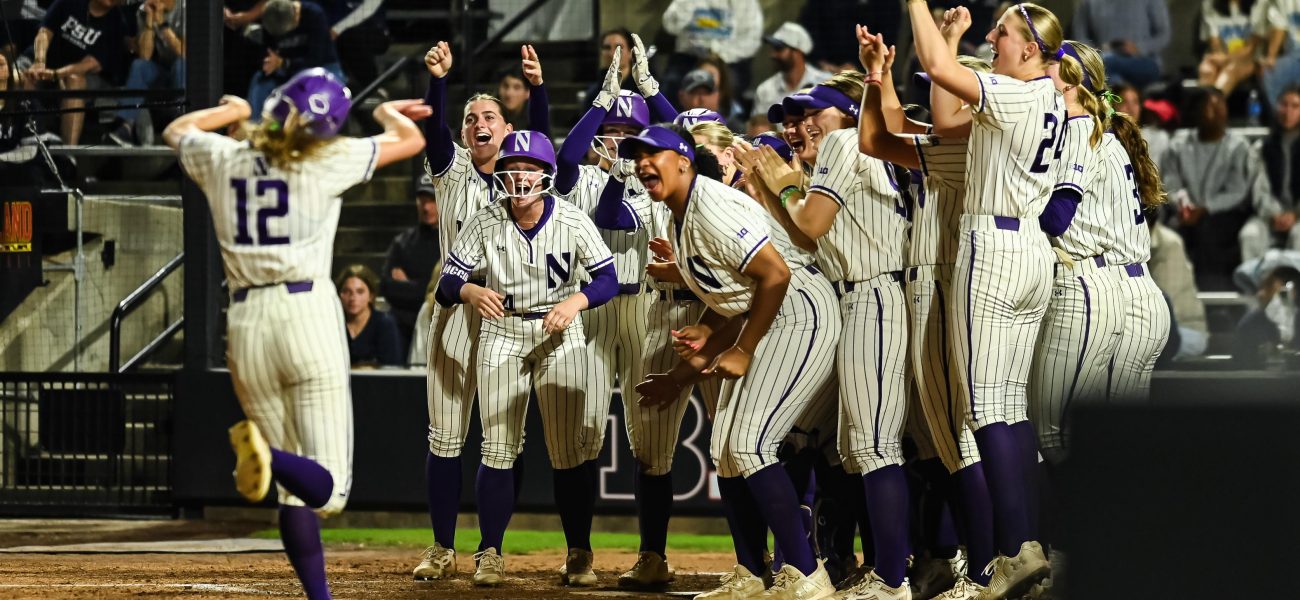
POLICY WIRE — Evanston, Illinois — Sometimes, the quiet thud of a dropped fly ball or a poorly executed throw on a Midwestern softball field can echo louder than any grand policy debate. It’s an unlikely arena, to be sure, for examining the brutal intersection of aspiration and outcome, but Northwestern University’s recent collegiate softball season offers a sobering case study. The Wildcats, with their substantial resources and storied academic pedigree, found their NCAA tournament hopes dashed—not by a single catastrophic misstep, but by a season-long tango with the demon of inconsistency, proving that even elite institutions aren’t immune to fundamental structural frailties.
Many expected more. But this wasn’t about a handful of unlucky games. It was the rhythm, the very cadence of their play, that betrayed them. The coaching staff (bless their hearts, they really tried) just couldn’t seem to forge a cohesive unit, capable of sustained, error-free performances. This became strikingly evident on the defensive side of the ball, where errant throws from the left side of the infield—often at critical moments, mind you—transformed routine plays into opposition rallies. We’re talking about plays that could’ve flipped momentum, instead handing opponents gratuitous opportunities.
Take their error tally, for instance. A stunning 70 errors throughout the season, according to university athletic department records (though an official statement wasn’t available at press time). That’s the worst in a decade, nudging just past their 2012 record. Imagine that—a team operating within the Big Ten Conference, considered one of the pinnacles of collegiate athletics, unable to consistently execute basic defensive plays. Nearly 70% of their 50 games featured at least one error. For a ‘bubble team’ (a term sports analysts toss around like a worn-out baseball), operating on razor-thin margins, that’s simply suicidal. It compounds quickly.
But the problem ran deeper than dropped balls. Even pitching, a perceived strength, frequently faltered. Freshmen phenom Marina Mason shone, no doubt, boasting a remarkable 73.44 Defensive Efficiency Ratio (DER) when she was in the circle—the team’s highest mark by a country mile. Yet, the drop-off to other pitchers was dramatic; the average plummeted the moment she wasn’t on the mound. It highlights a recurring issue in both athletic and institutional management: an over-reliance on singular talent, without sufficient systemic depth to withstand the inevitable grind of a full competitive cycle. One arm, however golden, can’t shoulder a whole season. It breaks.
“We’ve invested significantly in our athletic programs, not just financially, but in developing state-of-the-art facilities and recruitment pipelines,” said Dr. Evelyn Reed, Vice President for University Advancement, in a recent press conference addressing general athletic performance. Her tone was measured, betraying a careful balance between institutional pride — and fiscal realities. “What we’re observing in some programs isn’t a lack of talent or opportunity, but sometimes a collective struggle to synthesize those elements into consistent championship-level execution.” That’s a polite way of saying they’re trying to figure out why the gears aren’t meshing.
And it wasn’t just defense. Offensively, they hit .318 with runners on base—a good mark, certainly suggesting potential. They scored 319 runs, proving they could put the ball in play. But, yet again, consistency was the killer. Batters at the top of the order carried too much of the burden; if those leadoff players didn’t spark something, the whole inning often fizzled. With two outs, their batting average dipped to a anemic .258. That’s a stark indicator of an inability to manufacture runs when pressure mounted—the kind of clutch performance demanded from top-tier programs.
📄 POLICY WIRE WHITEPAPER PUBLISHED: PAKISTAN'S NATIONAL SECURITY POLICY PRIORITIES
👉 READ BY CLICKING HEREThis structural unevenness isn’t unique to American universities, of course. It’s a challenge echoed, perhaps with even higher stakes, in the developing athletic landscapes of places like Pakistan. There, burgeoning sports programs outside of cricket often struggle not just with limited funding, but with establishing the long-term, systemic consistency needed for global competitiveness. They too find that flashes of brilliance from individual athletes, or brief periods of success, cannot replace robust, consistent developmental infrastructure. The challenges are universal; the resources are anything but.
“We evaluate all our programs rigorously against their stated objectives,” an unnamed Big Ten Conference official commented, speaking strictly off the record, acknowledging the intensely competitive environment. “In collegiate sports, you’re not just competing on the field; you’re competing for mindshare, for resources, and ultimately, for legitimacy.” The message, unspoken but clear, is that an inability to deliver results, even in seemingly niche sports, casts a long shadow.
What This Means
Northwestern’s softball woes offer a subtle but potent lesson for policymakers and university administrators grappling with the burgeoning business of collegiate athletics. First, money alone isn’t a panacea. The vast sums poured into university sports—often debated regarding their proportionality to academic spending—don’t automatically translate into consistent success if fundamental issues of team cohesion, coaching strategy, and systemic resilience aren’t addressed. It raises questions about return on investment and the effectiveness of current administrative oversight models within athletic departments.
Secondly, it exposes the brutal reality of an ‘athlete-centric’ model that struggles when it needs a true ‘team-centric’ ethos. Policymakers should scrutinize whether the current competitive framework (and the attendant pressures on young athletes) prioritizes individual flashes over sustainable collective performance. This isn’t just about winning games; it’s about preparing young adults for real-world collaboration. From an economic perspective, institutions are effectively selling a promise of elite performance. When that promise isn’t consistently met, it risks eroding the brand and ultimately, the financial health of the athletic program itself, regardless of how strong the university’s academic reputation might be. This season became a painful lesson in organizational psychology, played out under fluorescent stadium lights, far away from any lecture hall.