


Alonso’s Austerity? Chelsea’s Transfer Reckoning Demands a Plan Beyond Billions
POLICY WIRE — London, UK — For a club that’s splashed north of £1 billion on new talent since mid-2022, Chelsea Football Club still often presents the on-pitch cohesion of a spontaneous street...

POLICY WIRE — London, UK — For a club that’s splashed north of £1 billion on new talent since mid-2022, Chelsea Football Club still often presents the on-pitch cohesion of a spontaneous street performance. But behind the glitzy expenditure, a quiet, almost radical, policy shift seems to be brewing at Stamford Bridge. It’s less about another extravagant shopping spree, — and more about, well, *purpose*.
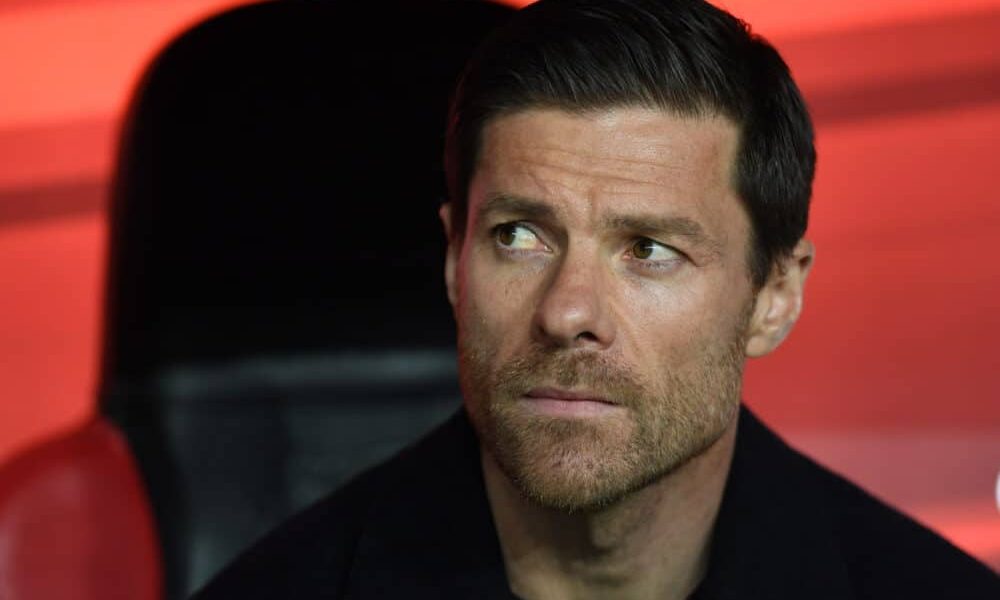
Because, frankly, the market correction had to come. Whispers, growing into full-blown roars, suggest that Xabi Alonso, a tactician whose reputation precedes him, isn’t just eyeing a new job; he’s bringing an entire new philosophy. And sources, notably amidst the frenetic European transfer speculation, indicate his demands are as precise as his passing once was: not just bodies, but building blocks. The Spaniard, reportedly slated to begin his reign July 1, 2026, on a four-year pact, has apparently already pencilled in three targets, a strategic blueprint intended to bring coherence to chaos.
It’s a stark contrast to Chelsea’s recent approach, one that prioritised acquiring ‘emerging talent’ often at dizzying premiums. “They’ve accumulated young players like a collector might amass rare stamps, without always considering if the set makes a coherent narrative,” noted one Premier League scout, who preferred to remain anonymous given the sensitivity of club politics. But now, it appears, the narrative itself is being dictated from the manager’s suite, not merely by data algorithms.
The headline-grabbing name is Victor Osimhen, the Napoli striker whose blend of primal aggression and penalty-box instinct would certainly address Chelsea’s perennial number nine conundrum. The club has cycled through various attacking profiles with varying degrees of futility; Osimhen, however, offers a raw, terrifying efficiency. He brings what one observer termed “chaos, aggression, penalty-box movement, and guaranteed fear factor”—ingredients that have been conspicuously absent from Chelsea’s occasionally timid attacking play.
Then there’s Mike Maignan, AC Milan’s experienced goalkeeper. He’s 30, commands his area, and his composure with the ball offers the kind of assuredness that can often make or break a team’s build-up play. No development punt here, but a seasoned hand, an immediate elevation of standards between the sticks. And in central defence, Ousmane Diomande of Sporting Lisbon is being eyed. His athleticism and comfort in possession align perfectly with a manager who values control, spacing, and a clean progression through the thirds. He’s got the youth, but also the demonstrable qualities, not just potential.
The shift is palpable. “European clubs are under immense pressure to rationalize spending,” explained a high-ranking UEFA official, speaking off the record on the continent’s evolving financial landscape. “The days of bottomless pits funding every whim are, if not over, certainly curtailed. Sustainability is no longer a suggestion; it’s an enforcement. Especially in light of tightening regulations, a structured approach to player acquisition becomes paramount, not optional.” Indeed, Chelsea, for instance, has reportedly shelled out north of £1 billion on new players since the new ownership took over in mid-2022, a figure recently highlighted by financial analytics firm ‘TransferAnalytics Global’. Such eye-watering figures can’t be justified indefinitely without corresponding performance or profit.
What This Means
This isn’t just about Chelsea; it’s a micro-snapshot of the evolving economic realities in elite European football. The unfettered spending, often fuelled by ownership capital injections, is increasingly meeting the brick wall of Financial Fair Play (FFP) regulations and a more mature transfer market. What Alonso represents isn’t merely a managerial upgrade, but potentially the vanguard of a new executive paradigm: one where the manager, armed with clear strategic objectives, is given authority over targeted, precise investment rather than just a budget to splurge. It suggests an acknowledgment that simply throwing money at a problem, without a coherent footballing philosophy, leads only to more expensive problems.
For regions like South Asia and the broader Muslim world, where football’s popularity continues to surge, Chelsea’s journey from free-spending giants to (potentially) disciplined strategists also carries weight. Fans from Lahore to Jakarta follow these European leagues religiously, absorbing the narratives of success — and failure. But they also understand resource allocation. The sheer fiscal muscle demonstrated by Western clubs sometimes seems otherworldly, a galaxy away from the struggle to develop local sports infrastructure or even fund basic social programs in nations where millions idolise players like Osimhen. This pragmatic pivot by a top-tier club like Chelsea could subtly reinforce the message that even at the highest echelons, long-term success demands more than just wealth; it demands shrewd management, a principle that resonates deeply in resource-conscious economies globally. This strategic recalibration, should it fully manifest, could offer a blueprint for fiscal responsibility, a much-needed course correction in an era often defined by conspicuous consumption in the global game.
Ultimately, these potential signings – Osimhen, Maignan, Diomande – wouldn’t just beef up Chelsea’s spine. They’d signify a seismic shift in thinking. A move from a scattered, aspirational recruitment model to one anchored in experience, tactical coherence, and a discernible strategy. It’s a return to fundamentals, if you will, but with a multi-million-pound price tag. A gamble? Always. But this time, it feels like a calculated one.