


The Echo of Cumbia: Albuquerque’s Fiesta Honors a Voice Silenced Too Soon
POLICY WIRE — ALBUQUERQUE, N.M. — The vibrant pulse of the San Felipe de Neri fiestas, usually a riot of color and sound, fell under a distinct shadow this year. A collective sigh, really. Because...

POLICY WIRE — ALBUQUERQUE, N.M. — The vibrant pulse of the San Felipe de Neri fiestas, usually a riot of color and sound, fell under a distinct shadow this year. A collective sigh, really. Because while the mariachis played on, and the aroma of roasted green chile clung to the crisp New Mexico air, the star they’d anticipated simply wasn’t there.
It wasn’t just a no-show; it was the deafening silence left by Al Hurricane Jr., the musical heir who’d planned to headline, only to pass away last month. A loss hitting the state, it’s gotta be said, right where its musical soul lives. You see, the man, an artist, gone too soon at 66, was more than just a performer; he was a living extension of a cultural dynasty, a link to the unique New Mexico sound that blends traditional Spanish influences with a distinctive rock and roll edge. [QUOTE_PLACEHOLDER]
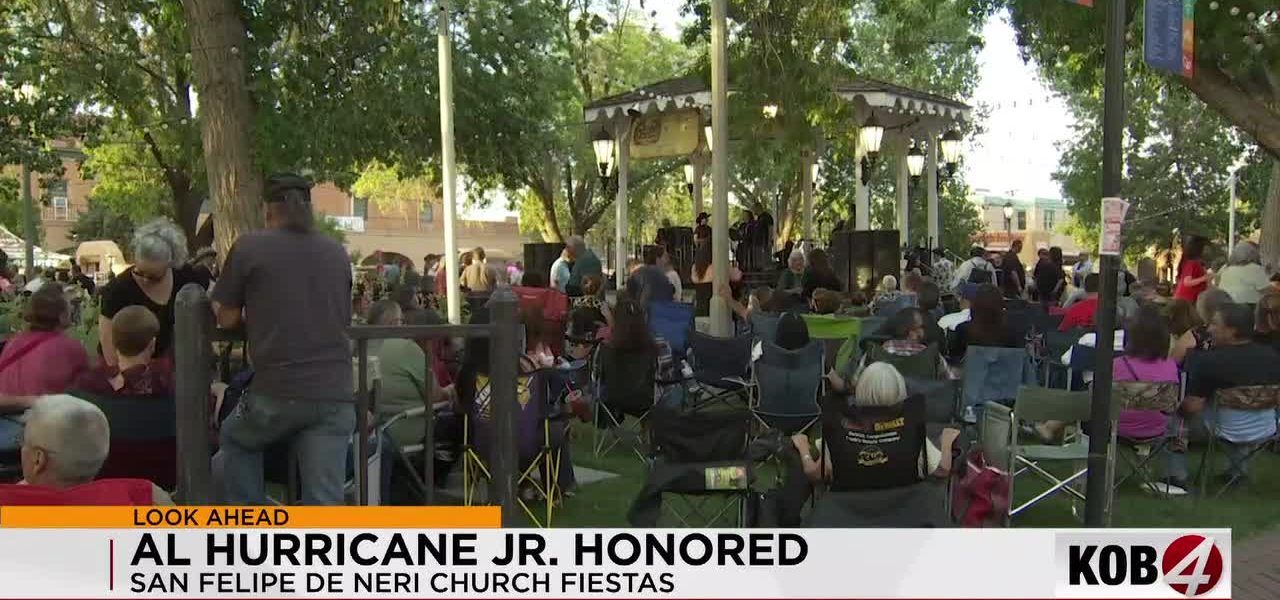
But the show, as they say, went on. Hundreds of New Mexicans gathered at the San Felipe de Neri church fiestas, where a tribute concert honored late musician Al Hurricane Jr. This wasn’t some somber, hushed remembrance; it was a defiant, New Mexican celebration of life through music, a community refusing to let a good beat die, even if its main architect had. They came out, a sea of faces, to sing along, to sway, to just remember. It’s a testament to the power of shared cultural experience.
And because this isn’t just about music, it’s also about a tight-knit family, the details of his final rites are already public. His family said his rosary will take place next Friday at 7 p.m. at Queen of Heaven Church on Claremont Avenue in northeast Albuquerque. His funeral Mass will follow at the same church the next day at 11 a.m. His family said they’re working on a way to livestream the services. In an era of instant global connection, that commitment to ensuring broader access to grief — a digital extension of community support—isn’t trivial. It speaks volumes about the communal bond the Huracanes have forged over generations.
It’s interesting, isn’t it, how death in some cultures spurs such overt public demonstration of faith and communal support? You’d see similar scenes playing out, albeit with different rituals, across the Muslim world. Consider the gatherings in Lahore or Karachi after the passing of a revered Sufi qawwali singer. Thousands would flock to shrines or public spaces, not just to mourn, but to immerse themselves in the music and teachings they left behind—a spiritual echo through the generations. Just as the Spanish cultural footprint here connects with centuries-old traditions, so too do the communal bonds in places like Pakistan honor their cultural heroes, often with musical tributes that transcend mere performance to become acts of collective remembrance. There, too, families ensure wide participation in last rites, often utilizing technology to reach those far from home.
These fiestas, then, are more than just an annual bash. They’re an annual reaffirmation. They’re a living archive of identity for a population fiercely proud of its heritage, navigating a modern world where local distinctiveness can feel increasingly under threat. In this case, it was the sound of a cultural titan passing, but also the rallying cry of a community unwilling to forget. For an artist to be mourned through dance and song, a vibrant and cacophonous farewell—it truly means something.
📄 POLICY WIRE WHITEPAPER PUBLISHED: PAKISTAN'S NATIONAL SECURITY POLICY PRIORITIES
👉 READ BY CLICKING HEREBecause ultimately, when we talk about a New Mexico music icon Al Hurricane Jr. passes away at 66, we’re not just lamenting a musician; we’re witnessing a communal re-calibration of identity. Music, you see, acts as the glue. Per the National Endowment for the Arts, roughly 50% of adults in the United States attended at least one live music event in the past year (source: NEA, 2017). Imagine the impact when that attendance pivots to collective mourning — and celebration.
What This Means
The outpouring for Al Hurricane Jr. at the San Felipe de Neri fiestas extends beyond simple celebrity remembrance; it’s a telling moment for regional cultural policy and the socio-economic underpinnings of community. Economically, these fiestas are revenue generators—think food vendors, artisans, local businesses that benefit from a major gathering. The consistent attendance, even for a posthumous tribute, hints at the robustness of cultural tourism and local spending that policymakers too often overlook.
Politically, the continuous veneration of figures like Al Hurricane Jr. showcases the enduring power of soft power — and cultural preservation. For an electorate deeply connected to its heritage, state and local governments ignoring such cultural anchors do so at their peril. Policies supporting local arts, traditional festivals, and historical sites aren’t just about culture; they’re about identity, community cohesion, and political capital. When these events falter, the social fabric starts to fray. That’s a political cost. In a rapidly diversifying state like New Mexico, reinforcing the established cultural touchstones offers a grounding force, preventing the feeling of cultural erasure and fostering a sense of shared belonging that transcends new demographics. It’s a tricky balance, but one New Mexico frequently navigates with unique aplomb.