


Gridiron Geopolitics: Alabama Talent Snub Highlights Shifting Power in College Sports
POLICY WIRE — Atlanta, United States — In a nation perpetually obsessed with rankings—be it GDP growth, electoral polling, or collegiate quarterback ratings—the latest commitment from Montgomery,...

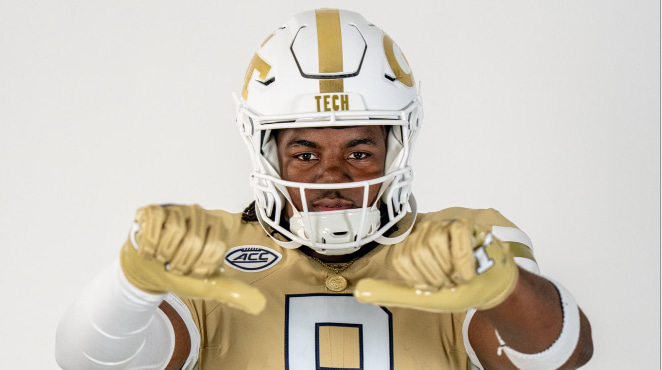
POLICY WIRE — Atlanta, United States — In a nation perpetually obsessed with rankings—be it GDP growth, electoral polling, or collegiate quarterback ratings—the latest commitment from Montgomery, Alabama, speaks volumes. Kalib Spivey, an edge rusher with the kind of disruptive energy scouts dream about, just gave his nod to Georgia Tech, pulling off what some folks in the college football sphere might call a quiet heist right from under the noses of perennial powerhouses. It’s not merely a signing; it’s a strategic maneuver, a subtle shift in a competitive landscape where every single prospect is an asset, meticulously courted and fought over.
Spivey, all 6-foot-1 — and 235 pounds of him, could’ve gone pretty much anywhere. Clemson, Duke, Maryland—they all wanted a piece. But the Yellow Jackets, under head honcho Brent Key, played a long game. They got in early, back when Spivey was just a sophomore. And they never really left him alone. You’ve got to admire the hustle. But it’s not just about persistence, is it? It’s about carving out a specific identity in a league where everyone’s chasing the same glittering prize.
Because, frankly, recruiting in college football these days feels less like traditional athlete scouting and more like high-stakes geopolitical wrangling. These coaches? They’re diplomats, strategists, — and persuaders all rolled into one. They aren’t just selling a scholarship; they’re peddling a vision, a future, a brotherhood. The competition isn’t confined to Saturdays on the field; it’s waged daily, through texts, calls, and campus visits that morph into elaborate charm offensives.
Coach Key himself, known for his no-nonsense approach, seems to get the deeper game at play. “We’re not just recruiting athletes here; we’re building a brotherhood, a legacy,” Key remarked recently, his voice undoubtedly carrying the weight of institutional ambition. “Kalib saw that, felt it. That’s why he’s one of ours now. You can’t put a price on that kind of conviction.” Well, actually, you can—it’s tied up in athletic department budgets, national television deals, and booster donations. The truth is often more complicated than the rhetoric.
The original blueprint had Spivey, who held over two dozen offers, on the radars of bigger programs—those entrenched in the very fabric of SEC territory. Yet, here he’s, choosing the burgeoning vision at Georgia Tech. What does that say? Perhaps it’s a testament to the relationship-building mastery of guys like outside linebackers coach Kyle Pope. Pope didn’t just talk football with Spivey; he apparently spoke life. It’s a softer touch in a brutal business. “My job ain’t just about X’s and O’s. It’s about life,” Coach Pope confided, a rare moment of introspection from a man usually buried in schematics. “When a kid trusts you with his future, you don’t take that lightly. And Kalib? He trusted us.”
But the calculus goes beyond personal bonds. Spivey liked the defensive scheme, the way they planned to use him: off the edge, sometimes inside, even at linebacker depth. It’s all about finding the right fit, the place where potential gets actualized. It’s an intricate dance between personal aspiration and institutional strategy, played out for all the world to see—or, at least, for everyone glued to recruiting forums and sports networks. And really, this hyper-specialization, this surgical approach to fitting a player into a specific role, reflects the intense professionalization of collegiate sports, morphing amateurs into de facto employees long before they earn a dime. It’s a gridiron gambit of significant proportions.
The passion displayed by American college sports fans, particularly those deeply invested in a particular program’s success, isn’t unique, however. Across the Muslim world, and specifically in nations like Pakistan, you’ll find similar fervent loyalties, though often directed toward national cricket teams or deeply held political ideologies. The raw emotion, the collective identity forged around a shared allegiance—it transcends borders and disciplines. What Spivey’s decision represents, in miniature, is that same fierce contest for identity and influence, just with slightly different stakes and far more corporate backing. According to a recent NCAA report, Division I Football Bowl Subdivision (FBS) programs collectively generate an estimated $14 billion annually, illustrating the high-stakes economic environment in which this talent acquisition occurs.
Because in the end, it’s not just about securing a good athlete. It’s about planting a flag. It’s about sending a message. And that message? It’s resonating beyond the locker room. They’re telling recruits that Georgia Tech is a place where you’re wanted, not just needed. It’s a subtle distinction, but in a world that often treats young athletes as disposable commodities, it clearly matters.
What This Means
Spivey’s commitment isn’t just a win for Georgia Tech’s defensive line; it’s a policy statement on the evolving nature of college football. For years, the recruiting landscape has been dominated by a handful of traditional powers. But Key and his staff are demonstrating that strategic, persistent, and genuinely relationship-focused recruiting can break through that hegemony—even in the heart of SEC country. Economically, these kinds of commitments carry weight, driving merchandise sales, boosting attendance, and, ultimately, impacting donor contributions. When a program consistently wins battles for high-caliber recruits, it creates a virtuous cycle of institutional interest and investment. It shifts brand perception, even drawing global attention—albeit indirectly. What happens in the Atlanta suburbs today can influence discussions in Dhaka tomorrow about the economic model of global sports. It means Georgia Tech is serious about its ‘program building,’ not just in terms of athletic talent, but in creating a self-sustaining competitive enterprise. This particular snag marks another feather in their cap, adding pressure to rivals to refine their own courtship strategies. And that, in a world driven by narratives, is how you start turning a corner.