


Albuquerque’s Trail Blazers: From Arroyos to Amenity, Who Benefits?
POLICY WIRE — Albuquerque, N.M. — While most cities grapple with budget deficits or sprawling crime stats, New Mexico’s largest metropolis has its gaze fixed squarely on a half-mile stretch of...

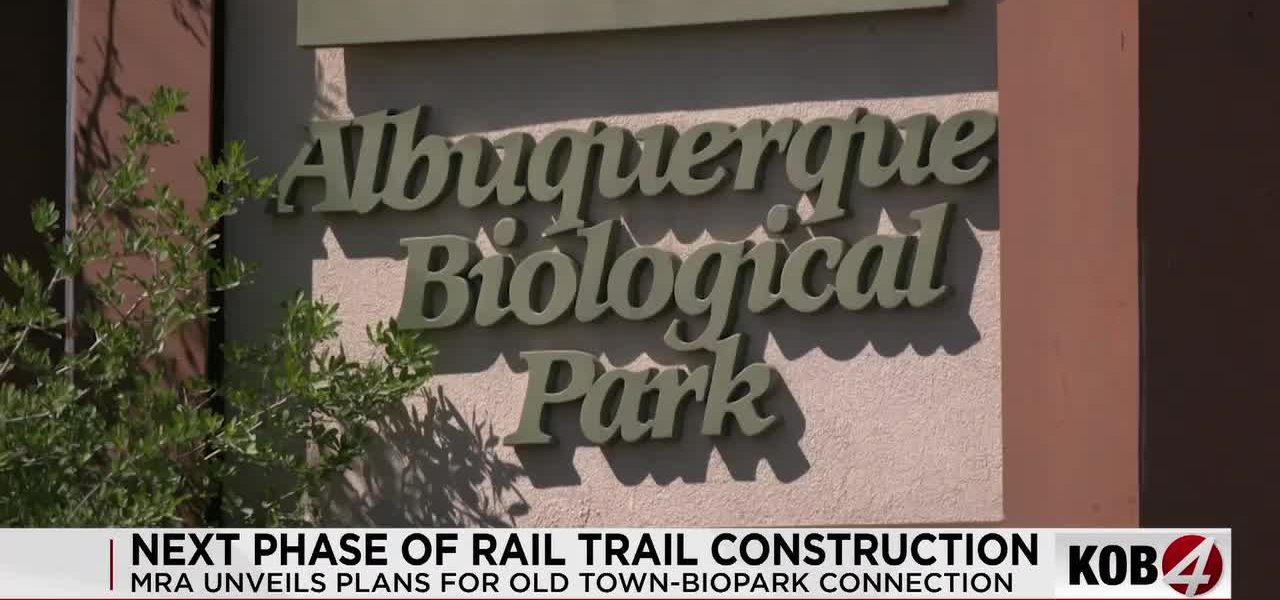
POLICY WIRE — Albuquerque, N.M. — While most cities grapple with budget deficits or sprawling crime stats, New Mexico’s largest metropolis has its gaze fixed squarely on a half-mile stretch of dirt and dreams. The Metropolitan Redevelopment Agency (MRA) recently unfurled its blueprints for the next phase of the Rail Trail, a municipal amenity promising to connect iconic Old Town to the Biopark. But beneath the shiny artist renderings and the earnest promises of ‘neighborhood uplift,’ there’s a much grittier calculation playing out.
It’s not just a path; it’s a statement. A statement, one might argue, on what priorities command taxpayer attention and dollars in a city always trying to square its historic past with a rapidly urbanizing present. We’re talking about a path that’s supposed to zip behind a residential block, skirt a drainage ditch (how picturesque, right?), and eventually kiss the existing Bosque Trail. It’s an odyssey, an almost spiritual quest for asphalt — and gravel.
“We’ve managed to snag a really prime piece of vacant land near Old Town that just brings this whole vision together,” MRA Director Terry Bruner chirped, sounding a lot like a conductor finally finding his missing symphony sheet. “People are going to see different things, I tell ya. One minute it’s a sidewalk-type feel near the Biopark, then you’re on existing streets, and then, boom, you’re hitting more of an outdoorsy, dirt, sandy trail over by Rio Grande.” It’s a choose-your-own-adventure of pedestrian infrastructure, seemingly.
This section isn’t just about leisurely strolls; it’s an economic gambit. The MRA received a tidy $1 million grant from the state’s Outdoor Recreation Division, plugging into an estimated total cost of somewhere between $2 million and $4 million for this particular half-mile endeavor. They’ve managed to open the first chunk of the trail already, near the Sawmill District last fall, but this next link – that’s the one Bruner is staking a lot on. He sees commercial growth, housing, entertainment, the whole shebang. They’re trying to inject some vibrancy, you know? Lift up those neighborhoods, they say. It’s an argument we’ve heard before, in cities everywhere. And it usually goes something like, ‘build it — and they will come… maybe.’
But building it isn’t always straightforward. It’s never as simple as laying down some pavement. There’s this nagging issue of routing the darn thing through Old Town itself, which is a labyrinth of historic preservation rules, private property lines, and opinions so old they probably predate statehood. They’re still scratching their heads over that one. And, like many urban planning puzzles around the globe, it becomes a delicate balance of progress versus preservation, often stalling the works.
📄 POLICY WIRE WHITEPAPER PUBLISHED: PAKISTAN'S NATIONAL SECURITY POLICY PRIORITIES
👉 READ BY CLICKING HERECity Councilwoman Loretta Salazar, a pragmatist with a deep knowledge of the city’s complex social fabric, wasn’t quite as effusive as Bruner. “It’s good to have amenities, absolutely. But we also have communities with very real, immediate needs—things like affordable housing and job training programs that directly impact quality of life for folks today, not just tomorrow’s tourists,” she observed dryly, underscoring a common refrain among council members trying to stretch every public dollar. “It’s always a question of balancing vision with the nitty-gritty of daily existence.” She’s got a point. What’s the true ROI beyond increased foot traffic for a few cafes?
And because these things move at their own pace, construction should kick off this summer, reportedly taking about six to eight months. They’ve already got an electric tumbleweed sculpture ready to crown the new Central crossing — a true local touch, assuming it doesn’t blow away. Bruner’s sights are already set further out: the section between Lomas and the rail yards is apparently the ‘next big thing.’ It’s an endless quest, this urban renewal business. A bit like trying to navigate the sprawling, unkempt green spaces or under-funded public parks in some rapidly developing South Asian cities, where grand designs often collide with on-the-ground realities and budgetary constraints.
What This Means
This Rail Trail extension, while seemingly a straightforward public works project, serves as a microcosm for Albuquerque’s larger economic development strategy. On one hand, it’s a clear play for increased tourism dollars and local economic activity, hoping to revitalize historic corridors. The $1 million grant is a relatively small chunk of the total, suggesting that local funds and bond initiatives will be critical—and perhaps controversial. For a municipality already navigating fiscal challenges, the promise of increased commercial growth is an enticing, if often nebulous, target. It’s betting on lifestyle appeal as an economic engine, hoping that attractive trails somehow translate directly into stronger local businesses and, crucially, tax revenues. This isn’t just about health and recreation; it’s a cold, hard calculation of future earnings, even if some of the assumptions are a bit squishy. But there’s a flip side: an overemphasis on amenity-based development can, and often does, divert resources from essential services, sometimes exacerbating inequalities within the city. For example, if cost overruns become an issue, it’s always easier to pull from less flashy areas. It’s a scenario not unfamiliar in Delhi’s own civic projects, where financial oversight—or lack thereof—can lead to multi-million dollar maladies. successful implementation requires precise logistical execution and robust public engagement, especially in heritage-rich areas like Old Town. Getting that right? It’s arguably more art than science.