


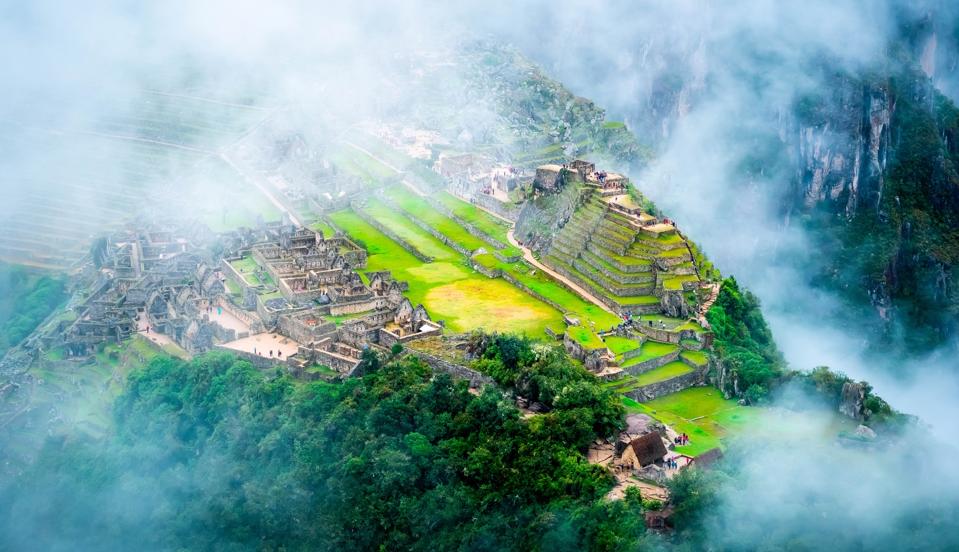
Machu Picchu’s Tough Love: The World’s Heritage Sites Grapple with Global Affection
POLICY WIRE — Cusco, Peru — The cost of being universally adored, it seems, is a slow, agonizing demise. Just ask any celebrity, or, increasingly, any world-renowned archaeological wonder. For...

POLICY WIRE — Cusco, Peru — The cost of being universally adored, it seems, is a slow, agonizing demise. Just ask any celebrity, or, increasingly, any world-renowned archaeological wonder. For decades, global heritage sites have struggled with the kind of crushing embrace only millions of eager visitors can deliver. Now, Peru’s iconic Machu Picchu, that ethereal cloud city of the Inca, isn’t just struggling; it’s pushing back.
It wasn’t a question of if, but when. Starting in 2026, the Peruvian government is implementing stringent new visitor caps and access protocols for the ancient citadel, signaling a sharp turn from tourist appeasement to hardline preservation. It’s a move many local businesses won’t love, but it’s one that conservationists insist has become grimly necessary.
For years, Machu Picchu has teetered on a tightrope, balancing an insatiable global appetite for its majesty against the delicate realities of its very existence. The sheer volume of foot traffic—erosion from thousands of boots, microclimatic shifts from collective exhalations, the insidious creep of modern infrastructure catering to crowds—it’s been slowly wearing down a marvel that defied empires for centuries. We just can’t seem to leave perfection well enough alone, can we?
“We’ve learned hard lessons,” explained Dr. Ricardo Sanchez, Peru’s Minister of Culture, in a recent policy briefing from Lima. “Our sacred places are not amusement parks. They’re fragile links to our past, — and if we don’t act now, we’ll lose them. The financial gains of unlimited tourism simply don’t stack up against irreversible degradation. It’s not a choice between tourism — and culture; it’s a choice between long-term sustainability and short-term profit. And we’ve chosen sustainability.” His tone suggested exasperation, as well it might.
The situation isn’t unique to the Andes. From Rome’s Colosseum to Cambodia’s Angkor Wat, governments are wrestling with the paradox of global fame. The Pakistani government, for instance, faces similar dilemmas with its own sprawling, ancient sites—think the mesmerizing ruins of Mohenjo-Daro or the Buddhist treasures of Gandhara. Maintaining historical integrity while drawing necessary revenue presents a recurring headache for any nation blessed, or perhaps cursed, with such extraordinary legacies. How do you welcome the world without letting it love your treasures to death? Pakistan’s cultural authorities often find themselves in the same bind, particularly as they seek to attract more global attention to their unique historical depth, requiring delicate handling.
This isn’t just about limiting tickets; it’s about fundamentally rethinking how humanity interacts with its most prized possessions. The previous model, born of optimism and unchecked economic ambition, essentially amounted to a free-for-all, albeit a regulated one. The new approach from Machu Picchu reflects a broader, more mature understanding of heritage management. In fact, a recent report from the United Nations World Tourism Organization (UNWTO) noted that 68% of major global heritage sites reported experiencing moderate to severe degradation directly attributable to overtourism between 2010 and 2020. That’s a stark figure, not just a casual observation.
But because these restrictions inevitably pinch pockets, not everyone’s thrilled. “Local businesses, the guides, the hotel owners, the craftspeople – they rely on those visitors,” argued Elena Vargas, president of the Cusco Tourism Chamber, her voice tight with worry. “Reducing numbers drastically without significant government support or alternative revenue streams isn’t preservation; it’s a recipe for economic collapse in the communities around the site. We need solutions that work for both the stones and the people, you know?” She makes a good point; it’s a hell of a bind. And finding that balance? It’s harder than it looks.
What This Means
The decision out of Machu Picchu carries far-reaching implications, stretching beyond the winding mountain paths of Peru. Economically, expect a short-term hit for local businesses that have, for years, leveraged proximity to the Inca citadel. Small enterprises, particularly, may struggle without immediate, direct subsidies or comprehensive retraining programs from Lima. Conversely, the long-term economic outlook for the site itself might improve if sustainability measures extend its life, eventually attracting a higher-value, more environmentally conscious tourist demographic.
Politically, this move sets a compelling precedent for other global heritage sites grappling with visitor numbers. It could empower authorities in places like Petra, the Egyptian pyramids, or even pilgrimage sites in the Muslim world to enforce tougher restrictions, potentially sparking localized political friction as economic interests clash with conservation imperatives. it places Peru on a higher pedestal regarding cultural stewardship, possibly enhancing its diplomatic soft power on issues of global heritage.
And for tourists? Well, prepare to plan far, far ahead. The days of spontaneous Machu Picchu treks are drawing to a close. This kind of planned scarcity often means higher prices and more competitive access, transforming a visit from a common adventure into a premium experience. But perhaps that’s what it will take to ensure our children’s children get to experience that magic too—assuming we don’t love it to bits first.
Because ultimately, these kinds of decisions aren’t just about protecting old stones. They’re about drawing a line in the sand—or the Inca masonry, in this case—and asking what kind of legacy we actually want to leave.