


Albuquerque’s Shifting Sands: Small Fire, Big Questions for a City on the Edge
POLICY WIRE — ALBUQUERQUE, N.M. — It’s Sunday. Five o’clock. A typical New Mexico sky might be painted in shades of a fading sunset, or perhaps an encroaching dust storm, but for three residents of...

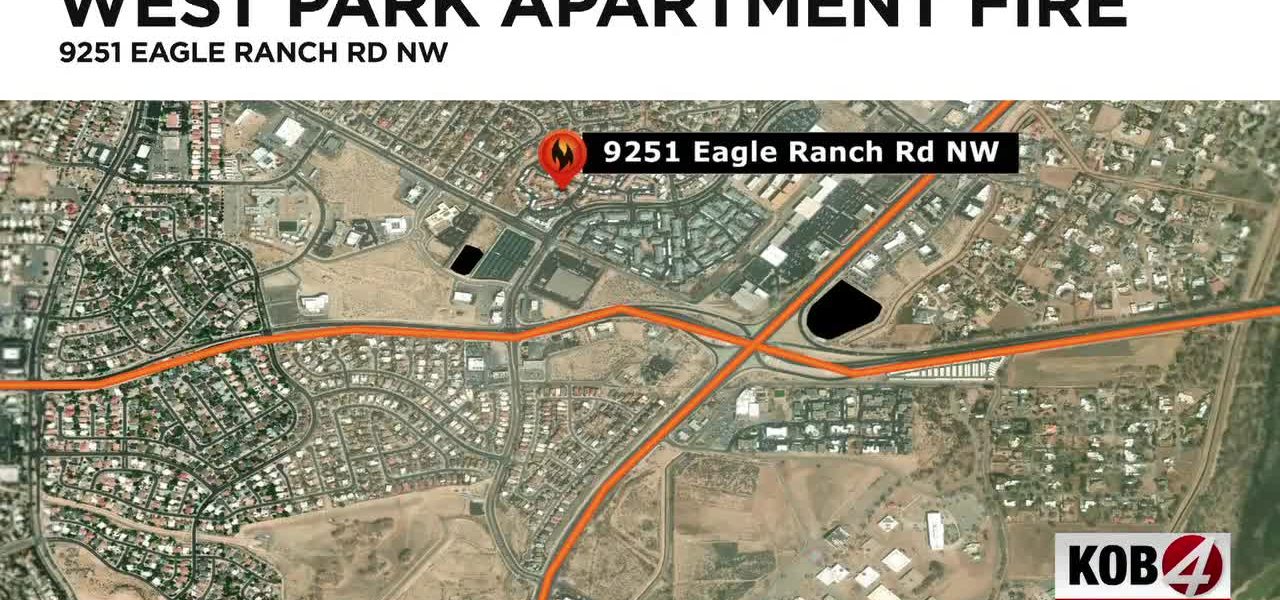
POLICY WIRE — ALBUQUERQUE, N.M. — It’s Sunday. Five o’clock. A typical New Mexico sky might be painted in shades of a fading sunset, or perhaps an encroaching dust storm, but for three residents of the West Park Apartments, the sky was about to fall indoors—in the most mundane, destructive way possible. Their evening, usually a quiet denouement to the week, became a blur of flashing lights — and dripping water.
But this isn’t just a story about a localized inconvenience. It’s another tremor in Albuquerque’s perpetually shaking housing landscape. A small fire, contained to a third-floor unit near Paseo del Norte and Coors Boulevard, became just one more data point in a broader narrative of instability, highlighting the thin margins on which many American households operate—even in places you wouldn’t expect it.
Albuquerque Fire Rescue, ever the efficient machine, got the flames under control. Fast. Because that’s what they do. Most of the fire damage? Confined to a single apartment. That sounds neat and tidy, doesn’t it? Except, two other apartments got a thorough soaking from the sprinkler system, transforming fire protection into an ironic, secondary destroyer of property. No one got hurt, which is, admittedly, something to be thankful for. But no one escaped entirely unscathed either. Not financially, certainly. Not emotionally.
These sorts of incidents—micro-disasters—rarely make national headlines. They’re too small, too localized, too… pedestrian. Yet, nationally, over 1.2 million people were displaced by housing emergencies, including fires, in 2022, according to the U.S. Census Bureau’s Household Pulse Survey. And Albuquerque, with its ongoing housing shortage — and stubbornly high eviction rates, feels these ripples acutely. It’s an inconvenient truth that stability is often just one faulty wire away from evaporating entirely.
City Councilor Elena Martinez, whose district includes the West Side, didn’t mince words. “Every displacement, no matter the scale, represents a failure in our collective safety nets,” she stated, her voice carrying the weight of innumerable constituent grievances. “We’re scrutinizing building codes, bolstering tenant protection initiatives, and working tirelessly to ensure our residents don’t fall through the cracks after events like this.” It’s a standard political line, yes, but beneath it’s a genuine, simmering frustration with the seemingly endless stream of housing woes the city faces.
And because these things always hit the most vulnerable hardest, local community leaders are often the first to pick up the pieces. Amara Khan, Director of the Southwest Interfaith Community Council, articulated the quiet desperation this fire illuminates. “Three people displaced might sound minor on paper, perhaps even an unfortunate blip. But it’s three lives uprooted,” Khan explained, her measured tone barely masking the weariness in her voice. “We see it too often—immigrant families, working-class folks—they’re often the first to feel the brunt, the last to find stable footing again. It’s a systemic issue, really, even when it manifests in something as ostensibly simple as an apartment fire.” She points to the broader picture: the struggle for affordable, safe housing in a city that’s constantly expanding, constantly changing. Just like cities across the globe.
📄 POLICY WIRE WHITEPAPER PUBLISHED: PAKISTAN'S NATIONAL SECURITY POLICY PRIORITIES
👉 READ BY CLICKING HEREIt’s a story echoed in crowded urban centers from Dhaka to Detroit. The precarity of home. That desperate grasp on stability. For many of the Muslim immigrant families Khan’s organization serves, some hailing from places like Pakistan or other parts of South Asia where conflict or economic hardship has already defined their relationship with home, such local disasters become stark reminders of deeper, more enduring vulnerabilities. The scale differs, of course. A fire in Albuquerque is not a war in Karachi. But the human experience of sudden, unexpected homelessness—that disorientation, that urgent need for shelter—it translates across all borders and all income brackets. It’s a shared language of loss.
So, Albuquerque Fire Rescue finishes its investigation. They’re still trying to figure out what sparked the flames. But for those three people, the ’cause’ almost feels secondary. What matters is the sudden chasm under their feet, the immediate loss of routine, comfort, and perhaps, every treasured possession. It’s an unwanted, expensive restart—a bureaucratic headache wrapped in personal tragedy. Another quiet casualty in the relentless battle for housing security.
What This Means
This incident, small in its immediate scope, functions as a magnifying glass for larger urban policy challenges. Politically, every displacement tests a city’s social safety net — and emergency response capabilities. Officials like Councilor Martinez aren’t just responding to a fire; they’re navigating public perception of city effectiveness, housing affordability, and community resilience. Economically, even minor incidents contribute to the strain on resources. Temporary housing assistance, property damage, increased insurance premiums—these costs ripple through the local economy. For residents, particularly those already living paycheck-to-paycheck, even a temporary loss of home can snowball into long-term financial distress, debt, and chronic instability.
The incident also highlights how deeply intertwined safety standards — and social equity are. An older building, possibly with outdated wiring or less robust fire prevention systems, is often where lower-income individuals and families find housing. When these fail, they pay the highest price. Because sometimes, the cheap option isn’t cheap at all in the long run. Albuquerque’s Quiet Erosion, a city grappling with rapid growth and stagnating wages, needs to prioritize robust housing policies that don’t just put roofs over heads, but genuinely secure those heads for the long haul. Without such strategies, these small flames will continue to burn holes in the city’s social fabric, leaving scars that run far deeper than any smoke damage.