

Ghost in the Machine: Ukraine’s Drone War Redefines NATO’s Operational Blueprint
POLICY WIRE — Kyiv, Ukraine — Forget the glossy infographics of air superiority. Forget the sprawling, fixed forward operating bases from conflicts past. Modern warfare, it turns out, is a grittier,...

POLICY WIRE — Kyiv, Ukraine — Forget the glossy infographics of air superiority. Forget the sprawling, fixed forward operating bases from conflicts past. Modern warfare, it turns out, is a grittier, more ephemeral beast than many strategists in starched uniforms had perhaps imagined. It’s about swarms in the sky, unseen eyes, — and the chilling imperative of constant motion. And it’s teaching the West a nasty lesson in real-time, one bloody square kilometer at a time.
For decades, NATO’s approach often leaned on technological supremacy and sophisticated, albeit centralized, command structures. Think fortified bunkers, secure comms hubs, and intelligence centers where brass could pore over maps and direct operations. The notion was simple: gather all your smart people, put them in one place, give ’em the best tech, and let them win the day. But Ukraine’s grinding conflict has blown a rather significant hole through that once-unshakeable doctrine, offering up a terrifying preview of what’s to come, and frankly, what’s already here.
The stark reality? Fixed positions are death traps. That much is clear. The skies above Ukraine, choked with reconnaissance — and strike drones, make a mockery of anything static. A commander’s war room, no matter how deep its concrete shell or sophisticated its air defenses, is just a target coordinate waiting to be confirmed. What was once deemed impenetrable can now be pinpointed with relative ease, then struck with chilling precision. They’re called suicide drones
for a reason, you know?
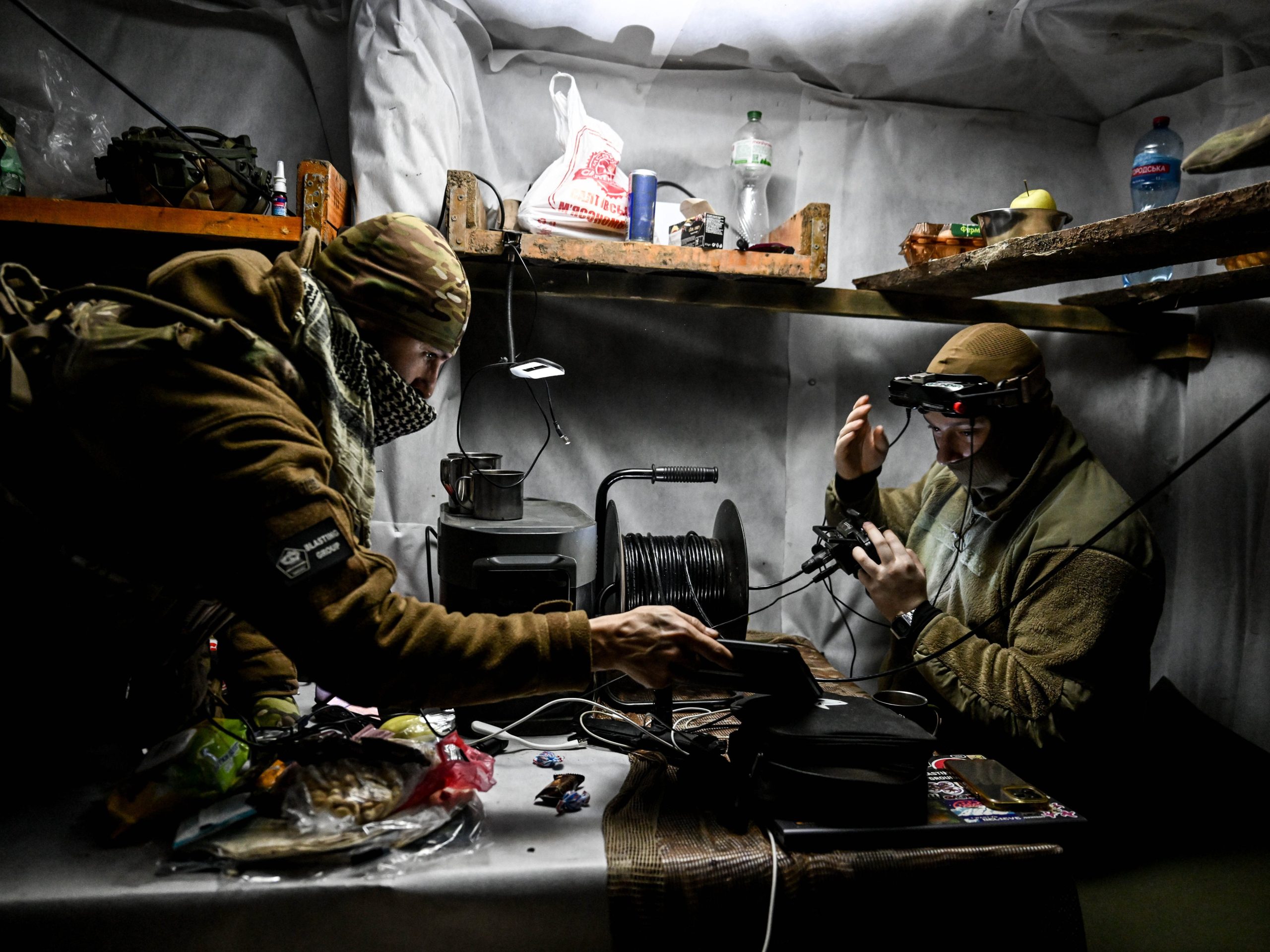
And because of this ubiquitous aerial threat, drone units themselves can’t just set up shop and dig in for the long haul. That’s a quick trip to oblivion. No, these aren’t your grandpa’s artillery crews. They’ve gotta be like nomads, always packing up, always on the move. They launch, they hit, and then they’re gone—a ballet of brutal efficiency designed to avoid the counter-battery fire that inevitably follows. This isn’t just about tactical flexibility; it’s about sheer survival in a kill-chain environment where reaction times are measured in minutes, not hours.
It’s creating a kind of technological chess game, played out over vast, often desolate landscapes. But it’s got significant implications far beyond Ukraine’s borders. The very nature of this conflict—cheap, widely available drone technology paired with sophisticated targeting—offers lessons for nearly every military force globally, from the smallest insurgent group to the largest standing armies. Take Pakistan, for instance, a nation long grappling with asymmetric threats and heavily invested in drone technology for border surveillance and counter-insurgency operations. The Ukrainian experience directly informs how Islamabad might think about defending its own forward positions or how it could leverage agile drone swarms in a rapidly evolving threat landscape. They’re watching, make no mistake.
This dynamic mandates a fundamental rethinking of logistics, communications, and — even more than command and control elements, but even the actual warfighter cells
—their positioning and operational cycles. According to a recent analysis by the Center for Strategic and International Studies (CSIS), an astonishing 85% of Ukrainian fixed command posts identified by Russian drones in 2023 were subsequently struck within 72 hours, demonstrating the acute vulnerability of static targets. That’s a staggering rate, signaling a need for drastic operational overhauls. So, you’ve got to burrow deep. Or, better yet, never stay put at all.
The upshot? NATO nations, traditionally accustomed to a certain level of battlefield dominance and often hesitant to shed their established playbooks, are now forced to confront a brutal paradigm shift. You simply can’t fight a 21st-century war with 20th-century assumptions. Old habits, those can get you killed,
[QUOTE_PLACEHOLDER]. It’s a rude awakening, but it’s happening, and the body count in Eastern Europe is serving as the most forceful, grim instructor imaginable.
What This Means
The tactical lessons from Ukraine transcend the battlefield, creating ripples of political — and economic consequence. For NATO members, the immediate financial implication is clear: a surge in defense spending focused on mobile platforms, distributed intelligence, and hardened, subterranean infrastructure. This isn’t just about upgrading old gear; it’s about retooling entire operational philosophies. Countries like Germany, France, and even the United States will have to invest billions in what can feel like a reactive catch-up, repositioning their vast military-industrial complexes towards speed, miniaturization, and resilience. And that means lucrative contracts for agile tech companies, sure, but also potential economic strain on national budgets already battling inflation.
Geopolitically, the shift underscores the continuing arms race in precision technologies, making any future large-scale conflict significantly more deadly for conventional forces. But it’s not just about what the big players do. Nations across South Asia, already navigating complex security challenges—some of them facing silent skies of a different, climatic nature—are absorbing these lessons, too. The spread of sophisticated drone capabilities, whether through indigenous development or procurement, empowers smaller states and non-state actors alike, complicating regional stability and deterrence strategies. It lowers the barrier to entry for highly destructive acts, increasing the likelihood of smaller, more frequent engagements, while simultaneously forcing a re-evaluation of defense priorities across the board. Every potential adversary is watching, meticulously noting the efficacy of mobility against the vulnerability of the stationary target. The war, quite literally, isn’t just in Ukraine; its blueprints are now global.