


Albuquerque’s NAMI Walk: More Than Steps, A Stand Against a Silent Epidemic
POLICY WIRE — Albuquerque, United States — Often, the most momentous battles aren’t fought on battlefields, but within the silent theater of the mind. And yet, the collective steps taken this...

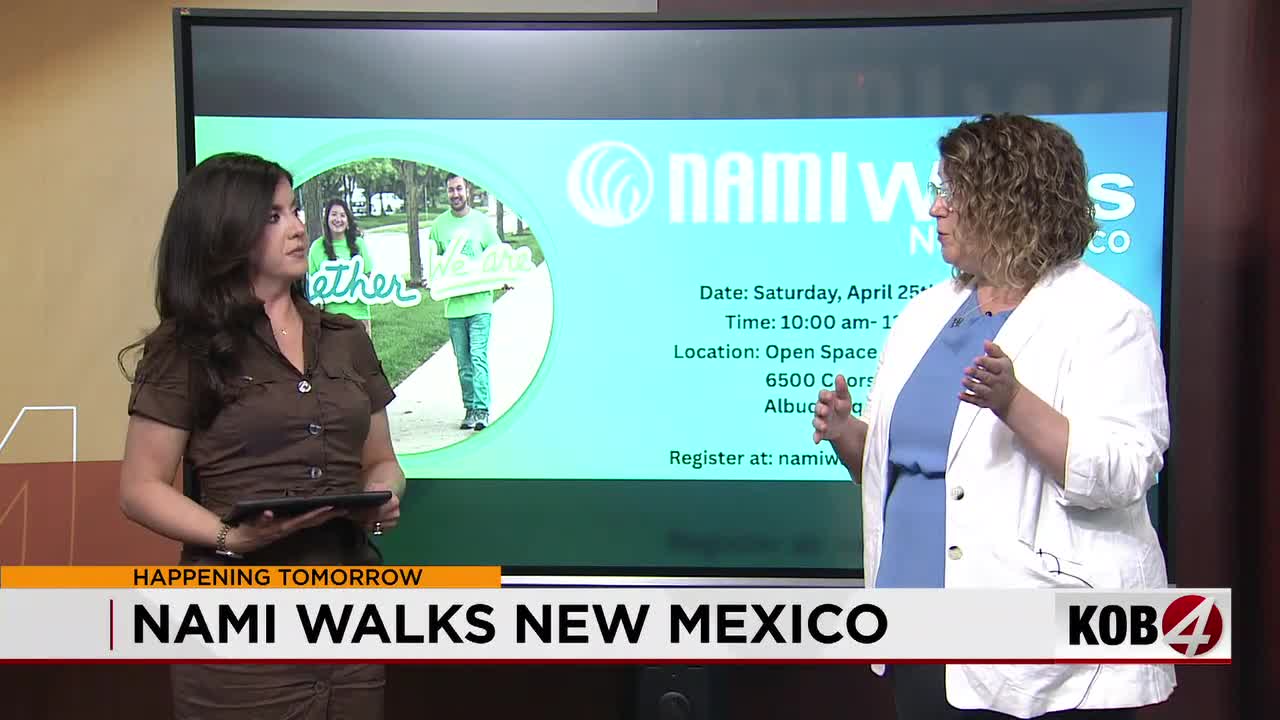
POLICY WIRE — Albuquerque, United States — Often, the most momentous battles aren’t fought on battlefields, but within the silent theater of the mind. And yet, the collective steps taken this Saturday at the Open Space Visitor Center in Albuquerque are poised to erupt with meaning.
For the National Alliance on Mental Illness (NAMI) New Mexico, their annual free fundraiser walk isn’t just about amassing resources; it’s about giving voice to those too long silenced by stigma and neglect. Make no mistake, this grassroots effort represents a crucial salient in a broader, global quagmire for mental well-being, one that resonates from New Mexico’s high desert to the bustling cities of South Asia.
Few community events carry such a gravitas of latent purpose. When participants gather, they’re not merely embarking on a 0.3-mile stroll along the breathtaking Bosque trails. They’re joining a movement, symbolizing solidarity with the millions wrestling with mental health challenges. A crucial step.
“We’re not just walking for funds; we’re walking for recognition, for dialogue, and for the simple truth that mental health is health,” underscored Gabrielle Dietrich, Executive Director of NAMI New Mexico. “Every step taken here Saturday helps chip away at the isolation so many feel. It’s free to attend, free to register, because access to support shouldn’t come with a price tag.”
And that matters, especially in a landscape where mental health resources are woefully inadequate. The numbers don’t lie: according to the National Institute of Mental Health (NIMH), nearly one in five U.S. adults lives with a mental illness, a figure that spotlights the sheer scale of the challenge. Events like NAMIWalks furnish crucial visibility, pushing these often-invisible struggles into the public consciousness.
Still, the walk’s tangible benefits extend beyond awareness. NAMI New Mexico’s local affiliates channel the energy and contributions into pivotal free support groups, educational programs, and indispensable navigation services, helping individuals connect with resources across the state. They’re building a safety net, one community at a time.
Not everyone understands the critical need for such community-led initiatives — initiatives, one might observe, that often fly under the radar until a personal crisis hits — but their impact is undeniable. The organizers, far from merely orchestrating a brief stroll, have planned a morning brimming with more than just exercise; food trucks and kids’ activities aim to foster a festive, inclusive atmosphere, subtly reinforcing the idea that mental health advocacy isn’t some niche pursuit but a community-wide endeavor, a tapestry woven with shared concern. Who wouldn’t want that?
A Global Echo: Universal Struggles, Local Solutions
Behind the headlines of local events, a universal narrative unspools. Mental health stigma isn’t unique to American shores; it’s a stubborn hydra mirroring challenges faced worldwide, from Europe to the Muslim-majority nations of South Asia. Consider Pakistan, for instance, where cultural factors and underdeveloped healthcare infrastructure often mean mental health conditions go undiagnosed and untreated.
In fact, while contexts differ wildly, the primordial human need for connection and support in mental health ordeals remains constant. What can a walk in Albuquerque teach us about, say, Karachi?
“While the socio-economic and cultural contexts differ immensely, the core principles of community support and stigma reduction championed by organizations like NAMI offer valuable blueprints,” articulated Dr. Ayesha Sultan, a prominent psychiatrist — and mental health advocate based in Islamabad, Pakistan. “We too are striving to normalize conversations around mental illness, to build local support networks, and to push for greater government investment in psychological well-being. These grassroots movements are the bedrock of any sustainable change.”
This perspective amplifies a shared global mandate. Whether it’s the Bosque or the bustling streets of Lahore, the effort to provide accessible, empathetic mental health care is a continuous uphill climb.
Related: Pakistan Steps Forward as a Steady Voice for Peace in a Time of Crisis
What This Means
The NAMIWalks event, while localized, acts as a powerful microcosm of larger societal shifts. It’s a clear signal that mental health can no longer be consigned to the shadows; it demands public engagement and policy prioritization. And let’s be frank, economically, untreated mental illness doesn’t just cost nations billions in lost productivity and healthcare expenditures — that’s a given, isn’t it? — but politically, a failure to address mental health needs can quite literally destabilize communities, impacting everything from public safety to educational outcomes, truly a societal Achilles’ heel.
these walks are formidable vehicles for advocacy. They exert formidable leverage on lawmakers to increase funding for mental health services, expand insurance coverage, and integrate mental healthcare more fully into primary care systems. They remind us that policy isn’t just made in committee rooms; it’s shaped by the collective will of ordinary citizens demanding better.
This isn’t just about charity; it’s about civic duty — and reclaiming public spaces for public good. That’s the ticket.
Back in Albuquerque, check-in for the walk begins at 10 a.m., with opening ceremonies at 10:45 a.m., and the walk itself kicking off at 11 a.m. Attendees can register online in advance or, hey, just sign up upon arrival. So simple, isn’t it? People gathering, moving forward, together.
The path ahead for comprehensive mental health support, both domestically and internationally, persists as a winding, intricate journey. But as Dr. Sultan aptly puts it, “The future of mental health hinges on our collective ability to sustain these community-led initiatives, foster open dialogue, and translate empathy into tangible policy. Without consistent, visible advocacy, the progress we’ve made is fragile.” That’s a forward-looking conclusion we’d all do well to heed.
Related: Beyond the Bosque: Albuquerque’s NAMI Walk Confronts a Global Mental Health Crisis