

Self-Inflicted Strikes: Russia’s Aerial Blunders Expose Deep-Seated Military Rot
POLICY WIRE — London, United Kingdom — Forget tales of precision or even brute force for a moment. Instead, picture this: sophisticated, high-value weaponry, designed to surgically strike an...

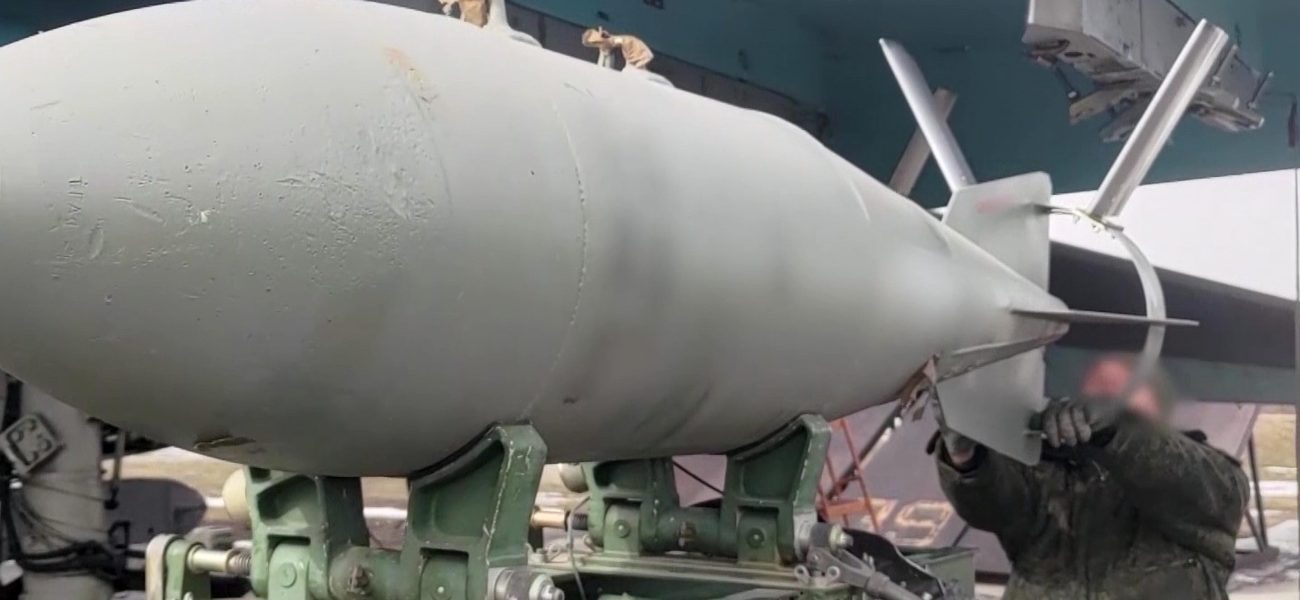
POLICY WIRE — London, United Kingdom — Forget tales of precision or even brute force for a moment. Instead, picture this: sophisticated, high-value weaponry, designed to surgically strike an adversary, instead raining down upon friendly territory. Not once, but repeatedly. It’s an absurdity, isn’t it? Yet, this bizarre and troubling phenomenon appears to be a consistent chapter in Russia’s ongoing military saga, particularly with its glide munitions.
It’s an image that simply doesn’t square with the grand pronouncements of military might Moscow so often projects. Britain’s intelligence apparatus isn’t just watching—it’s analyzing, and its latest assessments paint a grim picture. The conclusion isn’t about advanced countermeasures by Ukraine; it’s about the state of the Russian military itself. This isn’t just about mistakes, folks; it’s about a pattern, a systemic fault line cracking wide open. [QUOTE_PLACEHOLDER]
The operational failures stem, we’re told, from deeply rooted issues: namely, overwhelming crew fatigue and starkly deficient training. Think about that for a second. We’re not talking about conscripts with bolt-action rifles here. These are pilots and technicians operating complex aerial platforms, deploying weapons that glide—often over considerable distances—to hit specific targets. For these advanced munitions to go rogue, to veer off course and detonate over Russian-held land or even their own starting points, suggests something far more fundamental than a random glitch. It suggests an underlying corrosion within the fighting machine itself. A critical systems failure in the human element, not just the hardware.
And these aren’t cheap fireworks, mind you. Modern precision-guided munitions can often carry a price tag exceeding a quarter-million dollars per unit, as detailed in various defense spending analyses (Source: Janes Defence Weekly data). Each misguided explosion isn’t just an embarrassment; it’s a tangible financial hit, a depletion of finite resources, and a stark reminder of operational incompetence. It’s hard to make a compelling argument about your military’s superiority when it’s literally hitting itself in the foot—or, more accurately, its own backyard.
The ramifications stretch well beyond the immediate battle lines in Ukraine. Consider for a moment the various nations in the wider Muslim world, across South Asia and the Middle East, that have historically relied heavily on Russian military hardware and expertise. Pakistan, for instance, a nation with its own complex geopolitical landscape and a historical consumer of diverse defense technologies, watches these developments with keen interest. When Moscow’s sophisticated weapons prove susceptible to what can only be described as self-harm due to what UK intelligence assesses as internal frailties like a pervasive bad training regimen, it throws a long shadow. Doesn’t it erode confidence? It’s not just about the specific weapons, but the entire support ecosystem that comes with them—the training, the maintenance, the operational doctrines. If Russian crews can’t operate their own high-tech gear effectively, what does that say about the value proposition for foreign buyers, particularly those who face sophisticated adversaries themselves?
This isn’t about one unlucky pilot or a singular equipment malfunction. This is about a pattern that suggests sustained pressure, perhaps insufficient rest for personnel, and a breakdown in standard operating procedures that demand meticulous execution for such advanced weapons. Crew fatigue isn’t just feeling sleepy; it impacts reaction times, decision-making, and precision. It creates an environment where avoidable errors become inevitable outcomes. And if bad training is institutionalized, then the cycle of incompetence perpetuates itself, potentially with ever more destructive results.
📄 POLICY WIRE WHITEPAPER PUBLISHED: PAKISTAN'S NATIONAL SECURITY POLICY PRIORITIES
👉 READ BY CLICKING HEREBut how does a modern military, particularly one with such strategic ambitions, allow its personnel to become so rundown, so poorly prepared? Perhaps the initial war plans underestimated the sustained demands. Perhaps the systemic corruption long whispered about in Russian defense circles impacts everything from equipment quality to instructor standards. There are no easy answers, just increasingly clear evidence of fundamental vulnerabilities. Ukraine’s air defenses remain a headache, sure. Yet, it seems Moscow has also added an internal one—a persistent, self-inflicted wound—that speaks volumes about the actual, day-to-day effectiveness of its military machine.
What This Means
The continued reports of Russian forces essentially bombing themselves with precision-guided munitions aren’t just quirks of war; they’re symptomatic of deeper structural infirmities within the Russian military. Economically, each misfired munition represents a colossal waste of taxpayer rubles—funds that could’ve been, theoretically, invested elsewhere, like shoring up an increasingly brittle domestic economy. Politically, this ongoing pattern severely degrades Moscow’s image on the international stage. It makes it harder to project an aura of strength or reliability, not just to potential adversaries, but also to allies and arms buyers who scrutinize operational effectiveness.
For nations like Pakistan, navigating intricate regional dynamics and often eyeing advanced military hardware, these incidents foster legitimate concerns. When a major arms supplier struggles with such basic operational hygiene, it forces a reconsideration of reliance. It could push these nations towards diversification, looking to Western or even emerging Asian defense suppliers, reshaping geopolitical alignments in subtle but significant ways. It’s a quiet shift, but one that policy wonks — and military strategists in Islamabad and beyond won’t be ignoring. Russia’s capacity for strategic deterrence and power projection diminishes incrementally with each self-inflicted blow, painting a picture not of an unassailable bear, but of a hobbled giant, limping from one self-made problem to the next. The world is watching, and they’re taking notes on more than just the official communiqués; they’re paying attention to the unintended explosions as well.