


A Phone Call Echoes in the Palestinian Political Void
POLICY WIRE — Ramallah, Palestine — Forged in decades of struggle, the Palestinian political landscape, let’s be frank, it’s often looked less like a unified movement and more like a collection...

POLICY WIRE — Ramallah, Palestine — Forged in decades of struggle, the Palestinian political landscape, let’s be frank, it’s often looked less like a unified movement and more like a collection of perpetually shifting sand dunes. So, when word broke—quietly, initially—that Dr. Nabil Shaath, newly at the helm of the National Congress for a New Palestine (NCAG), had rung President Mahmoud Abbas, folks paid attention. This wasn’t just a courtesy call; it was a whisper of potential, a tentative reach across what’s often felt like an unbridgeable chasm of mistrust and diverging agendas. It begs the question: are we seeing a genuine, if halting, lurch towards some semblance of unity, or just another polite but ultimately futile gesture in a history brimming with them?
Shaath, a long-time Fatah loyalist with a CV longer than a Gaza winter, stepping into a role aimed at reforming the Palestine Liberation Organization (PLO) – and, let’s be honest, often seen as a shadow assembly – chatting with the man still technically guiding the Palestinian Authority. It’s symbolic, if nothing else. It certainly stirred the political pot, which had been, to put it mildly, rather stagnant. For years now, the Palestinian national project, particularly under the Fatah-led PA, has been plagued by a perceived lack of democratic mandate, internal divisions, and a crippling inability to forge a coherent strategy with Hamas and other factions.
“The Palestinian people, frankly, they’ve been waiting for too long,” Shaath reportedly said in a subsequent conversation, reflecting on his new mandate and the call. “We can’t afford fragmented voices anymore. Unity isn’t a luxury; it’s the very foundation of our struggle, the only way forward against relentless oppression. We must project a single, credible message to the world, otherwise, they’ll always exploit our differences. We’re well past the point of internal squabbles; the stakes are just too high.” He’s got a point. And what a point it’s.
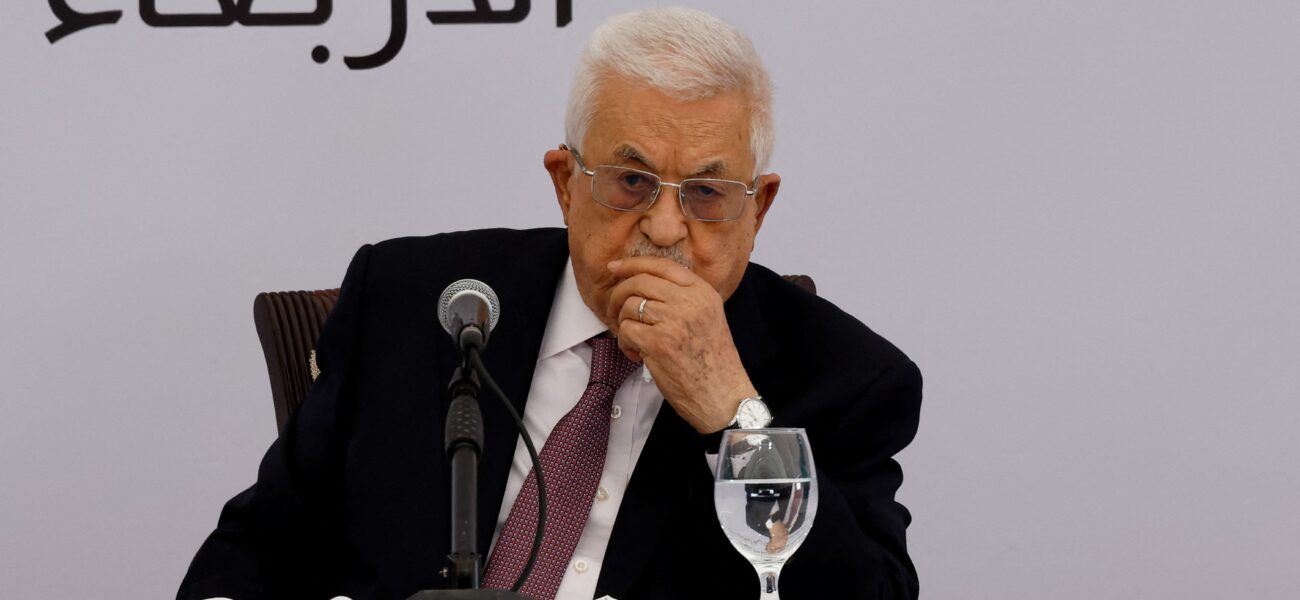
Abbas, ever the statesman of the beleaguered authority, didn’t shy away from confirming the discussion. “We welcome dialogue, always,” Abbas’s office stated, providing a rather measured assessment to Policy Wire, typical of his often-cautious public stance. “But any step toward genuine progress, it’s got to happen through established channels, under international law. There’s a proper way to build a future, — and we won’t stray from that course for fleeting gestures. Legitimacy matters. Stability matters more.” It’s a statement that, frankly, tells you a lot about his priorities: maintaining the PA’s perceived authority and adherence to existing international frameworks, even if those frameworks haven’t exactly delivered liberation.
This subtle, behind-the-scenes communication isn’t just a Palestine-specific curio, either. The wider Muslim world, from Cairo to Kuala Lumpur, has watched the Palestinian plight for decades, often feeling a mix of sympathy and frustration over its leadership’s perceived fragmentation. Countries like Pakistan, for instance, have historically championed Palestinian rights on international platforms. Their diplomatic muscle, though, sometimes feels diluted when the message coming from Palestinian leaders themselves isn’t entirely unified. You see it too in the Organisation of Islamic Cooperation (OIC) debates, where a strong, singular Palestinian voice would likely amplify support for their cause, not just symbolically, but for concrete actions on the global stage.
But does this brief moment of connection mean anything tangible? Only time, as they say, will tell. We’ve certainly seen these flirtations before. Historically, unity attempts have routinely dissolved under the weight of internal rivalries, foreign interference, and disagreements over negotiating strategies with Israel. Some observers are, quite rightly, skeptical. For them, it’s just a rearranging of deck chairs on a Titanic already headed for an iceberg. Yet, the persistent pressure from ordinary Palestinians, weary of occupation — and leadership deadlock, remains. A staggering 67% of Palestinians believe internal divisions are their primary challenge, according to a recent Pew Research Center survey, demonstrating a populace desperate for cohesion.
📄 POLICY WIRE WHITEPAPER PUBLISHED: PAKISTAN'S NATIONAL SECURITY POLICY PRIORITIES
👉 READ BY CLICKING HEREAnd let’s not forget the international stage. It seems less — and less inclined to put its full weight behind a fractured entity. Shaath’s new role within NCAG positions him to advocate for a broader restructuring of Palestinian institutions – a Herculean task, even for someone of his experience. It’s going to be a long haul.
What This Means
This telephone call, initially an almost academic footnote, is much more than mere pleasantries; it’s a barometer for the internal weather patterns of the Palestinian leadership. Politically, it signals a quiet acknowledgement, from the very top, that the established structures—the Palestinian Authority itself—are under intense pressure. There’s a palpable need to mend fences, to consolidate a legitimacy that’s eroded over time, and to counter accusations of an unrepresentative leadership.
Economically, persistent political fragmentation has direct, brutal consequences. Donor fatigue, a reluctance from international bodies to invest heavily without stable, unified governance, has choked the Palestinian economy. A unified political front, however tenuous, might just re-open some of those spigots of aid and investment—something desperately needed in a region with sky-high unemployment rates, particularly amongst its youth. It certainly won’t solve the core issues of occupation or self-determination, but it’s a necessary first step towards projecting the stability and credibility that international partners crave. The alternative, well, it’s more of the same, just louder. And frankly, who wants that? Especially now, with so much instability, across a world already buckling under tension.