


Gold Dust and Despair: Venezuela’s Riches Held Hostage Amidst Quake Catastrophe
POLICY WIRE — Caracas, Venezuela — Here’s the grim arithmetic: thousands dead, a nation cracking at its foundations, and its very own wealth – tonnes of it, mind you – locked up abroad....

POLICY WIRE — Caracas, Venezuela — Here’s the grim arithmetic: thousands dead, a nation cracking at its foundations, and its very own wealth – tonnes of it, mind you – locked up abroad. Venezuela, a land once swimming in oil money, now finds itself a supplicant, pleading for its assets back to salve the wounds of a brutal earthquake. It’s a dark comedy of geopolitics, where sovereignty wars with sheer survival, and ordinary folks are stuck in the middle. Talk about a raw deal, right?
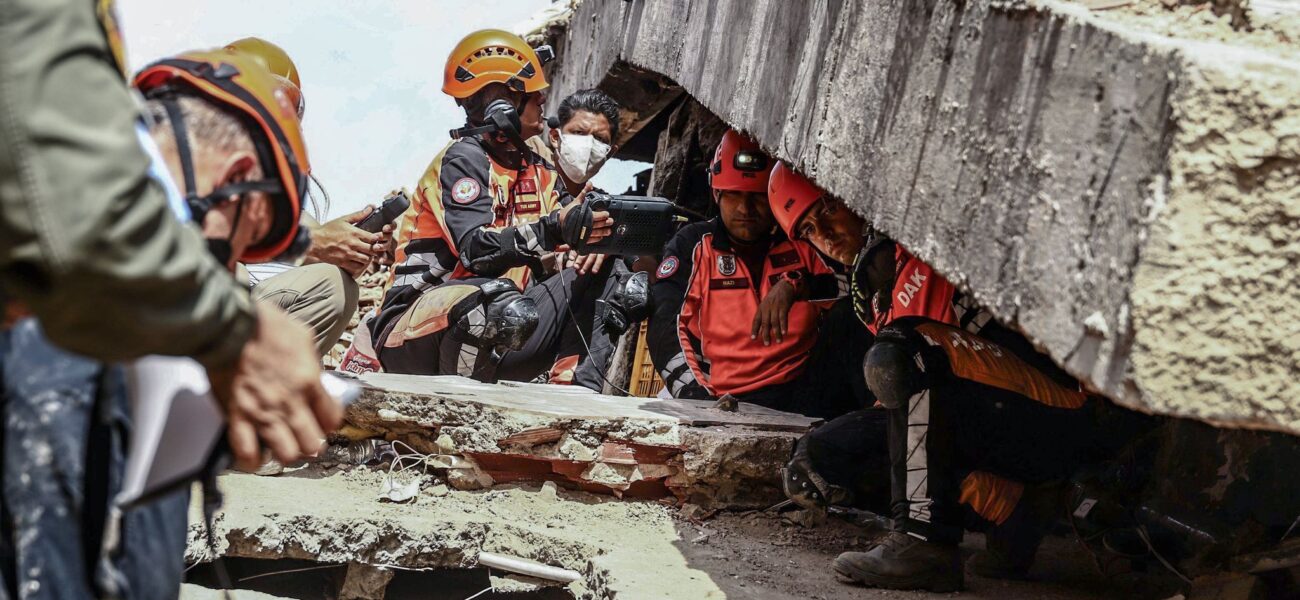
The earthquake itself was just another blow, a calamitous natural disaster piled atop years of economic mismanagement and international sanctions. Reports indicate the death toll now pushes past 4,000, according to Venezuela’s Civil Defense unit. But even with the earth literally moving, the country can’t get its hands on billions in frozen assets – more than 30 tons of gold held by the Bank of England – or a significant chunk of change from the International Monetary Fund.
It’s all tied up, predictably, in a knotted mess of international recognition. Washington and its allies recognize opposition leader Juan Guaidó as the country’s legitimate interim president, a view not shared by President Nicolás Maduro’s government, nor, more importantly for practical purposes, by the powers controlling the gold vault. So, while rubble piles up — and families mourn, the legal and diplomatic wrangling continues. You just can’t make this stuff up.
“Our people are dying! They’re hungry, they’re homeless, and yet the same powers that claim to care about democracy play games with our nation’s gold,” fumed President Nicolás Maduro in a recent broadcast. “This isn’t about politics anymore; it’s about humanity. Give us back what’s ours so we can bury our dead — and rebuild. It’s that simple. But they won’t, will they? They prefer to see us suffer.” He’s got a point. You feel a familiar, exasperated echo of similar sentiments from other nations battling external financial blockades.
The request to the IMF, initially for emergency financing, hits a similar brick wall. The IMF’s rules are explicit: no recognition, no money. It’s a bureaucratic dance on the graves of thousands. “Our hearts go out to the Venezuelan people, truly they do. But the International Monetary Fund operates under clear statutes requiring legitimate governmental representation for any financial disbursement,” explained a stern-faced Geoffrey Thorne, a senior IMF communications officer, in an exclusive chat with Policy Wire. “And then, of course, there are the necessary transparency — and governance reforms that any large package would require. It’s not a free pass.” So, sympathy, sure. But not enough to budge the ledger.
This situation, an embattled government struggling to access funds amidst a humanitarian crisis, isn’t unfamiliar territory for many nations. Think of Pakistan’s protracted, often painful, negotiations with the IMF, for instance. Or even the various sanctions regimes imposed on other Muslim-majority nations over the years, leaving their economies sputtering, economic engines sputtering under the weight of political disputes. It’s a common thread in global power dynamics: financial leverage used as a tool, or weapon, of foreign policy, often with devastating consequences for civilians.
📄 POLICY WIRE WHITEPAPER PUBLISHED: PAKISTAN'S NATIONAL SECURITY POLICY PRIORITIES
👉 READ BY CLICKING HEREVenezuela’s crisis is particularly bitter. Here’s a nation sitting on the world’s largest proven oil reserves, and it can’t feed its citizens or save them from an earthquake because its money is held captive in an international standoff. And because of the economic collapse, a good portion of what *could* be traded is tied to the market’s wild ride, rather than secure, internationally accessible accounts. It’s a mess of epic proportions, and frankly, it doesn’t look like anyone’s got an easy way out, least of all the Venezuelans themselves.
What This Means
This whole situation illuminates a rather ugly truth about international relations — and aid. First, humanitarian concerns, though often cited, consistently take a backseat to geopolitical maneuvering and state recognition. The political elite—on all sides, frankly—are perfectly content to let the populace suffer if it advances their strategic objectives or holds a rival regime to account. There’s a cynical calculus at play. Second, the episode lays bare the limits of multilateral institutions like the IMF when faced with deep-seated political disputes. Their rules, designed for stability, become handcuffs in crises where the basic premise of who’s in charge is contested. And finally, for developing nations, it’s a stark reminder: diversifying foreign reserves and strengthening independent financial institutions isn’t just good economics; it’s a matter of national security when global powers decide to play hardball. Because when the chips are down, your own gold can become just another piece in someone else’s high-stakes game.