

A Near Miss or Calculated Provocation? Black Sea’s Skyward Chess Match Escalates
POLICY WIRE — London, United Kingdom — The autopilot, a steady, unfaltering digital hand guiding a surveillance aircraft through hostile skies, simply cut out. That’s what British defense...

POLICY WIRE — London, United Kingdom — The autopilot, a steady, unfaltering digital hand guiding a surveillance aircraft through hostile skies, simply cut out. That’s what British defense sources are whispering about a particularly harrowing incident involving a Royal Air Force RC-135 Rivet Joint operating near Russia’s orbit over the Black Sea. It wasn’t some mechanical hiccup, mind you; British officials now contend Russian fighter jets—performing what they term ‘unsafe’ and ‘unprofessional’ intercepts—effectively knocked the plane offline. A sharp escalation, wouldn’t you say?
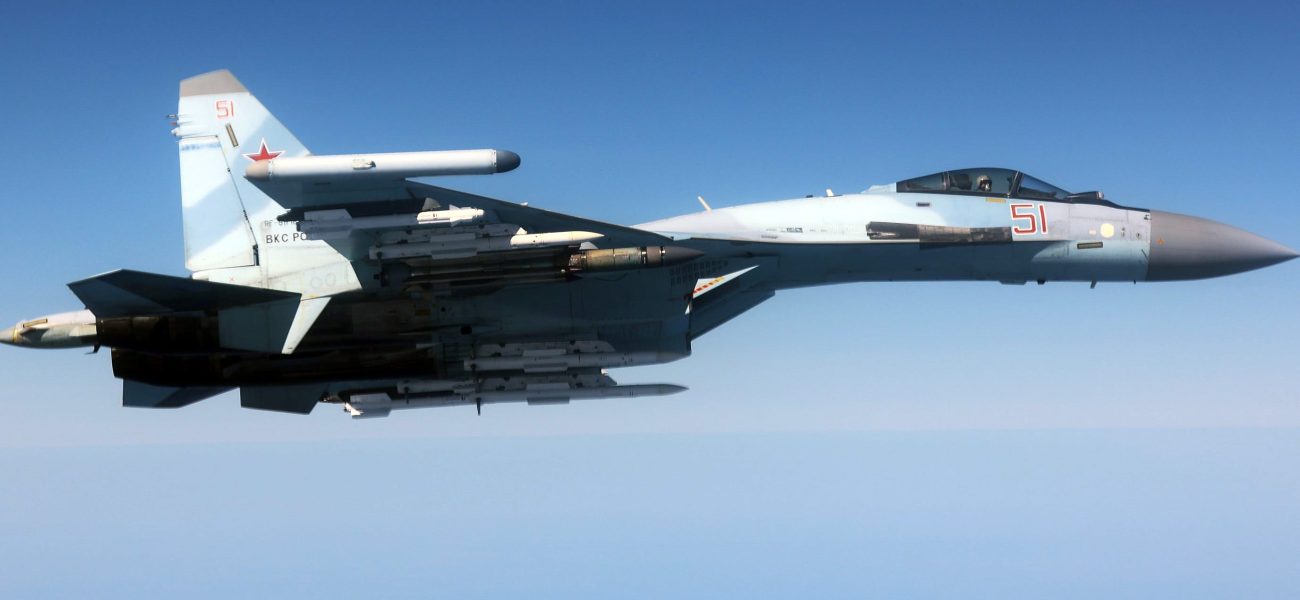
For decades, this dangerous aerial ballet has been a fixture of Cold War-era global power plays. One side probes, the other intercepts. But these aren’t your grandpa’s high-altitude sparring matches. We’re talking about near-collisions, sophisticated electronic warfare, and a burgeoning disregard for conventional safety. Britain’s Ministry of Defence now states, unequivocally, that during a routine reconnaissance flight, Russian SU-27 fighters flew so close that their maneuvers, likely combined with electronic countermeasures, momentarily disabled the Rivet Joint’s auto-pilot system. It took human intervention—quick, nerve-wracking action—to regain control of the multi-million-dollar machine and the lives aboard.
It’s a chilling detail that pulls back the curtain on the quiet but dangerous war of nerves being waged daily in international airspace. Russian Foreign Ministry spokesperson Maria Zakharova, however, shrugged off British concerns in a curt statement from Moscow. “Western surveillance platforms continually trespass on our security perimeters,” she’d said, in remarks echoing earlier denials. “When they play games so close to our borders, they can hardly feign surprise at the reaction. We uphold our sovereign responsibilities. Perhaps London should check the flight paths of its aircraft rather than attempting to paint Russia as the aggressor in these encounters.” Always a blame-shift, isn’t it?
Defence Secretary Ben Wallace didn’t mince words back in London. “This incident, frankly, goes beyond mere harassment. It’s a grave dereliction of international air safety standards and a wholly reckless act that could have cost lives,” he thundered, reflecting deep-seated frustration. “Our aircraft are conducting lawful surveillance in international airspace. To respond with such blatant endangerment—it’s simply not what responsible air forces do. We’ve lodged a strong protest, but one has to wonder: how many close calls before someone truly pays the ultimate price?”
But this isn’t an isolated event. Oh no. The skies over the Black Sea, the Baltic, and even stretches of the Pacific have become open-air arenas for a high-stakes geopolitical game of chicken. In 2022 alone, NATO recorded nearly 300 instances of Russian aircraft operating without flight plans or transponders in international airspace, often triggering alliance scrambles. This latest incident, however, represents a particularly brazen qualitative shift. Disabling an aircraft’s autopilot in mid-air—that’s not just a close fly-by. That’s messing with fundamental control systems, an aggressive display that feels more like an act of electronic sabotage than a warning.
Because, make no mistake, every flight is a strategic chess piece. These RC-135s aren’t just taking pretty pictures; they’re sucking up signals intelligence, radar frequencies, communications chatter—the raw data that gives NATO an edge in understanding Russian capabilities and intentions. So when Russia retaliates with this kind of maneuver, it’s a message: *we see you, we know what you’re doing, and we’re willing to play dirty to disrupt it*.
And these European aerial confrontations don’t happen in a vacuum. This sort of high-stakes maneuvering influences — it contaminates, really — the diplomatic and military ecosystems globally. Consider the simmering tensions across other, equally fraught, theaters—like the long-contested airspace borders along the eastern fringes of Ukraine, or even the perpetually contested skies that Pakistan shares with its neighbors. While the specifics differ dramatically, the underlying principle of powerful nations asserting dominance, pushing boundaries, and leveraging technology for intimidation resonates. It sets a dangerous precedent. Countries in South Asia and the broader Muslim world, navigating their own complex security landscapes, observe these patterns. They understand that such incidents, while geographically distant, feed into a larger narrative of global power dynamics—and the potential erosion of norms that protect everyone, even smaller players, from outright coercion. They’re watching how Washington, London, — and Moscow play this game, and what concessions (or escalations) are allowed.
What This Means
This episode serves as a chilling reminder of how thin the margin for error has become in Europe’s volatile East-West dynamic. Politically, it deepens the distrust between NATO and Moscow, eroding what little goodwill or shared understanding remained. It bolsters the argument for increased defense spending — and heightened readiness within the Alliance. Economically, prolonged instability and heightened military posturing—which this absolutely qualifies as—can deter foreign investment and disrupt shipping routes, though the immediate economic fallout from a single airborne incident is usually contained. Operationally, it likely means more sophisticated escort missions for intelligence flights, potentially involving stealth assets or dedicated electronic warfare escorts. For the average citizen, it’s a jarring illustration of just how close the world remains to an unintentional spark igniting something truly terrible. They’re testing limits, those pilots, and it’s anyone’s guess when a miscalculation will flip a dangerous incident into a full-blown crisis. It’s not a matter of if, but when, really. This isn’t just about an autopilot, you see; it’s about the ever-fragile peace, a thread stretched thinner with every calculated act of aggression in the skies.