

A Desert’s Cruel Hope: New Mexico Grasps at a Whispering Rain Chance Amidst Arid Realities
POLICY WIRE — Albuquerque, N.M. — For residents of New Mexico, the desert’s vast, unyielding canvas often paints a stark portrait of enduring scarcity. Today, a mere 10% probability of a...

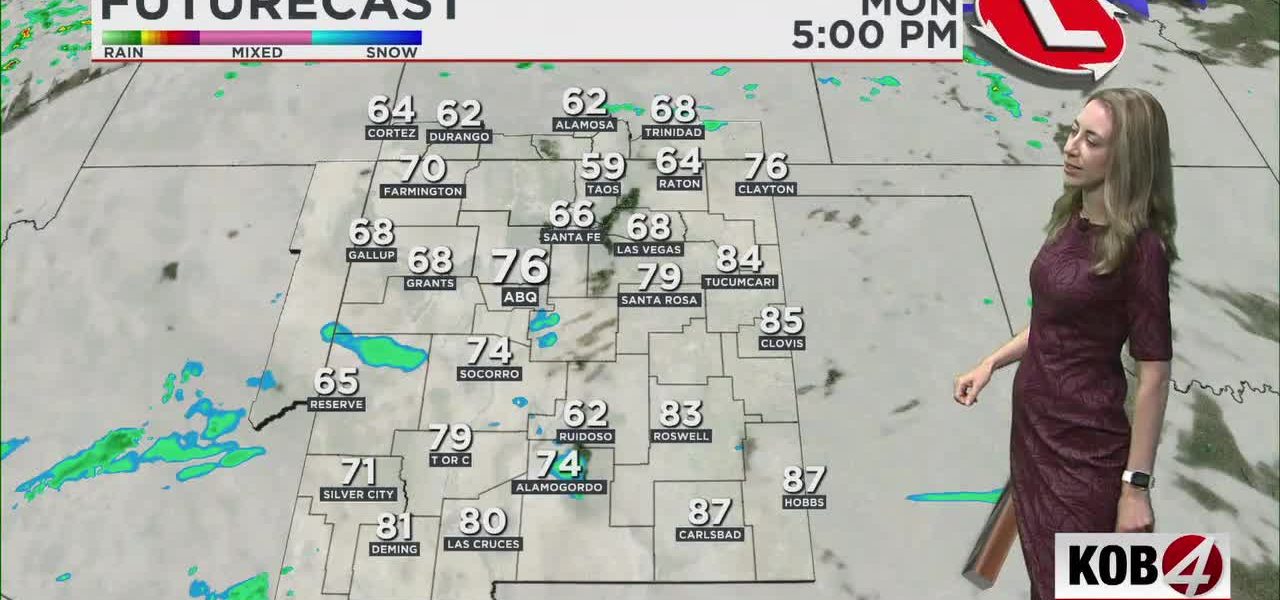
POLICY WIRE — Albuquerque, N.M. — For residents of New Mexico, the desert’s vast, unyielding canvas often paints a stark portrait of enduring scarcity. Today, a mere 10% probability of a stray shower — a meteorological whisper, really — hung over Albuquerque, an almost cruel tease in a state perpetually thirsting. It isn’t a forecast that promises much, but in this parched land, even the most ephemeral hope can feel like a lifeline, however fragile.
The National Weather Service (NWS) has characterized Monday as ‘mostly quiet’ for the Land of Enchantment, reserving slightly better odds for the Sandia Mountains and eastern reaches. Still, any precipitation amounts are anticipated to be negligible — hardly a deluge, certainly no panacea for the generational drought gripping the region. Breezy conditions, those familiar harbingers of desiccation, will soon return, gusting up to 40 mph, particularly along the eastern slopes of the Sangre de Cristo. It’s a familiar rhythm here: a flicker of moisture, then the relentless push of wind, accelerating evaporation, deepening the arid grip.
“We’ve been living on borrowed time, or perhaps just borrowed water, for decades now,” opined Marisol Chavez, Director of New Mexico’s Environmental Protection Division, during a recent briefing on state water conservation efforts. “A 10% chance isn’t a solution; it’s a prayer — a very, very small one. Our focus has to remain on long-term resilience, because Mother Nature isn’t cutting us any slack.” Chavez underscored the perilous balance between urban growth, agricultural demands, and diminishing water resources, a calculus that grows more brutal with each dry season.
The immediate fire danger, mercifully, remains low for some 99% of the state, largely thanks to last week’s brief, albeit insufficient, moisture. But don’t mistake that reprieve for a definitive all-clear. Clovis — and its immediate environs face a low, yet elevated, risk, a stark reminder of the ever-present threat. And we’re not talking about small brush fires; we’re referring to the kind of catastrophic blazes that have scarred New Mexico’s landscapes and communities in recent years, devastating millions of acres and displacing thousands.
Behind the headlines of paltry rain chances, the deeper narrative is one of a land teetering on the precipice of chronic water stress — a condition increasingly familiar across global arid zones. The state, for its part, is bracing for a more substantial Pacific storm system due within 24 hours, promising “decent rain and snow chances” from Tuesday into Wednesday. But even this approaching system, welcome as it’s, won’t alleviate the systemic issues, the deep-seated vulnerabilities that define existence in this unforgiving climate.
📄 POLICY WIRE WHITEPAPER PUBLISHED: PAKISTAN'S NATIONAL SECURITY POLICY PRIORITIES
👉 READ BY CLICKING HERE“Our reliance on the ephemeral means we’re constantly in crisis mode,” lamented Robert Manygoats, a tribal elder from the Navajo Nation, whose community has endured profound water shortages for generations. “We see the news about a few drops coming, — and there’s a collective sigh, but we know it isn’t enough. It’s a Band-Aid when we need an entirely new irrigation system for the whole body, for the whole land.” Manygoats’ words carry the weight of ancestral knowledge, echoing the frustrations of countless communities reliant on precarious water sources. In fact, a recent report by the New Mexico Office of the State Engineer indicates that over 75% of New Mexico has experienced severe to extreme drought conditions for at least six of the past ten years, a sobering statistic from a governmental source that underscores the persistent challenge.
It’s a global phenomenon, isn’t it? This dance with environmental precarity. Far across the globe, nations like Pakistan grapple with similar, though often far more acute, hydrological crises. Pakistan, a country heavily reliant on glacial meltwater and monsoon rains, frequently experiences devastating floods alongside prolonged droughts, both exacerbated by rapidly changing global climate patterns. Its agricultural sector, the backbone of its economy, faces immense pressures from water scarcity, leading to food insecurity and displacement. So, New Mexico’s struggle, while localized, serves as a microcosm of larger, planet-wide existential threats — a testament to how profoundly climate change reshapes human geopolitics and daily life, from the American Southwest to the Indus River Basin.
What This Means
At its core, this low-probability weather event isn’t just about precipitation; it’s a critical barometer for policy decisions across New Mexico. The ongoing drought necessitates intensified water conservation mandates, potentially impacting everything from residential landscaping to industrial operations and, most consequentially, agriculture. Economically, meager rainfall jeopardizes crop yields — think pecans, chiles, and alfalfa — driving up food prices and straining rural economies already under duress. Politically, water rights become an even fiercer battleground, pitting urban centers against rural communities, and state agencies against tribal nations, all vying for a diminishing resource. Federal intervention, in the form of disaster aid or infrastructure funding for drought resilience, becomes a more pressing and frequent demand. The psychological toll, though less quantifiable, is also salient; persistent scarcity breeds anxiety and shapes community planning, or the lack thereof, for generations. It’s a harsh reminder that for many, climate isn’t just a topic for scientific journals — it’s the daily, existential struggle for survival and prosperity.