
The Kremlin’s Fissures: Are Whispers of Chaos Mere Dissent, or a Harbinger?
POLICY WIRE — Moscow, Russia — The Kremlin machine, that carefully cultivated image of monolithic control, appears to be sputtering. Not in a catastrophic explosion, mind you, but in the kind of...

POLICY WIRE — Moscow, Russia — The Kremlin machine, that carefully cultivated image of monolithic control, appears to be sputtering. Not in a catastrophic explosion, mind you, but in the kind of quiet, internal shudder that sends seasoned observers scrambling for their dictionaries, wondering if ‘stability’ is still the operative word. For two decades, Vladimir Putin has been the iron fist, but now, a prominent voice from Russia’s beleaguered opposition insists the country is hurtling toward an abyss, guided by the very man who promised order.
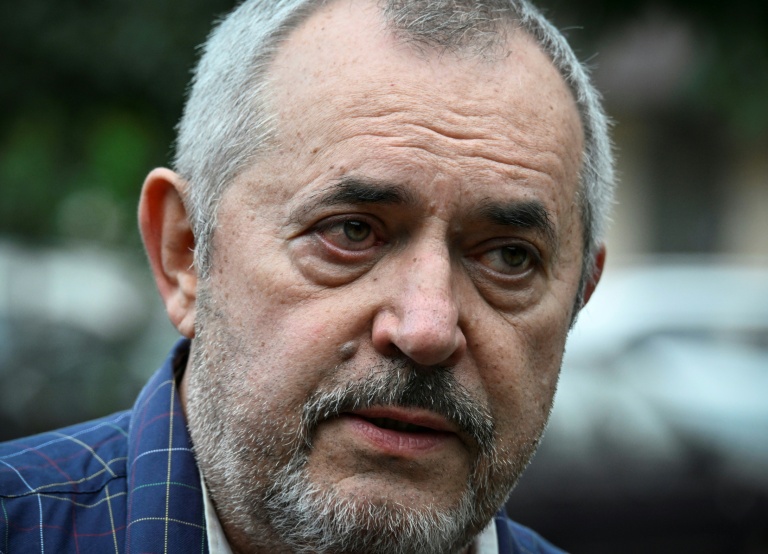
It’s an inconvenient truth, this idea that the grand architect of Russia’s resurgence could be its undoing. Most folks (and definitely the state media) wouldn’t breathe a word of it. But then you have figures like former State Duma deputy and political analyst, Mikhail Lebedev—now living in what he calls ‘unwilling exile’—who isn’t pulling any punches. “Putin isn’t just leading us,” Lebedev told Policy Wire via an encrypted channel, his voice tight with a peculiar blend of weariness and defiance. “He’s dragging Russia toward an internal collapse, a kind of institutional chaos that will make the 1990s look like a quiet picnic. He’s alienated generations, drained our future for a past that never was.”
Harsh words. But they’re echoed, albeit in hushed tones, across expatriate communities and, some suggest, even within certain Moscow circles. This isn’t the familiar, organized opposition clamor; it’s a deeper current, born from the prolonged military misadventure in Ukraine and the creeping paralysis of a state increasingly focused on self-preservation rather than citizen welfare. Remember, the International Monetary Fund projected that Russia’s GDP growth would hit 3.2% in 2024, confounding early Western predictions of collapse. Yet, ask any average Russian struggling with dwindling purchasing power and shrinking personal freedoms, and they might tell you that growth feels suspiciously like regression.
But the official line, as expected, paints a different picture entirely. Dmitry Peskov, the Kremlin’s ever-present mouthpiece, recently dismissed such commentary as “desperate wailing from those who’ve long lost touch with our national interests.” And you know, you can almost hear him saying it—that dry, dismissive tone. “Our path is clear. Our unity is unbreakable,” he declared during a briefing. “Any suggestion of chaos is propaganda from hostile actors. They wish Russia ill, but they underestimate the resilience of our people and the wisdom of our leadership.” It’s a performance we’ve seen before. Many times.
This internal friction, whether acknowledged or denied, isn’t confined to Russia’s borders. And because the global economy’s an interconnected mess these days, the ripples spread. Think about the energy markets, for instance. Russia remains a major global supplier, and any significant internal instability—the kind Lebedev warns about—could send oil and gas prices through the roof. This isn’t good news for nations already struggling with inflation — and supply chain woes. Pakistan, for one, a nation perpetually balancing on a razor’s edge economically, feels these tremors acutely.
📄 POLICY WIRE WHITEPAPER PUBLISHED: PAKISTAN'S NATIONAL SECURITY POLICY PRIORITIES
👉 READ BY CLICKING HEREIts burgeoning energy demands — and existing fiscal challenges make it incredibly vulnerable to volatile global prices. A chaotic Russia could exacerbate Pakistan’s delicate energy balance, further straining its foreign exchange reserves and potentially fueling domestic unrest. You see the linkages. From Ukraine’s battlefields, through Moscow’s inner circles, all the way to Karachi’s bustling streets—everything’s connected. It’s never just one country’s problem anymore, is it?
What This Means
The murmurs of impending chaos, if they grow louder than mere whispers, have profound implications, both domestically for Russia and internationally. Politically, a genuinely unstable Russia could unleash a wave of unpredictable foreign policy choices, possibly escalating existing conflicts or opening new fronts—something neither Europe nor the Muslim world needs right now, particularly with the Middle East already a powder keg. Economically, even the specter of serious instability might deter what little foreign investment still trickles into Russia and push away strategic partners who value predictability over discounts. Internally, a leader less secure on his throne tends to consolidate power even more aggressively, often through further repression, not less. This isn’t just about an anti-war politician’s warning; it’s about discerning the structural weaknesses forming beneath a heavily armored facade. And that’s something the world should be paying close attention to.