

Diner’s Demise: Route 66 Icon Shutters Amidst Health Hazard Cloud
POLICY WIRE — Albuquerque, New Mexico — The jukebox at the 66 Diner, an establishment synonymous with chrome, neon, and good old American nostalgia, has gone silent. But it isn’t just a...

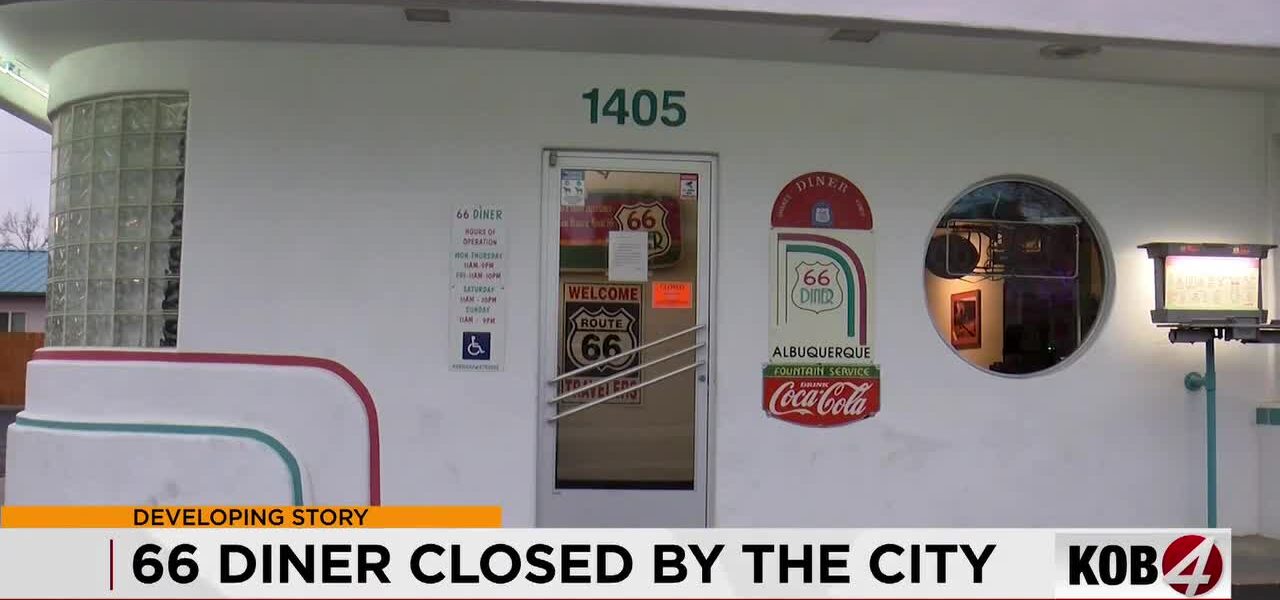
POLICY WIRE — Albuquerque, New Mexico — The jukebox at the 66 Diner, an establishment synonymous with chrome, neon, and good old American nostalgia, has gone silent. But it isn’t just a mechanical glitch that’s stopped the music—it’s a city-issued orange tag, slapped unceremoniously on the front door, proclaiming “imminent health hazards.” The terse municipal edict means a beloved institution, for decades a vibrant waypoint on the historic Route 66, has closed indefinitely.
It’s not just a restaurant shuttering, it’s a cultural touchstone going dark. Generations have huddled in its booths, sipping malts — and wolfing down green chile cheeseburgers. Suddenly, abruptly, it’s gone. Nobody’s saying precisely *what* those imminent health hazards entail. The city, as is its wont, isn’t spilling details. The opacity leaves a vacuum, quickly filled by speculation, worry, and a tangible sense of loss that hangs heavy over Central Avenue.
“Look, when you’re dealing with the public’s health, you don’t dither. You act. It’s our responsibility to ensure every establishment operating in our city adheres to the highest standards, without exception,” stated City Councilwoman Maria Rodriguez, a staunch advocate for robust public safety measures, in an exclusive chat with Policy Wire. Her tone was firm, unyielding. But it also didn’t quite fill in the blanks. Why this, and why now?
The diner’s ownership, battered but not broken, has offered little in the way of explanation, beyond a grim notice on their website citing an “emergency” closure. And who wouldn’t be distraught? “This isn’t just bricks — and mortar to us; it’s family, it’s history. We’ve poured our lives into this place,” remarked Robert Sanchez, a long-time manager, his voice cracking with emotion. “We’re doing everything we can to get it fixed, to understand what’s happening, — and to open those doors again. But it’s a punch to the gut.” It’s a sentiment echoed across many family-owned businesses that find themselves caught in regulatory crosshairs.
The swiftness of the shutdown is unsettling, emblematic of a bureaucratic power that can, at a stroke, erase livelihoods and local landmarks. This isn’t just an Albuquerque story. Think of a small bakery in Lahore, struggling to navigate shifting sanitation laws, or a tea stall in Cairo facing an unforeseen building code violation. Small businesses, especially those in the hospitality sector, operate on thin margins and often under the constant gaze of multiple regulatory bodies. One slip—or even a perceived one—and the dominoes begin to fall.
Because, for every thriving enterprise, there’s an underlying vulnerability. Data from the National Restaurant Association indicates that nearly 60% of independently owned restaurants fail within their first five years, with regulatory compliance often cited as a significant, silent killer. It’s an arena where opaque processes can have outsized impacts. Local economies rely on these independent ventures, don’t they?
📄 POLICY WIRE WHITEPAPER PUBLISHED: PAKISTAN'S NATIONAL SECURITY POLICY PRIORITIES
👉 READ BY CLICKING HEREAnd what happens when trust erodes? When the public is left guessing? Albuquerque is a city proud of its unique culture, its blending of Native American, Hispanic, and Anglo influences, a place where institutions like the 66 Diner aren’t just businesses; they’re communal gathering points. The void left by such a sudden closure isn’t just economic; it’s social, even emotional. People don’t just visit diners for food; they visit for continuity, for memory, for a sense of belonging.
What This Means
The abrupt shuttering of Albuquerque’s 66 Diner, while ostensibly a local health matter, echoes a far wider struggle between individual enterprises and institutional power. Politically, such actions highlight the delicate balance authorities must strike between safeguarding public welfare and supporting the often-fragile small business ecosystem. For policymakers, it’s a lesson in transparency; clarity in enforcement isn’t just good public relations, it’s foundational to maintaining public trust and fostering an equitable business environment. When the ‘why’ remains elusive, cynicism proliferates. The economic ramifications are immediate: lost jobs for employees (potentially dozens), disrupted supply chains for local vendors, and a noticeable dent in local tax revenue—all from one orange tag. For a city like Albuquerque, heavily reliant on tourism and its distinctive cultural offerings, losing a landmark like the 66 Diner isn’t just a sentimental blow; it’s a hit to its brand, its identity as a stop along America’s historic byways. And it doesn’t take much imagination to extend this scenario to the souks of Marrakech or the bustling streets of Dhaka, where informal economies thrive but face constant pressures from state regulation, often with less recourse or public awareness than here. The precarity of small businesses, particularly those entwined with tourism, is a universal economic anxiety. For more on how policy decisions ripple through local economies, consider Pittsburgh’s own ongoing economic adjustments.