Verdict Echoes: A New Mexico Love Triangle, Manipulation, and a Sword’s Deadly Verdict
POLICY WIRE — Santa Fe, N.M. — It wasn’t the blade, they say, that inflicted the deepest wound. That came much earlier, woven through whispers — and twisted affection, long before the cold...

POLICY WIRE — Santa Fe, N.M. — It wasn’t the blade, they say, that inflicted the deepest wound. That came much earlier, woven through whispers — and twisted affection, long before the cold steel met its tragic target. Last week, in a courtroom far from the sun-baked plazas of Santa Fe, the grim reality of such a deception played out for Isaac Apodaca, now a man branded a murderer not just by deed, but by malevolent design. A jury didn’t spend long hashing it out, handing down a first-degree murder conviction—the legal system’s pronouncement on a meticulously planned end to 21-year-old Grace Jennings’ life.
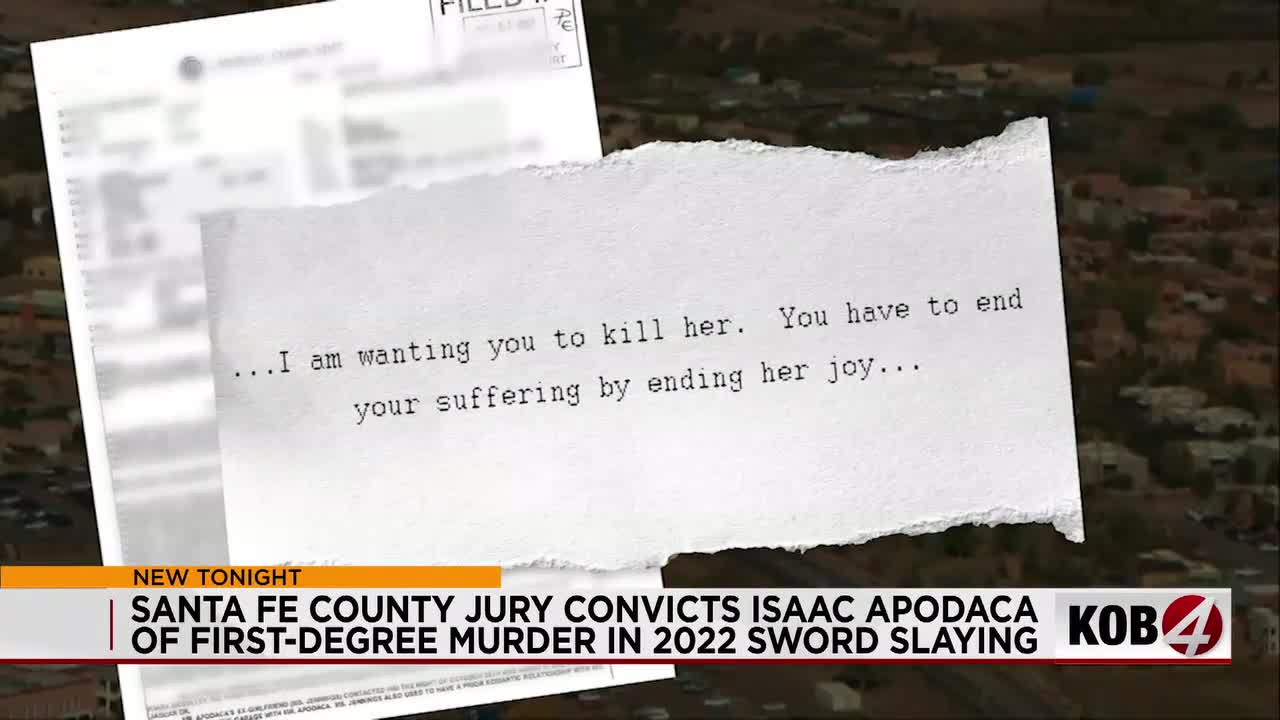
But this isn’t just another local crime blotter entry. No, it cuts deeper, exposing the frightening fragility of relationships where power and control can warp human connection into something truly monstrous. Apodaca, prosecutors contended, didn’t wield the sword himself. He allegedly [QUOTE_PLACEHOLDER] A chilling detail, wouldn’t you say? It suggests a puppeteer pulling strings, a calculated psychological operation, turning intimacy into a weapon.
The trial itself was a six-day spectacle of human frailty — and procedural grit. Sixteen witnesses paraded before the court, each contributing a sliver to the dark tableau. And then there was Kiara McCulley. The key witness, she was—Apodaca’s ex-girlfriend, the actual wielder of the blade, according to testimony. What a mess, a true cat’s cradle of betrayal. McCulley, you see, was allegedly entangled with both Apodaca — and the victim, Jennings. A deadly, toxic romantic triad. It always starts innocent enough, doesn’t it? Just some romantic drama. But then the threads tighten.
And McCulley didn’t just testify about her dual romantic life. She told the court, starkly, that [QUOTE_PLACEHOLDER] That’s a heavy confession, an indictment of collaborative evil. She’d already cut her own deal with the prosecution—a plea arrangement, and now she will spend 30 years in prison. Think about that for a second. Thirty years. A third of a lifetime, gone. For what? Love, hate, fear, manipulation? All of it, probably. There’s never just one motive in these tangled sagas, never just one black — and white answer.
The jury didn’t take long to find Apodaca guilty, a speedy judgment, confirming what prosecutors had been asserting from day one. He’s looking at significant time. A judge will sentence Apodaca next month, — and [QUOTE_PLACEHOLDER] Life, without the possibility of parole. A fitting end, many will argue, for someone deemed to orchestrate such a depraved act. But the consequences of his actions reverberate far beyond prison walls. They shatter families, scar communities, — and leave indelible questions about the darkness people can unleash.
And these grim tales aren’t confined to the high desert of New Mexico, oh no. Globally, similar stories of coercive control leading to violent crime are tragically common, though often underreported, especially concerning women implicated under duress. Consider for a moment the nuanced complexities of justice in societies like Pakistan or other parts of South Asia. There, social pressures, familial honor, and sometimes ingrained patriarchal structures can add layers to investigations involving romantic entanglements and alleged manipulation. The concept of culpability becomes intensely charged when assessing the degree of free will exercised by someone operating under immense pressure—be it emotional, physical, or societal. It makes you wonder, doesn’t it, about the universal threads binding human fragility and the terrible outcomes of unchecked emotional power. It’s an endless, complex thread running through justice systems, everywhere. Sometimes, the true monster isn’t obvious, nor is their impact confined by borders. According to data compiled by the United Nations Office on Drugs and Crime (UNODC), approximately 47,000 women and girls globally were killed by an intimate partner or family member in 2021—a stark number underscoring the lethal risks within domestic relationships across various cultures.
What This Means
Apodaca’s conviction signals more than just the end of a particularly sordid criminal case. It represents a broader, chilling affirmation of the legal system’s capacity—or rather, its persistent attempt—to untangle the intricate web of blame in crimes steeped in psychological warfare. We’re moving beyond simplistic perpetrator-victim binaries, thank heavens, slowly acknowledging the devastating impact of coercive control, where one party isn’t simply coerced, but arguably *converted* into an instrument of violence. For policy wonks and legal scholars, this Santa Fe ruling serves as a stark reminder: manipulation, insidious and often unseen, can be as culpable as a direct blow.
Economically, well, these types of cases have indirect, yet profound, impacts. The resources poured into prosecuting such a trial, the ripple effect of emotional trauma on communities and families, the cost of incarceration—it all adds up, a drain on public funds and collective psyche. This verdict, a decisive one, might offer some closure, perhaps even a sense of retribution. But for anyone grappling with a sense of security in intimate partnerships, it raises disquieting questions. What kind of safeguards, exactly, do we have against such profound human betrayals? And what about those, particularly women, who find themselves coerced into horrifying acts? McCulley’s plea deal isn’t just about sentencing; it’s a policy nod to the mitigating circumstances of extreme duress, even in heinous crimes. You can read more about such complex ethical dilemmas in articles like The Brutal Calculus of Unity: When Star Power Splits Allied Factions, which often touch upon how society assigns fault in fractured relationships. It’s not an easy answer, this stuff. And it’s messy. Justice, like life, doesn’t offer clean resolutions to dirty deeds.