


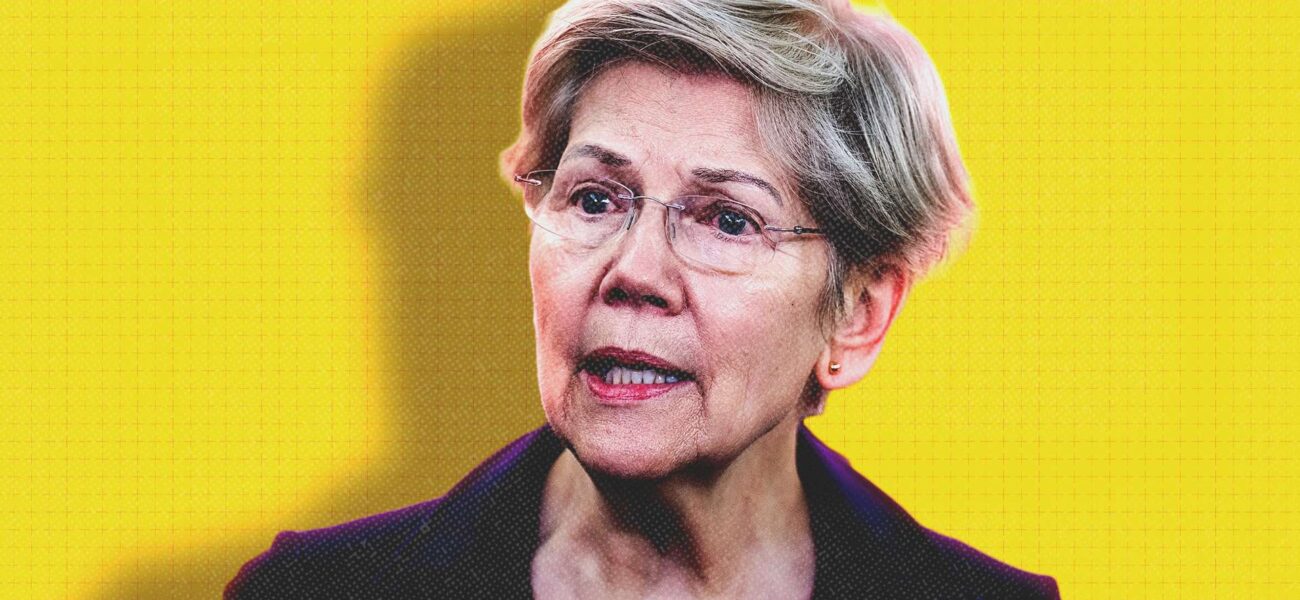
Social Security’s High-Stakes Gamble: Warren’s Tax Fix Rekindles Generational Divide
POLICY WIRE — Washington, D.C. — Not every debate is about who gets what piece of the pie; sometimes, it’s about whose entire pantry gets raided. That’s the mood in the capital, an unspoken current...

POLICY WIRE — Washington, D.C. — Not every debate is about who gets what piece of the pie; sometimes, it’s about whose entire pantry gets raided. That’s the mood in the capital, an unspoken current flowing beneath the surface chatter as talk turns to shoring up Social Security. And let’s be honest, it’s not exactly a feel-good story for a significant chunk of the electorate.
It’s here, amidst the dry policy proposals and dense economic forecasts, that Senator Elizabeth Warren’s approach to bolstering the nation’s bedrock retirement system enters the fray. Her plan? A tax hike, they’re saying—and a whopping one at that. Political observers and budget wonks are calling it what it’s: an initiative that would, effectively, usher in the country’s largest tax increase in over forty years. Imagine that. Four decades. You’d think by now we’d have figured out a less dramatic path, wouldn’t you? But here we’re, facing what feels like a budgetary earthquake, rather than a mere tremor.
This isn’t some abstract idea conjured from a think tank’s fever dream. It’s a very real legislative ambition aimed squarely at the country’s highest earners, fundamentally altering how we fund one of government’s most enduring programs. Critics quickly latch onto the size, painting a picture of an overreaching federal hand delving deep into pockets already strained. Supporters, naturally, frame it as essential fairness, a necessary realignment to ensure benefits for future generations. It’s the usual Washington tango, but this time, the stakes—and the numbers—feel astronomically high.
But the political chess board here is complex. The proposal to fix Social Security isn’t just about dollars and cents; it’s about American exceptionalism, the idea that our golden years should be secure, that hard work pays off—eventually. Many ordinary families are grappling with inflation, stagnant wages, and the constant fear that the safety net they’ve paid into their entire lives might fray. They’ve watched their savings erode. For them, any talk of large-scale financial maneuvering by Washington leadership, especially involving taxes, can spark genuine unease. Even if it promises a more stable future, the immediate impact could pinch.
This situation also casts a long shadow across international finance and the perception of American fiscal stability, impacting partners even as far away as Pakistan. For nations like Pakistan, which relies heavily on remittances from its diaspora—including those working in the U.S.—any significant shift in American tax policy for high-income earners could ripple through its economy. Pakistani Americans, many of whom are successful professionals or business owners, funnel billions home annually. A substantial tax increase on higher incomes in the U.S. might subtly affect their discretionary income, potentially causing a marginal, yet perceptible, dip in those critical inflows for a nation always managing its balance of payments. It’s a connection many don’t see on the surface, but it’s there, pulsing just below the headlines.
Consider the cold, hard math: the Congressional Budget Office (CBO) projected in its 2023 report that the Social Security trust funds will become exhausted in the 2030s if current law remains unchanged. That’s a firm deadline, — and it makes all this discussion about tax increases far less theoretical, far more urgent. You can’t just wish those numbers away, can you?
Senator Warren’s plan would address this impending shortfall by, reportedly, imposing new Social Security taxes on wages and net investment income above $250,000 annually. [QUOTE_PLACEHOLDER] And it wouldn’t stop there. But how do you sell a hike of this magnitude to a voting public already exhausted by economic uncertainty? You make a strong case that those with the broadest shoulders should carry the heaviest load, right? It’s an age-old political refrain, and it finds fertile ground when wealth inequality remains such a stark feature of the American landscape.
📄 POLICY WIRE WHITEPAPER PUBLISHED: PAKISTAN'S NATIONAL SECURITY POLICY PRIORITIES
👉 READ BY CLICKING HEREBut political adversaries are quick to argue it’s an overreach, a blunt instrument that stifles ambition and investment. [QUOTE_PLACEHOLDER] And this debate isn’t just a squabble among D.C. elites; it filters down to Main Street, affecting everything from investment strategies to retirement planning for millions of Americans. It makes sense, too, doesn’t it, when you realize just how deeply entrenched Social Security is in the American financial psyche?
But let’s be real—the alternatives aren’t exactly sunshine and roses. Raising the retirement age? Cutting benefits for everyone? These options have their own fierce opponents, their own politically impossible pathways. So, the tax increase, as jarring as it sounds, becomes one of the few levers large enough to move this particular mountain. You just wonder how many hands it’ll take to pull it off, — and what kind of fallout we’ll see when they do. This isn’t just policy; it’s a political grenade with a very long fuse.
What This Means
This push by Senator Warren isn’t just a policy discussion; it’s a profound political and economic recalibration attempt, one that’s fraught with peril and opportunity. Economically, if enacted, such a substantial tax increase on higher earners and investments would represent a significant wealth transfer, intended to fortify Social Security’s long-term solvency. It would almost certainly impact investment decisions — and potentially influence capital flight, however slight. High-net-worth individuals might explore tax-advantaged strategies, while the overall tax burden on capital could shift, possibly altering incentive structures within the economy.
Politically, the ramifications are immense. This plan isn’t a mere tinkering; it’s a foundational shift that ignites fierce opposition from conservatives and many moderates, branding it as government overreach and wealth confiscation. For progressive Democrats, it’s a chance to demonstrate commitment to social safety nets — and addressing inequality. Expect this issue to be a flashpoint in upcoming election cycles, perhaps shaping primaries and general elections for years. It’s likely to energize base voters on both sides—the beneficiaries and potential beneficiaries on one, and the taxpayers bearing the brunt on the other. For more on the unpredictable nature of such policy pushes, one might look at geopolitical ripple effects of individual actions, or even the way large economic policies can create anxiety in established industries. This isn’t a quick fix; it’s a systemic intervention, setting the stage for protracted legislative battles and public discourse.