


Albuquerque’s Rocky Retail Battle: Local NIMBYism Meets Stubborn Spades
POLICY WIRE — Albuquerque, New Mexico — A mountain of paperwork, it seems, can prove just as immovable as a mountain of rock in this dusty corner of the Southwest. Here, on Albuquerque’s sprawling...

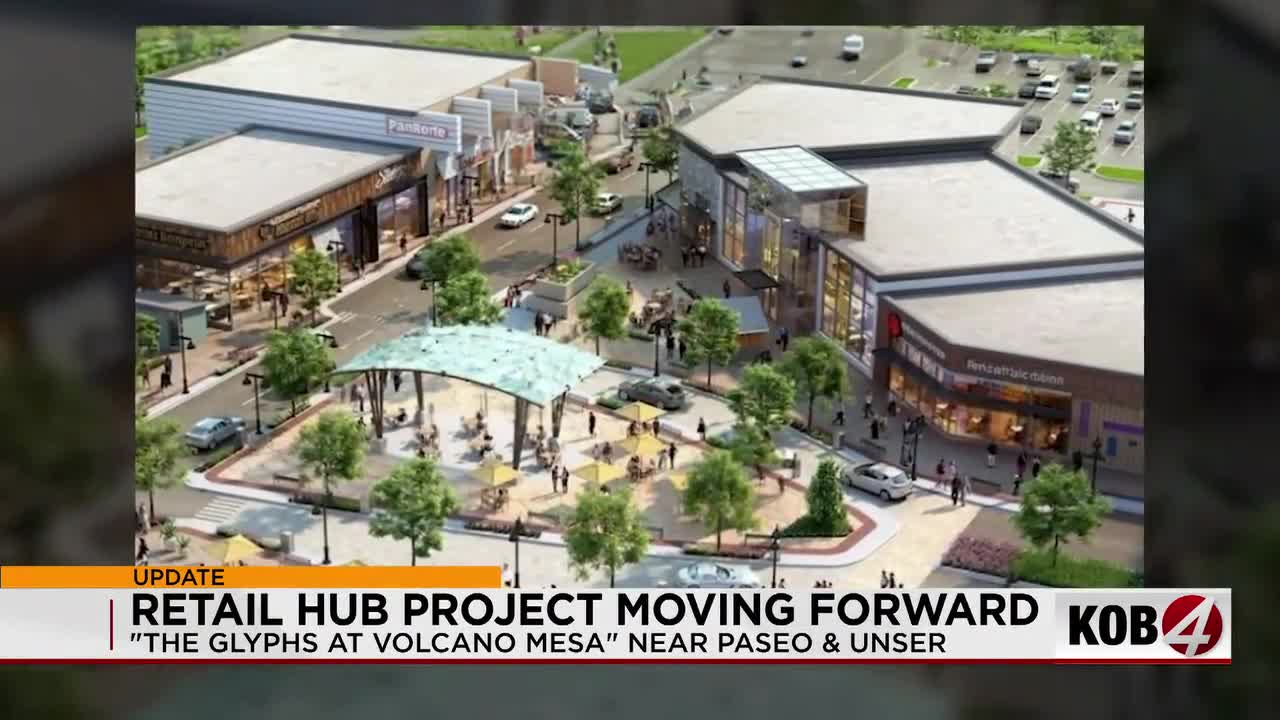
POLICY WIRE — Albuquerque, New Mexico — A mountain of paperwork, it seems, can prove just as immovable as a mountain of rock in this dusty corner of the Southwest. Here, on Albuquerque’s sprawling West Side, an ongoing turf war over a retail project dubbed The Glyphs at Volcano Mesa has less to do with the tangible grind of excavation and a lot more with the grinding gears of civic dissent and developer obstinacy.
See, this isn’t just about shops or daycares anymore. Not really. It’s about how much power local folks truly wield when big money decides it wants to build, and whether a developer’s steely resolve can overcome years of legalistic sand in the gears. This story, you realize, it plays out everywhere. Every single city. The details change, sure, but the underlying narrative? Same old song. It’s a tune sung from the sprawling peripheries of Karachi—where informal settlements clash with sleek high-rises—all the way to the city council chambers of this New Mexico desert town.
Angela Piarowski, CEO of Modulus Architects and Land Use Planning, sounds less like a triumphant builder and more like a weary general after a long siege. “Many developers,” she tells us, her voice clipped, “would’ve thrown in the towel — and beat it outta here long ago. And who could blame ’em? But we won’t. This community needs good retail, and we’re committed, darn it, to delivering it.” Her firm’s been trying to put this eight-acre mixed-use project, located near Paseo del Norte and Kimmick Drive, onto the city’s volcanic landscape for what feels like an eternity to her.
But commitment only takes you so far when you’ve got neighborhood associations playing a relentless game of legal whack-a-mole. Their concerns are varied, but it all boils down to one simple plea: *Not here. Not like this.* They’re not exactly keen on another sprawling commercial blob eroding the unique character of their West Side. For them, it’s less about stopping development cold, — and more about controlling its creeping footprint. This particular project’s initial vision included a boutique grocery store, meant to anchor the whole thing. A nice, genteel sort of draw. But due to, you guessed it, ‘the many delays,’ that anchor pulled up stakes. Poof. Gone.
“We watched them leave,” Piarowski lamented, a visible slump in her shoulders even over the phone. “They couldn’t stick around, not with all this back-and-forth, all these appeals. That’s a significant blow when you’re trying to attract businesses that bring real value. And honestly, it makes other potential tenants think twice.” She’s not wrong; investor confidence, especially for a venture already deemed risky, shrivels under protracted legal uncertainty, making projects like these a tough sell. And because they’ve struggled to firm up commitments, this retail hub often appears more mirage than certainty to outsiders.
Manuel Garcia, President of the Westside Coalition of Neighborhood Associations, doesn’t hide his organization’s persistent skepticism. “Our job isn’t to be anti-progress,” Garcia declared, leaning forward with the gravity of someone who’s spent too many evenings studying zoning maps. “It’s about intelligent growth, about ensuring the city follows its own rules, — and protecting our homes. We didn’t sign up for this kind of encroachment. The way the zoning approval process happened… it just wasn’t right. The city council ultimately rejected our 2024 appeal, but that doesn’t mean we stop asking hard questions.” His coalition appealed that decision in 2025, showing their unwavering stance. Even now, with heavy machinery scraping away volcanic rock, breaking ground quite literally, more legal challenges are percolating, largely tied to a separate housing development right next door.
And let’s be real, Albuquerque’s West Side isn’t exactly lacking in new residences. Data from the U.S. Census Bureau confirms a surge: Albuquerque’s population on its West Side grew by approximately 23% between 2010 and 2020. This demographic explosion, naturally, ratchets up pressure for amenities but also fuels a protective streak in those who’ve long called the area home.
What This Means
This endless legal tennis match — developer serves, neighborhood association returns, city council rules, then appeals — says a lot about the contemporary landscape of urban development. Politically, it showcases the increasing power, or at least persistence, of well-organized community groups to challenge even politically endorsed projects. City councilors, caught between developers promising tax revenue and residents threatening ballot box revenge, often walk a tightrope. Their rejection of the neighborhood’s appeal speaks volumes about the city’s broader economic growth agenda, prioritizing expansion over localized concerns about infrastructure strain or character. The absence of a solid completion timeline means sustained uncertainty, chilling not just tenant interest but also hampering potential synergistic growth with other planned ventures in the area. This kind of stalemate isn’t just an American quirk; countries across the Muslim world, like Pakistan, frequently grapple with foreign and domestic investment projects caught in similar webs of land-use disputes, environmental reviews, and strong local pushback—think CPEC projects where villagers contest land acquisitions. These projects often suffer cost overruns, delays, — and a significant drop in anticipated benefits.
Economically, it’s a messy proposition. Delays bleed money. They discourage follow-on investments, particularly from those smaller, independent businesses that rely on stability. The project’s developers maintain the West Side is an underserved market; perhaps. But ‘underserved’ can also translate to ‘challenging,’ especially when your target demographic is also your most vocal opposition. For Policy Wire readers keeping tabs on global commerce, this particular kerfuffle offers a miniature lesson in why some markets, even when promising, remain tricky bets for large-scale investment. You can pour concrete all day long, but you can’t exactly pour over local objections with the same ease.