


Metropolitan Museum Contends with Microbe Outbreak as NYC Battles Legionnaires’ Scare
POLICY WIRE — New York City, U.S. — The venerated halls of the Metropolitan Museum of Art, usually bustling with global tourists, lately housed a less-savory resident: Legionella bacteria. Not a...

POLICY WIRE — New York City, U.S. — The venerated halls of the Metropolitan Museum of Art, usually bustling with global tourists, lately housed a less-savory resident: Legionella bacteria. Not a usual patron, obviously. This quiet, insidious infiltration into one of New York City’s most storied landmarks provides a sharp, somewhat ironic, focal point for a recent, unnerving outbreak of Legionnaires’ disease sweeping through Manhattan’s swank Upper East Side. And it really spotlights how something microscopic can—believe it or not—bring prestige down a peg or two.
It’s a peculiar thing, seeing a cultural icon wrestling with public health officials over waterborne pathogens. But that’s precisely the situation. The Metropolitan, along with dozens of other buildings, including high-end apartment houses and even another famous institution, the Guggenheim, turned up positive in initial tests for the bacteria. Officials are still sorting through the precise origins, which just means they’re scratching their heads about where the initial nasty stuff came from.
The city’s health brass confirmed Tuesday that 60 folks have been tagged with the illness so far. However, there’s a sliver of good news—new diagnoses appear to be slowing. City data indicate only two fresh cases diagnosed from samples collected this past Sunday and Monday, a stark contrast to as many as 11 per day recorded earlier in the outbreak’s run. “All of these things together paint an encouraging sign,” Health Commissioner Dr. Alister Martin chirped at a recent digital briefing, perhaps trying to instill a bit of calm. This positive spin came just a day after City Council Speaker Julie Menin, who lives right in the thick of it, complained that the Health Department wasn’t doing and disclosing enough.
Ah, the classic bureaucratic tango. You see a public health crisis brewing, then watch the elected officials take aim at the technocrats, demanding more transparency. It’s a familiar rhythm, isn’t it? This sort of public push-and-shove often becomes a necessary pressure valve, even in tightly managed cities like New York. Because sometimes, a bit of political heat is exactly what gets the gears grinding quicker. In other places—like Karachi, Pakistan’s sprawling megalopolis—such a public dialogue about disease outbreaks and government accountability can be, well, considerably more fraught. Infrastructure weaknesses there, or indeed in any major urban hub across South Asia, often mean similar pathogen problems could snowball into much larger, more tragic public health calamities without robust and swift action, or without an articulate, demanding public pushing for it. Fading Stars and Fierce Sons: The Enduring Battle for Legacy, From Philadelphia to Peshawar.
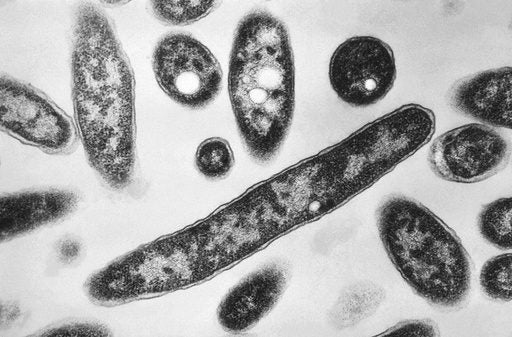
Legionnaires’ disease itself isn’t some rare, exotic ailment. It’s a particularly nasty form of pneumonia, courtesy of Legionella bacteria. These little buggers love warm, wet environments: cooling systems, hot tubs, showerheads. You breathe in contaminated water droplets, and bingo—you’ve got yourself a fight. It doesn’t jump person-to-person, which is a small mercy, honestly. The illness is treatable, sure, but it can be a real killer. The U.S. Centers for Disease Control — and Prevention warns it’s fatal in about 10% of cases. Ten percent. Just let that sink in for a minute. That’s a grim calculus for anyone who’s fallen ill.
📄 POLICY WIRE WHITEPAPER PUBLISHED: PAKISTAN'S NATIONAL SECURITY POLICY PRIORITIES
👉 READ BY CLICKING HEREOf the 60 patients, 49 had to be hospitalized, though 34 are back home now. Nobody’s died this time, thank goodness. But Harlem’s memory still looms large—a year ago, seven people perished and over 100 were sickened in an outbreak there. The culprits? Cooling towers. Always the cooling towers. These things, often perched atop large buildings, are perfect incubators if not properly maintained. The city’s got 183 of ’em in the affected Upper East Side area, — and they’ve already inspected every single one. Seventy-five came back positive on first-round tests, though those don’t distinguish between live — and dead bacteria. Still, that’s a lot of tainted towers. Most have been cleaned; the rest will be done by Thursday. Manhattan’s Microbe Miasma: Legionnaires’ Outbreak Exposes Elite Vulnerability.
What This Means
This incident, small in global scope but deeply unnerving for locals, is a harsh reminder of urban vulnerabilities. It demonstrates that even the most affluent and seemingly pristine urban centers aren’t immune to basic public health threats. Economically, while not a catastrophic event, repeated public health scares—especially those touching on water and air systems—can ripple through local commerce, influencing tourism and even property values if left unchecked. Politically, the immediate response and the swift action to inspect and clean facilities speak volumes about government capacity under pressure. It’s a quick pivot from initial criticism to visible action. But it also raises uncomfortable questions about proactive monitoring versus reactive clean-ups. What if this rapid response hadn’t happened? The immediate public outrage and subsequent demand for transparency from residents and elected officials, like Speaker Menin, highlight a healthy if sometimes messy, democratic mechanism at play—accountability in real time. It’s not just about getting rid of the bacteria; it’s about rebuilding trust and proving that a city can effectively safeguard its populace, from its cultural institutions to its ordinary citizens. And that, frankly, is a tough job even when you’re not battling invisible microbes in historic landmarks.