


Europe’s Cold Reawakening: Helsinki’s Nordic Resolve Meets Berlin’s Grand Rethink
POLICY WIRE — Helsinki, Finland — There’s a particular scent to freshly upturned earth, a kind of primal urgency that pervades the air when old certainties crumble. Europe, frankly, is smelling...

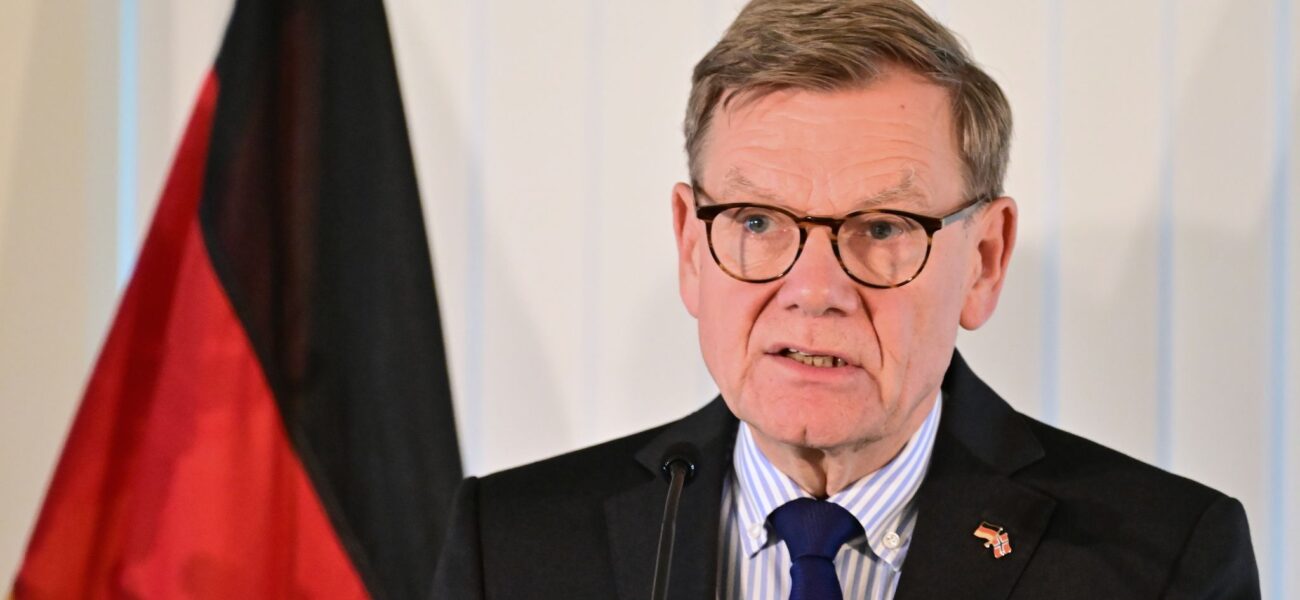
POLICY WIRE — Helsinki, Finland — There’s a particular scent to freshly upturned earth, a kind of primal urgency that pervades the air when old certainties crumble. Europe, frankly, is smelling a lot of that lately. It’s not just the thrum of Leopard tanks rumbling across the training grounds or the hurried reassessments in polished chancelleries; it’s a gut feeling, a bracing recognition that the continent’s ‘end of history’ vacation is definitively over. And this week, Johann Wadephul, the rather hawkish foreign policy spokesperson for Germany’s Christian Democrats (CDU/CSU) parliamentary group, zipped up to Finland. A visit not just of diplomatic niceties, but a pointed affirmation of shared anxiety, and — let’s be real — strategic alignment in an increasingly jumpy world.
It used to be that German officials touring Nordic capitals might talk about sustainable forestry or perhaps, if things got truly wild, a joint venture in offshore wind. Not anymore. Now, the discourse pivots sharply to how many artillery shells Ukraine needs, how quickly, and what Europe’s common defensive perimeter actually looks like. Wadephul’s jaunt to Helsinki, a city whose historical scars from a belligerent neighbor run deep, underscores this drastic recalibration. Germany, historically slow-moving on defense — often perceived (not unfairly, mind you) as preferring robust trade over robust armor — is trying to shed decades of pacifist comfort. That’s a huge undertaking, believe you me.
“We can no longer afford the luxury of theoretical deterrence,” Wadephul stated, his tone unyielding. “The aggression in Ukraine has laid bare the cold mechanics of power. Our unity isn’t just about solidarity; it’s about our very survival as free societies, and Finland’s rapid, decisive embrace of NATO shows precisely what’s needed.” He’s not wrong. Finland, after all, joined NATO practically overnight—an absolute geopolitical whirlwind, frankly. They know a thing or two about living next to a large, unpredictable bear.
Because, well, Russia’s war in Ukraine has rewritten the playbook for everyone, especially those geographically adjacent or ideologically opposed. Finland’s Defense Minister, Antti Häkkänen, wasn’t mincing words either during their discussions. “For Finland, security isn’t some abstract policy debate; it’s our landscape, our daily reality. Our support for Ukraine isn’t charity; it’s self-preservation,” Häkkänen told reporters, likely gesturing vaguely towards the east. “We appreciate Germany’s newfound momentum, and we expect that momentum to translate into continued, meaningful material support, for Ukraine’s sake, and for our shared defense.” You can tell he means it, too. They always do.
This evolving dynamic, far from being just a Eurocentric spat, reverberates far beyond the continent’s borders. Think about it: when Germany, Europe’s economic powerhouse, begins seriously talking about pouring more cash into its Bundeswehr and sending more weapons eastward, it creates a ripple effect. Globally, every nation from Washington D.C. to Islamabad watches these shifts. For countries in South Asia, particularly those like Pakistan navigating their own complex dance between global superpowers and regional hegemonies, Europe’s security recalibrations serve as both a cautionary tale and a blueprint. It’s all about how sovereign states manage threats to their borders—sometimes with unexpected alliances, other times through desperate, self-serving isolation, like fading stars in an unforgiving firmament. It’s an interesting mirror, wouldn’t you say?
Indeed, Germany’s pivot is tangible. Last year alone, Germany became the second-largest provider of military aid to Ukraine, totaling over €17 billion in commitments, according to data from the Kiel Institute for the World Economy Ukraine Support Tracker. That’s a stark contrast to pre-2022 policy, when supplying weapons to active conflict zones was virtually taboo. That kind of turnaround? It makes you sit up straight.
📄 POLICY WIRE WHITEPAPER PUBLISHED: PAKISTAN'S NATIONAL SECURITY POLICY PRIORITIES
👉 READ BY CLICKING HEREAnd so, Wadephul’s trip wasn’t just about Germany validating Finland; it was also about Germany absorbing some of Finland’s hard-earned, frontline pragmatism. It’s a cross-pollination of cold-war muscle memory meeting post-war idealism – and guess which one seems to be winning right now? The world’s geopolitical plates, they’re shifting beneath our feet, whether we like it or not. The price of peace? Well, it’s getting higher by the minute, even if some don’t feel it directly. You see the global repercussions everywhere, like a 433-foot home run reveals about global obsessions, though few connect the dots directly.
What This Means
This Helsinki handshake symbolizes far more than a simple bilateral meeting; it represents Europe’s uneasy, yet accelerating, journey towards a robust security posture, sans illusions. Politically, Germany’s once-unflappable post-war identity—built on economic strength and a constrained military—is undergoing a profound transformation. They’re realizing that economic muscle alone won’t deter tanks. This has serious implications for the EU, forcing a deeper integration of defense policies and perhaps even a faster push toward genuine European strategic autonomy, something often talked about but rarely acted upon. Finland, as NATO’s newest front-line state, acts as a crucial amplifier for this message, reminding Berlin that realpolitik trumps pleasantries.
Economically, this trajectory translates into sustained, significant defense spending across the continent. Nations like Germany are committing hundreds of billions to military modernization, diverting resources that could otherwise go to social programs or infrastructure (a tough pill for many to swallow). This investment boom, while great for the defense industry, also signals a long-term commitment to geopolitical friction. We’re talking about reorienting entire national budgets, boosting defense R&D, and likely contending with ongoing supply chain pressures for weaponry. the reliance on a strong, unified front against Russia reinforces existing trade embargoes and energy shifts, deepening Moscow’s economic isolation and forcing global energy markets into permanent reshuffle. It’s a costly, complex new normal, — and frankly, we’re only just beginning to grasp the full tab.