


Quiet American Streets, Sudden Blaze: New Jersey Car Bomb’s Ripples Extend Far Beyond the Cul-de-Sac
POLICY WIRE — Trenton, United States — An ordinary Tuesday afternoon just became anything but, folks, after a violent car explosion ripped through what was, moments before, a picture of...

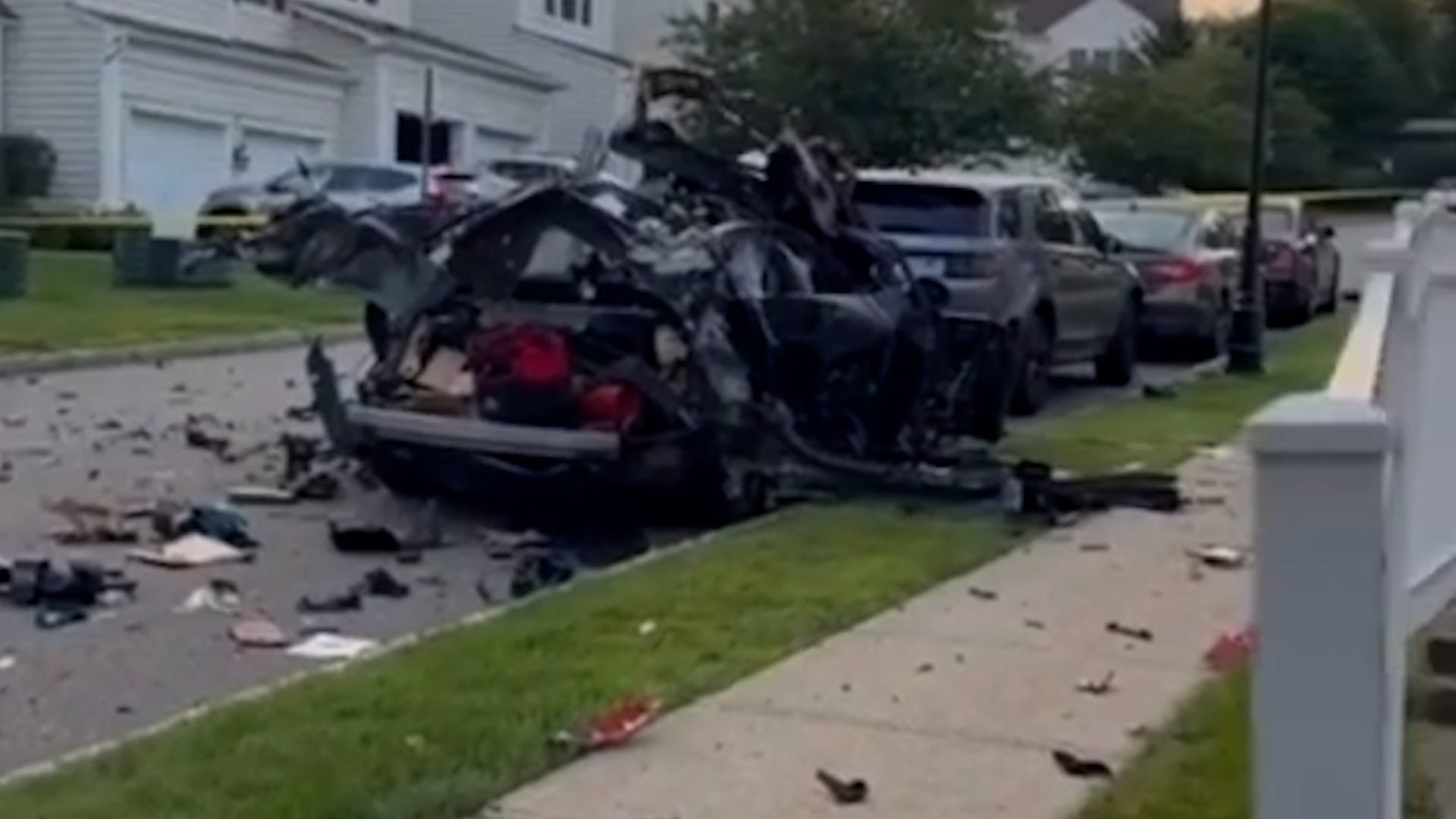
POLICY WIRE — Trenton, United States — An ordinary Tuesday afternoon just became anything but, folks, after a violent car explosion ripped through what was, moments before, a picture of suburban calm in a nondescript New Jersey neighborhood. The immediate aftermath? Think shattered glass, acrid smoke, — and an air thick with unspoken fear, the kind that sticks in your throat.
It wasn’t your everyday fender bender, wasn’t a freak accident. This was deliberate. You could feel it, could almost taste the intent in the lingering chemical odor. Local authorities were quick on the scene, cordoning off streets faster than you could say ‘homeland security.’ What started as a local police response quickly ballooned into a multi-agency effort, bringing in federal heavy hitters like the FBI and the Bureau of Alcohol, Tobacco, Firearms, and Explosives (ATF). The stakes, as they say, went up.
Preliminary reports — you know, the kind whispered on scanner feeds before anyone gets a chance to verify them — indicated [QUOTE_PLACEHOLDER]. No public statements yet confirming fatalities, but the scene itself told a grim story. Eyewitnesses described a blast that [QUOTE_PLACEHOLDER]. One resident, still shaking — and holding a steaming coffee cup, muttered something about [QUOTE_PLACEHOLDER]. But, for now, the official line remains tight-lipped.
The device itself, from what we can glean, was sophisticated. Not some amateur firecracker. That suggests resources, planning, — and a certain kind of dark expertise. This isn’t just about a vehicle that went boom; it’s about the implications that stretch well beyond this quiet street. It forces us to reconsider the seemingly impenetrable veneer of safety we often assign to American suburbs. They aren’t isolated islands anymore, are they? Just like our political landscape, these communities are now directly connected to currents often thought to be distant.
And those currents can reach far. Think about the intricate web of diaspora communities across New Jersey, communities with roots stretching from bustling European capitals to the far-flung valleys of South Asia. Specifically, Pakistan, where political volatility and socioeconomic stressors have long sent waves of emigration, settling individuals and families into precisely these kinds of American enclaves. This blast, if it indeed has any connection to wider geopolitical motives — and let’s be clear, speculation is running wild — would reverberate deeply within such groups. It’s a stark reminder that grievances, real or imagined, don’t always stay confined to their geographic origin.
But how, you ask, does a car bomb in New Jersey tie into the political intrigues of Islamabad or Karachi? Simple. Any such act on American soil automatically triggers an intense, often hyper-vigilant scrutiny on communities that share ethno-religious ties with regions perceived as ‘problematic.’ It’s an ugly truth, but it’s how it often plays out. The perception of a ‘radicalized’ element, even a tiny fringe, can cast a long, unwarranted shadow over thousands of law-abiding citizens simply trying to make a life for themselves. Remember the hysteria that follows whenever anything even remotely suggests an international link to domestic unrest?
Federal agencies, after all, recorded over 200 incidents classified as vehicle-borne threats or suspicious vehicle cases in the past fiscal year, a data point quietly published within an inter-agency briefing. It shows a persistent, albeit fluctuating, concern. So, this isn’t an isolated, unprecedented event in the grand scheme of things; it’s a terrifying escalation of a persistent threat model. Law enforcement is now combing through every piece of rubble, every fragment, like a macabre jigsaw puzzle, trying to identify [QUOTE_PLACEHOLDER]. The perimeter’s still buzzing, full of forensic experts and K-9 units, each doing their part to stitch together a narrative from chaos.
Because ultimately, this isn’t just about a bomb. It’s about who put it there, why, — and what kind of message they intended to send. Was it targeted? Was it random? And, frankly, what does it mean for the sense of security the average American feels? When the unexpected detonates right where you live, where do you turn? The implications extend far beyond the scorched pavement.
What This Means
This New Jersey incident — a brazen attack in an area previously untouched by such overt violence — sends a chilling message to policy circles and, indeed, the nation’s various ethnic diasporas. Politically, we’re going to see an immediate uptick in demands for increased surveillance, harsher immigration rhetoric (whether justified or not), and potentially, a reevaluation of federal funding for local counter-terrorism initiatives. Expect political opponents to capitalize, weaponizing the public’s fear for electoral gain. It’s what they do, isn’t it? The discourse will become polarized, inevitably. For further reading on the weaponization of information in such crises, check out Digital Dynamite: Manipulated Clip Ignites Deadly Kashmir Protests.
Economically, while localized, the blast could trigger immediate real estate downturns in the immediate vicinity, and perhaps more subtly, affect insurance premiums. Broader economic impacts are less certain unless a clear, sustained pattern emerges. But consumer confidence, particularly regarding safety in public spaces, always takes a hit during such moments. Don’t be surprised if this leads to renewed debate on federal infrastructure security grants or the delicate balance between civil liberties and national security imperatives. It’s a well-trodden path in the aftermath of such events, even if it brings us no closer to lasting solutions. For more on navigating contentious policy issues, consider the implications of local events in a national context as seen in Traffic Stop Stirs Nevada: Governor’s Immunity Questions Rule of Law. This car bomb, while physically contained, will ignite a wildfire of political rhetoric and economic uncertainty, impacting communities and policy agendas alike.