
Silent Ember, Loud Aftermath: Albuquerque Blaze Exposes Unseen Costs of Urban Fragility
POLICY WIRE — Albuquerque, New Mexico — It wasn’t the blaze itself that whispered most loudly through the crisp desert night air on Bellamah Avenue. No, it was the raw human scramble, the...

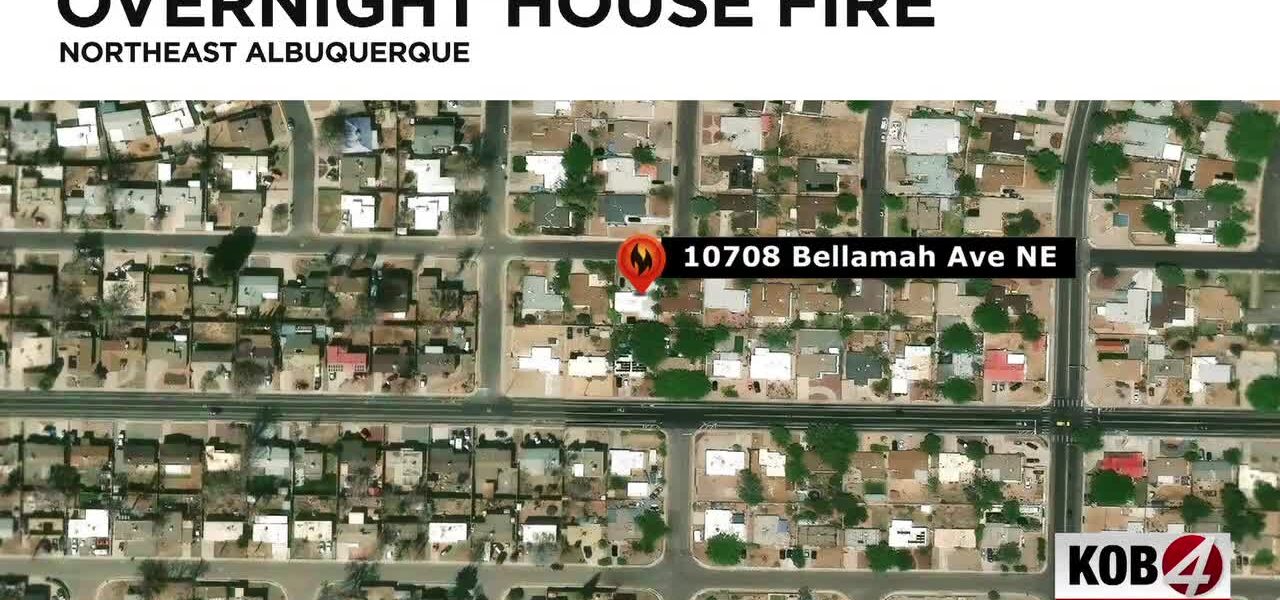
POLICY WIRE — Albuquerque, New Mexico — It wasn’t the blaze itself that whispered most loudly through the crisp desert night air on Bellamah Avenue. No, it was the raw human scramble, the desperate shouts, and the frantic scramble as neighbors peered through smoke—folks trying to escape their own home. A domestic upheaval, a very private catastrophe—suddenly, intensely public. It happens daily, this kind of raw incident, but its implications? They stretch far beyond singed walls — and immediate trauma.
Just shy of midnight, a Monday night in a quiet corner of northeast Albuquerque, life abruptly shifted for at least one household. The reports are stark: a fire broke out, engulfed a home near Eubank and Constitution—a stone’s throw, really, from Jackson Middle School. A single individual ended up in the hospital, — and a family dog, gone. Casualties, plain and simple, but the wreckage isn’t just structural; it’s emotional, it’s economic, and it forces a community, however briefly, to look inward.
And that inward glance isn’t pretty. Neighbors, woken by the unsettling glow, recounted calling 911. They saw people bailing out windows. That’s a level of panic that sticks with you. But it’s not just the sudden destruction. It’s what comes after. Who helps put those shattered pieces back together? Who pays?
“This isn’t just about flames — and water; it’s about lives upturned. Our crews are stretched, but they answer every call,” stated Captain Joe Sanchez, a veteran spokesperson for Albuquerque Fire Rescue, his voice worn but resolute. “The investigation’s ongoing, we’ll get to the bottom of what happened here. Public safety is our job, and it’s a tough one.” His words echo the grim realities emergency services confront nightly, quietly battling not just infernos, but the despair that follows.
Extensive damage, they say. But ‘extensive damage’ for a working-class family—it’s not a policy memo; it’s years of sweat equity evaporated in hours. Their entire sense of place, of safety, obliterated. The irony isn’t lost: while nations squabble over geopolitics and shifting energy alliances, (consider, for instance, how Gulf LNG giants grapple with Asia’s evolving demands), basic human security often hangs by the thinnest thread—a faulty wire, an unnoticed spark.
Councilor Tammy Gutierrez, whose district encompasses the affected area, expressed palpable frustration, a weariness familiar to many local officials. “A house isn’t just wood — and drywall; it’s a family’s history, their peace. Losing that, and seeing a neighbor injured—it hits hard,” she remarked, her gaze distant, fixed on some unseen municipal challenge. “We’ve got to ensure folks feel safe, that our emergency services have what they need. It’s an issue of basic human dignity, really.” Her words speak to the ever-present tension between policy aspiration and gritty reality on the ground. Because frankly, resources are always tight.
📄 POLICY WIRE WHITEPAPER PUBLISHED: PAKISTAN'S NATIONAL SECURITY POLICY PRIORITIES
👉 READ BY CLICKING HEREFor those with family abroad, perhaps in bustling, densely packed cities from Karachi to Cairo, such news resonates differently. They’re acutely aware of the fragility of safety, of homes constructed with varying degrees of oversight. For immigrant communities, where a significant portion of earnings often flows back as remittances to build and secure homes elsewhere, a local fire is a potent, if chilling, reminder of domestic vulnerabilities—a silent echo across oceans.
What This Means
This localized tragedy, while deeply personal for those affected, functions as a micro-crisis reflecting macro-challenges. Nationally, U.S. fire departments respond to nearly 350,000 residential fires annually, according to the National Fire Protection Association (NFPA, 2021). That’s a staggering figure—it’s not an aberration; it’s an expectation. In Albuquerque, it strains emergency services, often necessitating overtime for crews and diverting resources that could address other urban issues.
Economically, for the homeowner, this isn’t just about insurance claims, assuming they had adequate coverage (many don’t). It’s about displacement, lost wages, — and the slow, arduous process of rebuilding. Psychologically, it destabilizes a neighborhood. Children walking past the charred remains on their way to Jackson Middle School, parents glancing nervously at their own aging smoke detectors. It creates an undercurrent of anxiety that doesn’t fade quickly. Politically, these incidents test municipal preparedness — and accountability. Are building codes sufficient? Is inspection enforcement lax? And does the city’s budget reflect the reality of constant emergency demands? These aren’t trivial questions; they impact every resident, touching upon their security and their pocketbooks. they force us to confront the reality that urban safety is a continuously negotiated state, fragile and easily shattered. It’s a harsh reminder that even in developed nations, the fundamental protection of home—a universal aspiration, from Albuquerque to Lahore—is never truly guaranteed, but always contingent on vigilance and investment. And we’re not always vigilant enough.