


Desert Sands Shift: Gulf LNG Giants Confront Asia’s Waning Appetite
POLICY WIRE — Doha, Qatar — The desert heat still shimmered over the vast liquefaction plants dotting the Gulf states, but a different kind of chill has settled in: doubt. Long considered the...

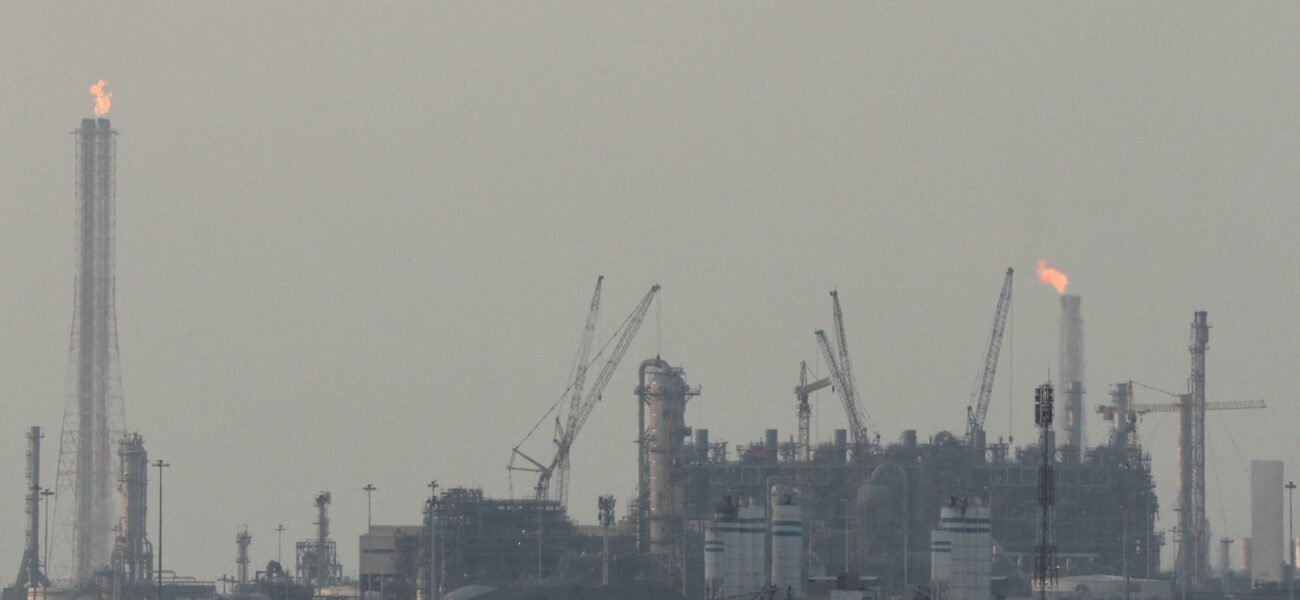
POLICY WIRE — Doha, Qatar — The desert heat still shimmered over the vast liquefaction plants dotting the Gulf states, but a different kind of chill has settled in: doubt. Long considered the undisputed fuel of Asia’s soaring economies, liquefied natural gas (LNG) from the Arabian Peninsula is now facing an unexpected chill from its biggest buyers. It’s not just a seasonal fluctuation; it’s a re-evaluation, a fundamental pivot that’s sending ripples through the global energy trade, shaking the bedrock of petrodollar stability for the region.
For decades, Gulf nations—especially Qatar—built colossal energy empires on the premise of Asia’s insatiable demand and willingness to ink those coveted, decades-long contracts. But recent market tremors — and Europe’s frantic dash for gas have flipped the script. Now, those long-term commitments are looking less like ironclad security and more like cumbersome handcuffs to Asian importers watching spot prices crater. And because the market always finds a way, European buyers, with their newfound zeal for securing supply after Russia’s war in Ukraine, are often willing to swallow harsher, shorter-term conditions, leaving Asian giants with little room to haggle.
It’s an awkward moment. Asian customers, who used to line up, are suddenly eyeing alternatives, or at least far more flexible terms. We’ve always believed in the strength of long-term partnerships, but market shifts mean everyone’s re-evaluating their plays. Stability remains our offering, but pricing… well, it’s a negotiation,
noted Dr. Saad Sherida Al-Kaabi, Qatar’s Minister of State for Energy Affairs — and CEO of QatarEnergy, in a recent address. He wasn’t wrong. Those Gulf export facilities, expanded at dizzying costs, need buyers—hungry ones, and lots of them. They’re built for volume, after all, — and fixed, predictable revenue streams.
But those once-predictable streams? Not so much anymore. Asian spot LNG prices have reportedly fallen by over 70% from their peak in 2022, according to industry data aggregated by S&P Global Commodity Insights, creating a tempting divergence from those fat, contractually-bound price tags. No wonder folks are getting twitchy. Japan, South Korea, China, and India—they’re all scrutinizing every cubic meter.
And what about places like Pakistan? Historically, nations across South Asia, including Pakistan, have relied heavily on securing LNG through long-term arrangements, often from Gulf suppliers, to fuel their growing power sectors and industries. But Pakistan’s struggling economy and chronic energy shortfalls make it particularly vulnerable to price volatility and inflexible contracts. They can’t really afford price shocks. Our nation needs reliable, affordable energy. These shifting sands in the global LNG market present both opportunities — and worries. We can’t afford price shocks, not with our economic pressures,
observed Muhammad Hammad Azhar, Pakistan’s former Minister for Energy, reflecting a persistent concern within Islamabad’s policymaking circles. The push and pull between energy security and affordability is a brutal calculus there, often leading to power outages and industrial slowdowns.
📄 POLICY WIRE WHITEPAPER PUBLISHED: PAKISTAN'S NATIONAL SECURITY POLICY PRIORITIES
👉 READ BY CLICKING HEREThis dynamic means Asian buyers—once locked in by necessity and burgeoning demand—are gaining a sliver of leverage they haven’t held in ages. They want shorter contracts, smaller volumes, — and more flexible destination clauses. And they’re getting picky. Some are even going so far as to re-evaluate their entire energy mix, eyeing renewables more aggressively than before. It’s a global game of chess, and the pawns are shifting dramatically, even as concerns about shipping routes and regional stability persist, reminding everyone that nothing in this market is truly simple.
What This Means
The immediate implication here is a headache for Gulf producers. They’ve banked on long-term commitment. Without it, new investments in gas infrastructure—think Qatar’s massive North Field expansion—might face tougher financing or delayed timelines. We’re likely to see a period of intense renegotiation, where the traditional power imbalance between producer and buyer might momentarily flip. It’s also forcing a broader strategic rethink in capitals from Doha to Islamabad. Gulf states might accelerate diversification plans, searching for new industries to bolster their economies beyond just gas exports, lest their primary revenue streams prove less enduring than initially forecast. Conversely, Asian economies might use this moment to accelerate their transition to renewable energy or to diversify their LNG suppliers even further, eyeing growing US and Australian capacity. It won’t mean an immediate end to Gulf LNG, no, but it does mark the end of an era of unchallenged dominance and assured demand. It’s a new global energy ballet, and everyone’s adjusting their steps, particularly with global giants like Germany facing their own industrial woes, dampening overall demand forecasts. It’s going to be a bumpy ride for all involved, that’s for sure.