

Europe’s Gold Standard: EU Squeezes Sudan’s War Chest to Curb Conflict
POLICY WIRE — Brussels, Belgium — It’s an age-old equation: conflict needs cash, and cash, particularly in its most portable, universally accepted form, tends to find its way to those willing...

POLICY WIRE — Brussels, Belgium — It’s an age-old equation: conflict needs cash, and cash, particularly in its most portable, universally accepted form, tends to find its way to those willing to spill blood. So, when the European Union recently decided to slam the door shut on gold imports from Sudan, it wasn’t just another bureaucratic move—it was a direct hit at the lifeblood of a civil war that just keeps chewing through lives.
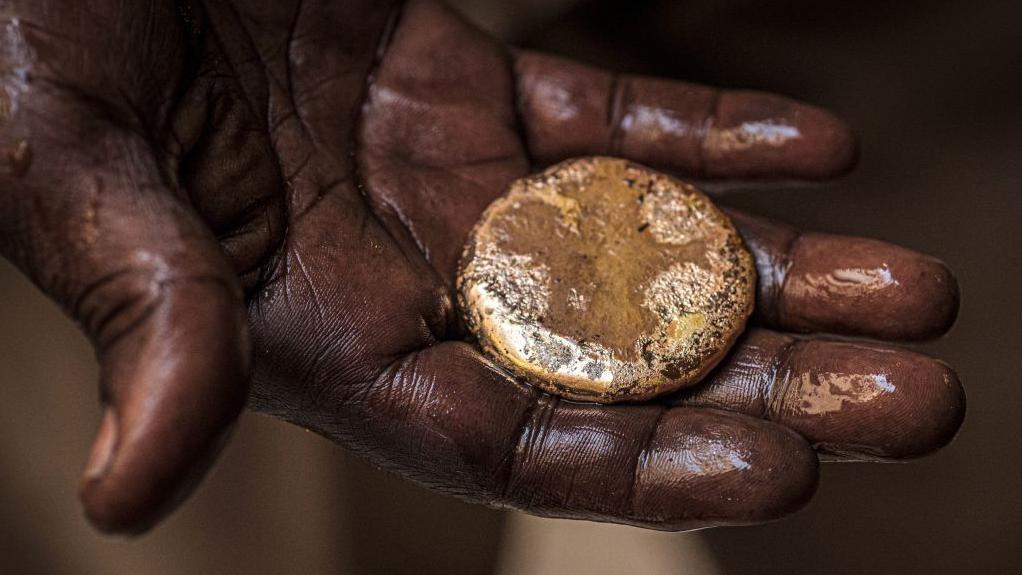
The streets of Khartoum — and Darfur, they’ve seen too much. And for too long, the glitter of gold, ripped from the earth, has greased the gears of chaos. This latest embargo, quietly enacted but with sharp teeth, aims to dry up one of the most reliable revenue streams for the warring factions tearing Sudan apart. You see, gold, it’s easier to smuggle than oil, simpler to convert than promises, and far more liquid than any national currency caught in a collapsing state.
Officials in Brussels, often accused of moving with the glacial speed of continental bureaucracy, say this time, they’ve got their eye on the prize. “We can’t stand idly by,” a spokesperson for EU foreign policy chief Josep Borrell told Policy Wire, requesting anonymity to discuss the sensitivity of financial measures. “The cost in human lives in Sudan is simply too immense for us to continue indirectly funding this devastation. Our actions are designed to ensure accountability, even if it’s painful.” They’re trying to turn off the spigot, plain and simple.
But cutting off this flow? That’s harder than it sounds. Reports indicate that more than 85% of gold from Sudan is smuggled out of the country, according to a Reuters report citing Sudanese government sources. Think about that for a second. Eighty-five percent—that’s practically an open invitation for illicit dealings, an economy built on shadows, far from any official ledger. This gold, it often bypasses formal channels entirely, making its way through a sprawling network that spans borders, often ending up in hubs where documentation is, shall we say, optional.
And where does much of that unofficial gold often land? In markets less particular about its provenance. Many routes snake through the Gulf states, with destinations reaching onward to South Asia, a major market for the precious metal. Pakistan, for instance, has a significant gold trade, both formal — and informal. While not directly implicated in illicit Sudanese gold, the existence of such robust regional markets makes tracking, and thus deterring, the conflict-fed trade incredibly complex. It’s a game of global hide-and-seek, — and the players are often highly sophisticated.
📄 POLICY WIRE WHITEPAPER PUBLISHED: PAKISTAN'S NATIONAL SECURITY POLICY PRIORITIES
👉 READ BY CLICKING HERE“Look, the sanctions might make it tougher, yeah,” said Dr. Ali al-Jazuli, an economic analyst specializing in the Horn of Africa, reached in Cairo. “But the warlords, they don’t exactly use Mastercard. They’ve been playing this game for years, diverting wealth—be it gold, livestock, whatever—away from state coffers and into their own. They’ll find new buyers. They always do. What about the ordinary folk? They’ll just suffer more, won’t they?” His cynicism isn’t misplaced; it’s born of hard experience.
This isn’t Europe’s first rodeo with resource-based sanctions, nor will it be the last. The logic, of course, is that choking off the financial artery of the conflict will force combatants to the negotiating table. Or, at the very least, make their brutal enterprises far more expensive to run. It’s a humanitarian play dressed in economic attire, — and frankly, what choice do they’ve left?
What This Means
The EU’s gold ban on Sudan is more than a symbolic gesture; it’s an acknowledgment of gold’s role as a potent destabilizer and a fluid source of conflict finance in many parts of the world—not just in Africa, but extending to areas grappling with similar mercenary dynamics and illicit economies. Economically, expect Khartoum’s transitional government—what’s left of it that’s not actively fighting—to feel an intense pinch on official revenues, however meager they were before. This could exacerbate an already catastrophic humanitarian crisis, creating even deeper instability as legal economic activity falters. Politically, the ban sends a clear message that Europe won’t legitimize gold exports tied to the warring generals. But, and this is the rub, its effectiveness hangs entirely on rigorous enforcement, cooperation from key regional actors—particularly those in the Gulf and parts of Asia that often serve as transshipment points or end markets for such commodities—and the ingenuity of those determined to circumvent the rules. It could splinter the trade, pushing it deeper underground, making it even harder to track. Or, just maybe, it might actually make those on the ground realize the game isn’t worth the candle anymore. A big ‘if,’ isn’t it?