The Global Surcharge: What Expensive Tourist Visas Say About Europe’s ‘Open Door’ Illusion
POLICY WIRE — BRUSSELS, Belgium — For European citizens, the notion of seamless, boundless travel across continents often feels like an unspoken right. After all, a passport from many an EU nation is...

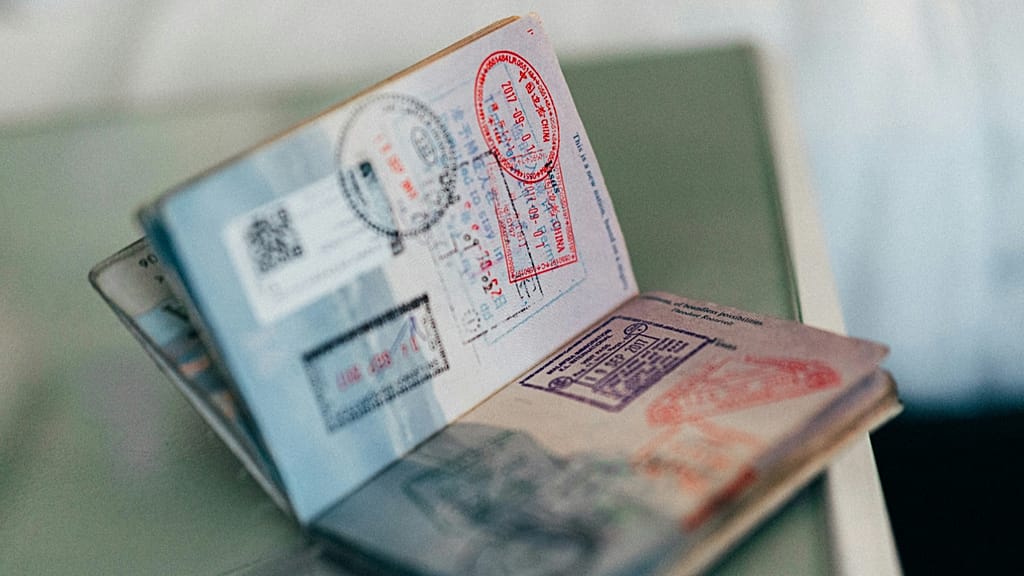
POLICY WIRE — BRUSSELS, Belgium — For European citizens, the notion of seamless, boundless travel across continents often feels like an unspoken right. After all, a passport from many an EU nation is generally regarded as one of the world’s most potent keys, unlocking borders with enviable ease. But scratch beneath that gleaming surface, past the effortless Schengen jaunts, and you’ll find a far grittier, much pricier reality. Turns out, this ‘open door’ world for Europeans comes with some seriously hefty toll booths once you venture far enough beyond familiar turf. It’s not just a vacation cost; it’s a political statement wrapped in bureaucracy.
Because while the Eurozone navigates its own internal dramas, the external world, it seems, isn’t always rolling out the red carpet without a significant monetary ask. And sometimes, these administrative fees — ostensibly for entry into a foreign land — can dwarf the price of a flight itself, throwing an icy bucket of economic realism onto dreams of far-flung adventure or crucial business endeavors. We’re talking about entry permits that run hundreds of euros, fundamentally reshaping travel patterns for millions who assumed their powerful passport meant universal VIP access.
It’s not about security, not always. Often, it’s a blunt instrument of reciprocity, or just plain old revenue generation, from nations less concerned with facilitating budget tourism for visitors from Brussels or Berlin. Take Ghana, for instance, where an EU citizen can fork over upwards of €140 for a tourist visa. That’s a good chunk of change. And then you’ve got countries like the Democratic Republic of Congo or Angola, with fees easily soaring above the €200 mark. That’s a serious barrier for your average traveler. The idea that EU citizens are somehow universally privileged simply isn’t holding up once they encounter these financial gates.
“We continuously advocate for balanced visa policies with our international partners,” remarked Ylva Johansson, EU Commissioner for Home Affairs, during a recent closed-door briefing we managed to get a peek at. “It’s about fair treatment for our citizens, not just about their capacity to pay for basic access.” She’s got a point. Many European citizens likely expect smoother sailing.
But there’s also the flip side of this global mobility coin, which often gets ignored in discussions focused solely on what Europeans pay. Countries like Pakistan, for instance, struggle with reciprocal visa issues with the EU. Pakistani citizens face considerable hurdles and costs securing visas for Europe, often with stringent requirements and unpredictable processing times. It’s not just a money thing; it’s an entire system stacked against them. For many in the Muslim world, traveling west often entails not just significant financial outlay but also navigating complex, often demeaning, bureaucratic labyrinths, making any notion of ‘equal access’ feel like a cruel joke.
The average visa cost for EU citizens to some of these ‘high-fee’ nations now sits around 25% higher than five years ago, according to an unofficial survey by a global travel consultancy — a trend driven by geopolitical shifts and economic nationalism, not just inflation. This isn’t just about an exotic vacation; it’s about trade, cultural exchange, and human connection being filtered through an ever-more expensive sieve. Think about how that impacts a small business owner from say, Portugal, trying to scout opportunities in Kinshasa, or a Dutch academic hoping to collaborate in Accra. These aren’t inconsequential amounts. The sheer expense and administrative headache can simply make certain markets, certain collaborations, prohibitively difficult for small players. But there’s a principle involved, isn’t there?
📄 POLICY WIRE WHITEPAPER PUBLISHED: PAKISTAN'S NATIONAL SECURITY POLICY PRIORITIES
👉 READ BY CLICKING HERE“Our visa policy reflects national priorities—be that security, controlled tourism, or the cost of processing and managing visitors,” asserted Dr. Bilal Ahmed, Tourism Minister for [hypothetical ‘Republic of Khalon,’ an emerging economy often cited for stringent entry policies], during an interview with our correspondents. “It’s a sovereign matter, not simply a transactional expense that can be negotiated away with a stern letter from Brussels. Nations reserve the right to manage their borders and resources, and the costs associated with that management are passed along, as appropriate.” He isn’t wrong about sovereignty, but it sure makes globe-trotting pricey.
What This Means
This escalating cost of international mobility for EU citizens is far more than an inconvenience for holidaymakers; it’s a telling barometer of shifting global power dynamics. Economically, it signifies that certain developing nations are increasingly leveraging their access — however conditional — as a revenue stream, asserting a new form of economic nationalism that challenges the long-held supremacy of Western passports. Politically, it signals a quiet but firm resistance to the ‘soft power’ often exerted by Europe through assumed ease of access. When EU officials lament the lack of reciprocity, they’re touching on a broader issue: the diminishing returns of their diplomatic leverage in a multipolar world. It’s not just about what a passport allows you to do, but what other nations demand for the privilege of entry. this trend inadvertently creates an opaque barrier to cultural exchange and niche economic development, restricting access to markets and ideas beyond established trade routes. You can’t build bridges if you’re always stuck at an expensive toll booth. American professionals and others from developed nations face similar challenges, finding that old assumptions about open borders are increasingly challenged. But it’s also worth noting the inverse, the truly staggering challenges faced by countries often in the global south trying to gain entry to the perceived affluence of the EU – a story for another day, perhaps, but certainly linked to this very transactional world of border control.
So, the next time an EU citizen packs their bags for an off-the-beaten-path destination, they might not just be bracing for a culture shock, but for an unapologetic sticker shock too. The world’s not as flat as some would like us to believe, especially when it comes to the costs of crossing its many lines.