


The Brutal Exchange: Relegation’s Grim Reaper and the Global Bazaar for Football Talent
POLICY WIRE — London, UK — The London Stadium, once a proud Olympic venue, now echoes not just with chants, but with the clinking of loose change being desperately gathered. This isn’t just...

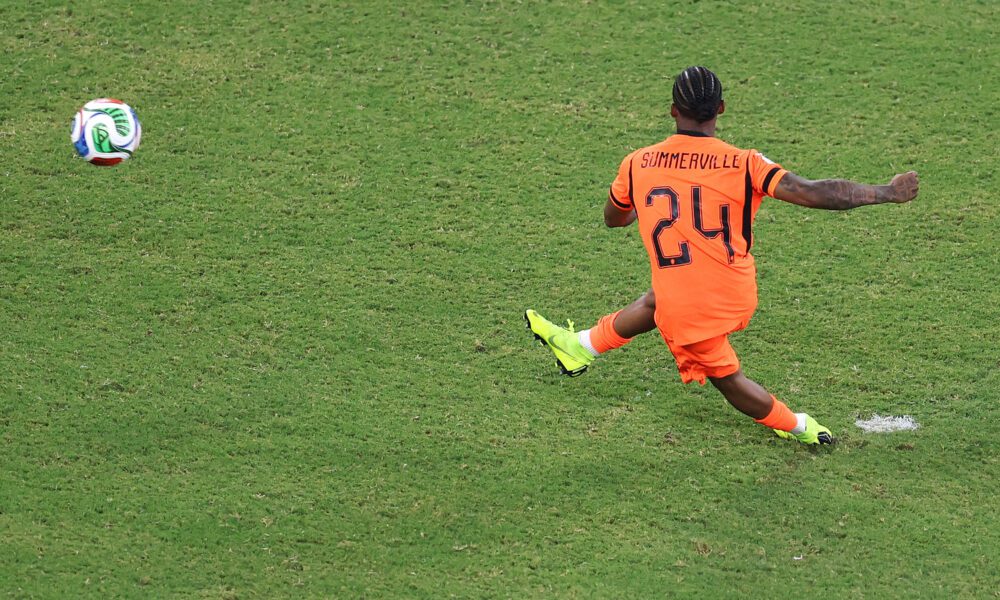
POLICY WIRE — London, UK — The London Stadium, once a proud Olympic venue, now echoes not just with chants, but with the clinking of loose change being desperately gathered. This isn’t just about football anymore, is it? It’s about balance sheets, shareholder patience, — and the cruel, inevitable gravity of relegation. For West Ham United, having stumbled out of England’s opulent top flight, the bill has come due, and it looks an awful lot like star winger Crysencio Summerville.
See, when a club drops into the second division, it isn’t just a blow to pride; it’s a financial gut punch. Your broadcast revenues shrivel. Sponsorship deals get awkward. And your most valuable assets, the players—well, they become liabilities unless you move them quickly. It’s a fire sale, pure and simple. And Summerville, a 24-year-old Dutch international who actually bothered to perform last season, he’s Exhibit A.
He’s good. Very good. Last season, for a team spiraling downward, he managed seven goals — and five assists across 34 appearances. The boy showed up. But sentiment doesn’t pay the bills. And now, the sharks are circling. From Serie A’s storied AS Roma to London rivals Tottenham Hotspur, Parisian giants PSG, and even Turkey’s boisterous Galatasaray, everyone wants a piece. It’s a bidding war, disguised as a rescue mission.
“Relegation doesn’t just strip you of Premier League riches; it forces a fire sale of your most valuable assets. It’s a bitter pill, but financial solvency sometimes demands cutting off a limb,” commented David Sullivan, West Ham Co-Chairman, sounding more like a CEO of a distressed asset fund than a football club owner. You get it, right?
The allure of clubs like Roma, with their historic gravitas and a certain José Mourinho mystique still lingering, remains potent. They aren’t just after a quick fix; they’re expanding their brand. The global pitch for these European powerhouses now extends far beyond traditional borders. And that’s where the wider lens comes in.
Consider the appeal of Galatasaray. Based in Istanbul, this isn’t merely a football club; it’s a cultural institution, a proxy for national pride across much of the Turkic and broader Muslim world. Its success isn’t just celebrated in Turkey, but it ripples through communities in places like Pakistan, where devotion to European football leagues can often surpass local allegiances. A star like Summerville joining Galatasaray would instantly elevate its profile across a significant, burgeoning market.
“The migration of top-tier football talent isn’t merely about sport; it mirrors the broader flow of global capital and cultural soft power. A player, particularly one with World Cup exposure, becomes an ambassador, an investment whose returns extend well beyond the goal line—think brand recognition, shirt sales in burgeoning markets from Cairo to Karachi,” remarked Dr. Aisha Khan, a political economist specializing in global sports marketing, on a recent Policy Wire podcast. She’s not wrong, you know. They aren’t buying feet; they’re buying influence.
📄 POLICY WIRE WHITEPAPER PUBLISHED: PAKISTAN'S NATIONAL SECURITY POLICY PRIORITIES
👉 READ BY CLICKING HEREBut back to West Ham’s predicament. They don’t just need to sell; they need to replace. Reports suggest Burnley’s Dwight McNeil is high on their list. He’s 26, entering his supposed prime, — and already has Championship experience. He’s dependable. But he’s hardly a like-for-like dazzler, is he? It’s a sobering reflection of reduced circumstances.
A 2023 study by football financial analysts at Deloitte highlighted the precarious nature of such descents, indicating clubs dropping from England’s top tier can see their operating revenues plummet by an average of 35-45% in the first season post-relegation. That’s why you’re seeing this sort of ruthlessness. It’s not just a rumour mill; it’s an economic imperative.
What This Means
The saga of Crysencio Summerville isn’t just a footnote in the summer transfer window; it’s a stark exposé of modern football’s cutthroat financial architecture. For West Ham, it represents the brutal pragmatism clubs face when ambition outstrips sustainable revenue. It highlights how quickly market value dictates policy, turning cherished assets into necessary sacrifices.
it paints a clear picture of the globalized nature of football talent — and fan engagement. Top European clubs aren’t just competing for domestic league titles; they’re vying for slices of the lucrative international viewership and merchandise markets, from London to Lahore. Transfers like this aren’t solely about bolstering a squad; they’re calculated brand expansion strategies. For players, it’s a career choice, yes, but for the clubs and their investors, it’s always about the bottom line and the perpetual struggle for relevance—both on the pitch and in the global economy. This isn’t just about Summerville moving; it’s about the systemic pressures shaping the very future of European football’s hierarchy. It’s always about more than just the game.