

Ocean’s Unruly Pulse: Record El Niño Threatens Cascading Crises Across East Africa and Asia
POLICY WIRE — Washington D.C., USA — The Pacific, that vast, indifferent expanse, is humming with an unsettling rhythm. It’s not the predictable tides or the distant rumble of tectonic plates....

POLICY WIRE — Washington D.C., USA — The Pacific, that vast, indifferent expanse, is humming with an unsettling rhythm. It’s not the predictable tides or the distant rumble of tectonic plates. It’s the building surge of an El Niño event—one that climate watchers are already branding historic. And the whispers coming from oceanographers aren’t just scientific curiosity; they’re premonitions of disaster for millions across two continents.
Because while most folks fret over fuel prices or inflation rates, a colossal shift in global weather patterns is gearing up to redefine humanitarian crises in swathes of East Africa and Asia. It’s an inconvenient truth, a slow-motion catastrophe driven by warmer waters that doesn’t just hit headlines once and then vanish. It entrenches itself, altering lives and livelihoods with the brutal finality of rising floodwaters and submerged fields. And this isn’t just another El Niño; we’re talking about a phenomenon reaching unprecedented thermal highs, signaling an impact potentially more severe than anything in recent memory.
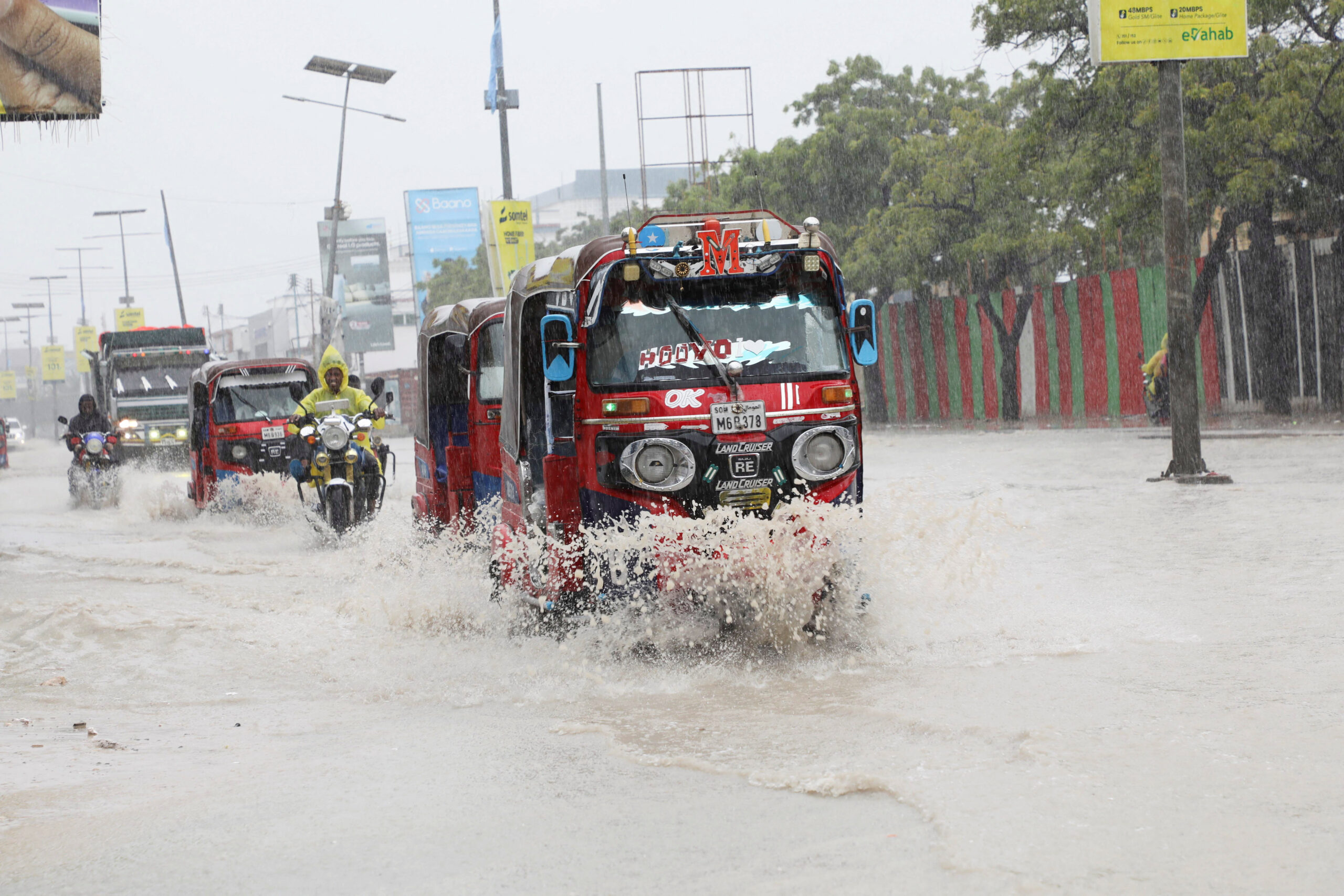
Consider the Horn of Africa, for starters. Just coming out of years of grinding drought that decimated livestock — and pushed communities to the brink. They don’t need rain—they need controlled, predictable hydration. Instead, this behemoth promises a deluge, turning parched earth into treacherous mudslides — and swamped settlements. Experts are concerned about [QUOTE_PLACEHOLDER]. One aid worker, with decades on the ground, lamented the impossible position it places already fragile states in, telling us, [QUOTE_PLACEHOLDER]. It’s a cruel irony, isn’t it, to swing from famine to flood in such short order?
But the ocean’s temper doesn’t discriminate. Across the Indian Ocean, South Asia—particularly countries like Pakistan, India, and Bangladesh—is also bracing for the backlash. Monsoons are already volatile enough without an atmospheric turbo-boost from a record El Niño. Picture swollen rivers, the kind that turn fertile plains into inland seas, wiping out ready-to-harvest crops and displacing untold numbers of people. Infrastructure, often already strained, won’t stand a chance against what’s coming. Think of Karachi or Dhaka, massive metropolises already grappling with urban drainage nightmares—now add several feet of unexpected rainfall.
It’s not hyperbole to suggest we’re looking at significant societal disruption. The United Nations Office for the Coordination of Humanitarian Affairs (OCHA) estimates that historical El Niño events have displaced over 10 million people globally and incurred economic losses in the tens of billions of dollars. This one, projected to be even stronger, well, it could set new grim records for displacement — and economic wreckage. Governments, even those with substantial resources, will struggle to manage the scale of the immediate aftermath, let alone the lingering effects on agriculture and supply chains.
They’ve got a narrow window for preparations. Some nations are making noise about early warning systems and reinforcing critical infrastructure, but often it’s too little, too late. The sheer scale of what’s anticipated requires a degree of coordinated regional and international action that—let’s be honest—we rarely see materialize before a crisis hits. You see officials at press conferences, looking stern, promising rapid response. But when the waters actually rise, it’s typically individuals and local communities left to manage their own survival, often with hand-me-down sandbags and desperate pleas.
It’s not just the immediate flood, you know. It’s the subsequent ripple effects: disease outbreaks, food price spikes, potential resource conflicts. When millions become climate migrants, even temporarily, the existing social and political tensions within and between nations get stretched taut. One veteran hydrologist warned that [QUOTE_PLACEHOLDER]. But then, isn’t that always the way? Humanity seems to require a splash of cold water, or in this case, a massive flood, before truly acknowledging the handwriting on the wall.
What This Means
The political implications here are stark — and multifaceted. For East African nations, already grappling with regional conflicts and food insecurity, widespread flooding means an instant surge in internally displaced persons and likely cross-border refugee movements. This places immense pressure on an already overstretched humanitarian architecture and could ignite fresh disputes over dwindling resources. Governments will face intense public scrutiny over their preparedness and response, potentially destabilizing leadership in countries where legitimacy is often precariously balanced. It’s a recipe for deepened political fragilities — and heightened insecurity across the entire region.
Economically, the impact will be devastating. Agricultural losses will cripple rural economies, driving up food import needs and inflation, hammering purchasing power. Rebuilding infrastructure—roads, bridges, power grids—will divert precious public funds from development initiatives, setting back growth prospects for years. Consider Pakistan, which is highly sensitive to external shocks due to its heavy agricultural sector and precarious economic state. Massive flooding there could undo any recent gains, pushing millions more into poverty and threatening its already shaky economic recovery. But then, countries reliant on seasonal rains are just always gonna get hammered by these shifts, aren’t they?
And let’s not forget the geopolitical fallout. Wealthier nations will be called upon for significant aid, placing new demands on strained international budgets at a time when other global crises compete for attention. Failure to adequately respond could exacerbate anti-Western sentiment and provide new fodder for extremist narratives, capitalizing on a sense of abandonment. But hey, it’s not like the world’s great powers don’t have enough on their plate already. It’s just another item to toss onto the overflowing global agenda, hoping it doesn’t sink everything else along with it. And it probably won’t be the last, either.