


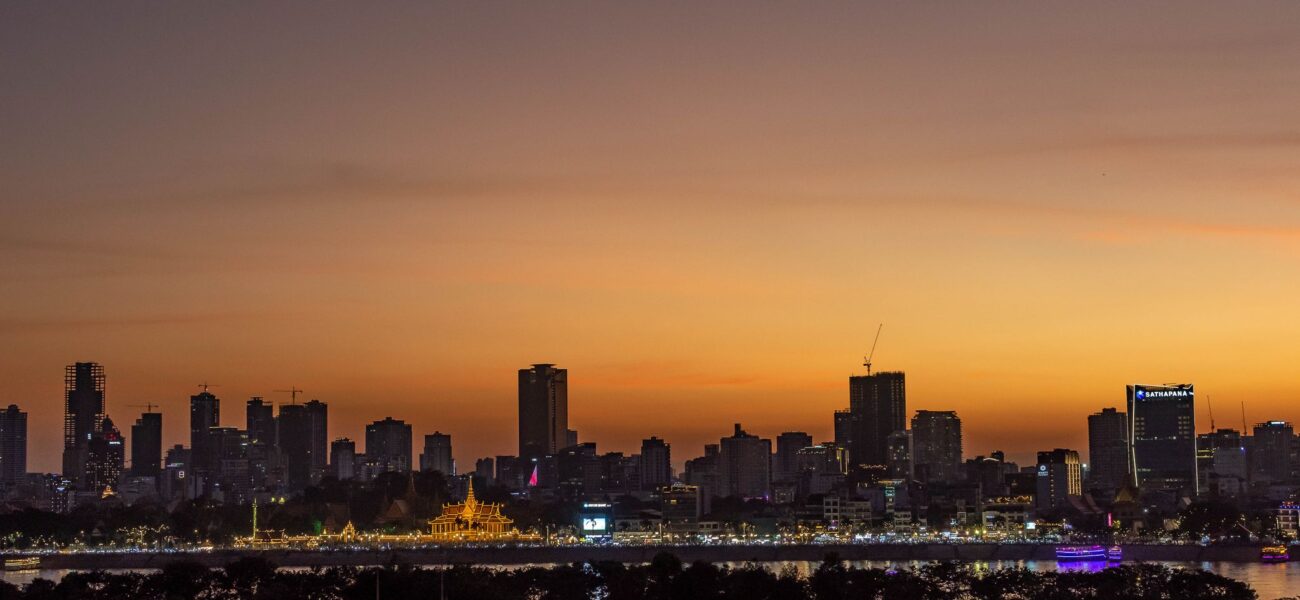
Cambodia’s Silent Shores: When Festival Fireworks Give Way to Fiscal Fret
POLICY WIRE — Phnom Penh, Cambodia — The river, they say, will always flow. But in Cambodia, this year, its celebrated banks will be remarkably quiet. The annual Bon Om Touk, the Water Festival—a...

POLICY WIRE — Phnom Penh, Cambodia — The river, they say, will always flow. But in Cambodia, this year, its celebrated banks will be remarkably quiet. The annual Bon Om Touk, the Water Festival—a raucous, three-day explosion of boat races, parades, and revelry that draws millions to Phnom Penh—has been called off. No official parades. No grand ceremonies. Just the unspoken hum of a nation tightening its belt, a move that speaks volumes about regional anxieties far beyond the Mekong.
It’s not just a canceled party, is it? It’s a barometer dropping, dramatically. For decades, the festival symbolized the Kingdom’s cultural pride and, increasingly, its economic buoyancy, attracting droves of tourists and pumping life into the local economy. But this year, the coffers aren’t brimming; the global visitor numbers aren’t cooperating. This stark decision, ostensibly for economic frugality, offers a dry, unvarnished look at the precarious footing many tourism-dependent nations—especially those still navigating post-pandemic tremors—find themselves on.
“It’s a decision born of hard realities, not preference. We can’t pretend that robust tourist numbers materialize from thin air, particularly when global discretionary spending tightens its belt,” explained H.E. Thong Khon, Cambodia’s Minister of Tourism, in a recent Policy Wire exclusive, his tone carefully calibrated. “We’ve got to prioritize sustainable growth, you know, rather than fleeting spectacles.” It’s a practical take, yes. But you can’t help but feel the bite of it.
Because while the government publicly cites budgetary prudence and shifting priorities, the truth hits closer to the bone. Cambodia’s tourist arrivals, according to preliminary figures from its Ministry of Tourism, have plummeted by over 70% compared to pre-pandemic highs, a drop steeper than many regional neighbors. And that kind of sustained loss? It’s corrosive. It drains small businesses. It makes grand public displays look tone-deaf, perhaps even insulting, to a populace that’s genuinely struggling.
This situation in Southeast Asia isn’t isolated, by the way. Look across the map. Many nations from Malaysia to Morocco, often grappling with the delicate dance between global commerce and local impact, face similar dilemmas. The pressures aren’t just external, either. They’re woven into internal political calculations. As governments weigh their spending, the allure of quick foreign capital often comes with hidden strings, making even culturally important decisions like this feel less about the people and more about the books. It makes you think about how countries often become silent scapegoats in bigger global economic games, not unlike the dynamics surrounding issues like recycling’s raw realities for Asian nations.
Even traditionally resilient Muslim-majority nations in the wider Asian sphere, some like Indonesia or Pakistan, have experienced the sharp sting of unpredictable global travel patterns and fluctuating investment climates. Their economies, too, are sensitive. So when Phnom Penh makes a move like this, it reverberates. It’s a sign. And it certainly isn’t lost on the financial districts of places like Dubai or Riyadh, where investment in Southeast Asian tourism infrastructure has been a significant — and occasionally fickle — play.
Phay Siphan, a Royal Government of Cambodia spokesperson, tried to put a gloss on it, naturally. “The government’s priority remains the long-term health of our people — and economy. Every dollar, every effort, must serve that larger objective, ensuring stability even if it means foregoing traditional displays of cultural vibrancy for a single season.” But that “single season” phrasing, it’s a bit hopeful, don’t you think? History shows that such “single season” sacrifices often extend far longer than anyone initially predicts, especially when bigger economic currents refuse to ebb.
📄 POLICY WIRE WHITEPAPER PUBLISHED: PAKISTAN'S NATIONAL SECURITY POLICY PRIORITIES
👉 READ BY CLICKING HEREWhat This Means
The cancellation of Cambodia’s Water Festival isn’t merely an economic footnote; it’s a political tremor that exposes the deep-seated vulnerabilities of states heavily reliant on tourism and external economic forces. Politically, it signals a government prioritizing fiscal prudence and perhaps stability over potentially unpopular — but symbolically important — cultural expenditure. It’s a classic authoritarian maneuver, really: consolidate resources, minimize public gatherings that could unpredictably coalesce sentiment, and project an image of sober, responsible leadership during lean times. Economically, it paints a grim picture. Reduced tourism isn’t just lost revenue; it’s an erosion of small-to-medium enterprises, job losses for informal sector workers, and a direct hit to the consumption engine that powers local markets. It’s a tacit admission that global tourism, often seen as a panacea for developing economies, remains fragile and susceptible to geopolitical shocks and shifts in international consumer confidence. The irony, of course, is that in a bid to stabilize, they risk stripping away precisely the elements that make Cambodia attractive to those same tourists in the first place: its unique, vibrant culture.
What’s next? Hard to say. It’s a gamble, cutting something so fundamental. They’re banking on a faster, more substantial recovery than what they’re currently seeing. We’ll find out if that wager pays off.