

New Mexico Braces for Monsoon Deluge, a Tiny Echo of Global Water Woes
POLICY WIRE — Albuquerque, U.S. — Out in the arid heart of the American Southwest, where dust storms are a seasonal performance and the sun bakes everything to a crisp, a peculiar kind of anxious...

POLICY WIRE — Albuquerque, U.S. — Out in the arid heart of the American Southwest, where dust storms are a seasonal performance and the sun bakes everything to a crisp, a peculiar kind of anxious hope has taken root. It’s not about election results or stock market volatility; no, it’s about rain. Just rain—but in New Mexico, when that rain arrives with the monsoon, it carries the weight of an entire ecosystem. This isn’t simply another weather report. This is a forecast etched onto the very landscape, determining whether crops fail, fires rage, or reservoirs swell, an annual high-stakes gamble whose outcome feels increasingly uncertain.
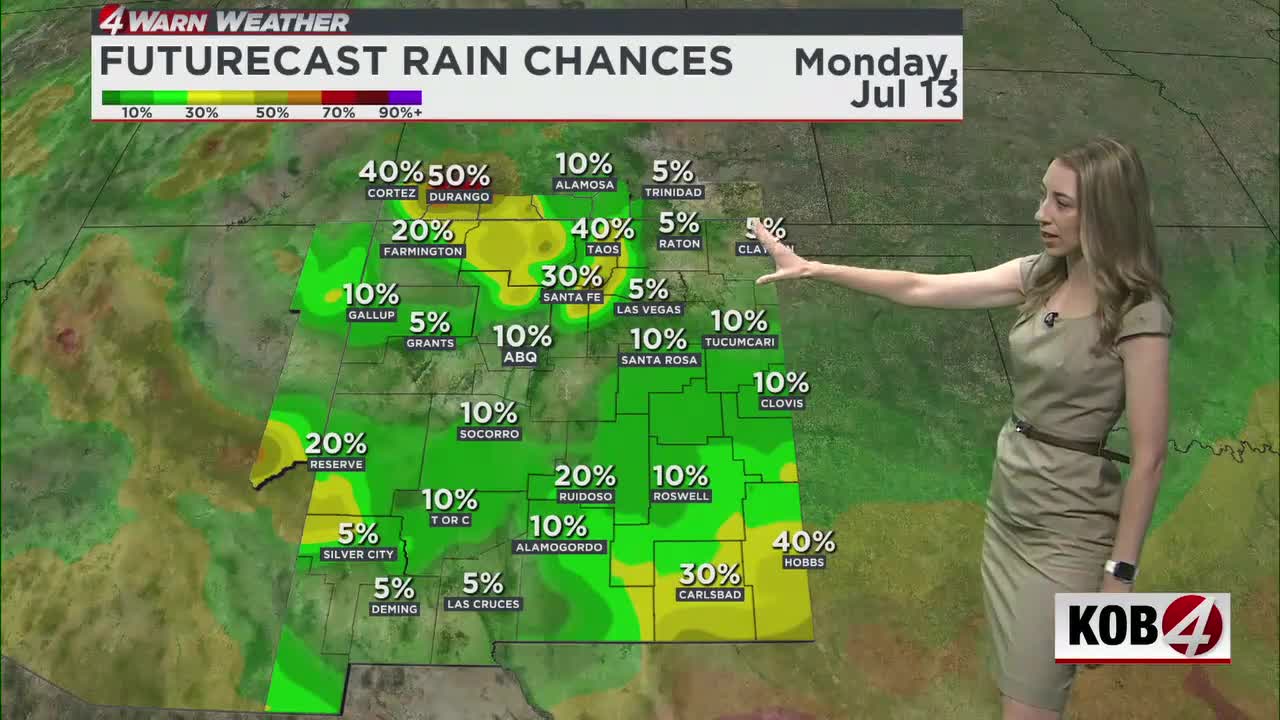
It’s an age-old dance, this summer monsoon, but its rhythm feels… off. Or maybe it’s just the memory of what feels like endless drought. But this week, at least, meteorologists are telling a different story, one of moisture — and impending relief. After what often feels like forever, the desert is about to get a good drenching. Policy Wire can confirm the official line: [QUOTE_PLACEHOLDER] Pretty much every day. Think about that for a parched landscape.
The anticipation is palpable across the state, even as officials eye the skies with a mix of gratitude and genuine apprehension. You see, the kind of rain that can save a harvest can also, in short order, carve new arroyos and swamp urban areas—it’s always a tightrope walk. Folks in the northwestern and southern parts of New Mexico are first up on the meteorological chopping block, or, perhaps, the blessed receiving end. For today, [QUOTE_PLACEHOLDER] We’re talking about atmospheric physics here; it’s elegant in its savagery.
The moisture’s origin? Not some mystical cloud seeding operation (that’d be too easy). It’s raw, unfiltered tropical energy, dragged from the Gulf of Mexico. This [QUOTE_PLACEHOLDER] And it’s not just a drizzle-maker; [QUOTE_PLACEHOLDER] So, yeah, bring a raincoat—and maybe an ark. The implications are clear: relief from relentless heat, a fighting chance for thirsty vegetation, and, naturally, [QUOTE_PLACEHOLDER] It’s the cycle of life out here; drought’s grim companion is always flash flooding.
And yet, nature, bless its heart, rarely offers an unblemished gift. As some parts of the state prepare for a soaking, others get the short end of the stick. [QUOTE_PLACEHOLDER] It’s a border dispute, airborne — and utterly merciless. That dry air? [QUOTE_PLACEHOLDER] Meaning, for those folks, [QUOTE_PLACEHOLDER] Ouch. Some of that drier air is even gonna spill into Albuquerque, keeping things [QUOTE_PLACEHOLDER] A bittersweet pill for a city desperate for precipitation. But then, as ever, a bit of hope: [QUOTE_PLACEHOLDER] Sprinkles, in the desert, feel like a benediction.
But the real good news? It’s sticking around. [QUOTE_PLACEHOLDER] This means cooler heads will prevail, meteorologically speaking. Temperatures, which have been running a bit hot—[QUOTE_PLACEHOLDER] with most of the state hovering [QUOTE_PLACEHOLDER]—will start to come back down. For high-altitude towns like Ruidoso, they’re only going to warm up into the 70s. The hope is that [QUOTE_PLACEHOLDER]
The situation in New Mexico, though localized, isn’t just some quaint regional weather story. It’s a microcosm of a much larger, increasingly complex global predicament. From the parched farms of Balochistan, Pakistan—a region itself no stranger to the whims of its own potent monsoon—to the drying rivers of the Indus Valley, reliable water is becoming an elusive luxury, a bargaining chip in geopolitical plays, and a constant, existential dread for billions. Just as New Mexicans depend on their summer deluge to stave off wildfire and nourish crops, agricultural heartlands across South Asia live or die by the health of their monsoons. Consider Pakistan’s water infrastructure: it can store only about 30 days’ worth of water, a dangerously low capacity, according to a 2018 report by the International Monetary Fund. That makes the timely and appropriate arrival of its monsoons, without devastating flooding, an absolute imperative for survival, much like New Mexico’s farmers eye every cloud.
What This Means
The monsoon season in New Mexico isn’t just about umbrellas — and muddy shoes. It’s a barometer for the region’s economic — and political health, subtle though its implications may seem. On one hand, a robust monsoon replenishes vital groundwater and reservoir levels, mitigating the severe drought conditions that plague the state—conditions that put immense pressure on agricultural sectors, drive up food costs, and necessitate emergency legislation for water conservation. But a monsoon that’s *too* robust, delivering deluge rather than measured blessing, sparks immediate infrastructure concerns. Flash floods devastate roads, displace communities, and incur significant repair costs, diverting state funds from other pressing social programs.
Politically, the handling of water resources in New Mexico is a perennial hot potato. Local and state officials are constantly navigating delicate interstate water compacts and battling with various user groups—farmers, cities, indigenous communities—each vying for their share of an increasingly scarce resource. A good monsoon temporarily defuses some of these tensions, allowing policymakers a brief reprieve. A poor one, conversely, cranks up the pressure, potentially leading to lawsuits — and intensified lobbying efforts. For instance, debates surrounding the expansion or modernization of water management systems, like those discussed in proposals to shore up defenses against severe weather events, gain urgent traction during periods of water stress or excessive rainfall. It’s a nuanced dance—the politicians watch the rain, and the public watches them. But with climate models predicting more erratic and intense weather patterns globally, New Mexico’s seasonal moisture becomes a highly charged issue, influencing everything from energy policy to rural development initiatives. There’s big money, — and bigger politics, in every drop that falls.