


Rethinking Cultural Diplomacy: Albuquerque’s Mariachi Moment and Global Soft Power Plays
POLICY WIRE — Washington, D.C. — While heads of state grapple with tariffs, trade deficits, and the persistent phantom of proxy conflicts, a far more nuanced — some might say effective — form of...

POLICY WIRE — Washington, D.C. — While heads of state grapple with tariffs, trade deficits, and the persistent phantom of proxy conflicts, a far more nuanced — some might say effective — form of influence quietly unfolds on municipal stages. It’s not always about missiles or monetary incentives. Sometimes, it’s just music. Think about it: cultural phenomena, seemingly innocuous, can paint entire regions with a particular hue, crafting narratives that economic policy papers often can’t.
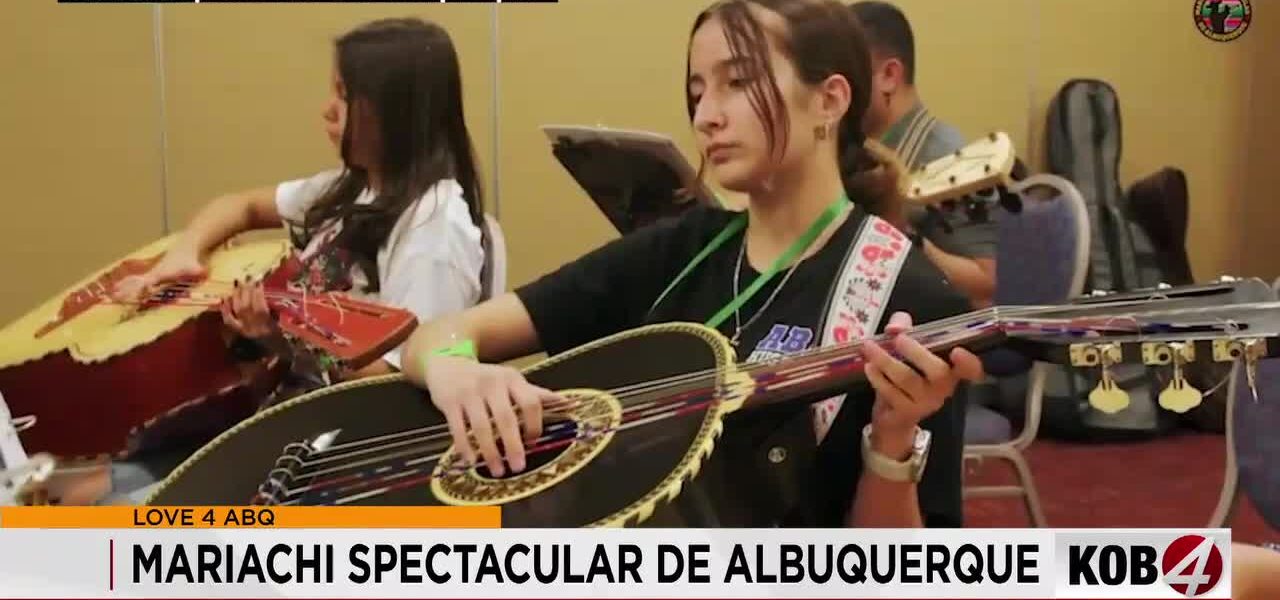
Down in Albuquerque, New Mexico, this isn’t some high-minded academic abstraction. It’s live, loud, — and set to commemorate a significant milestone. They’re getting ready for the 35th anniversary of the Mariachi Spectacular de Albuquerque, an event that, on the surface, just celebrates a beloved musical genre. But scratch a bit deeper, and you’ll find a microcosm of how regional identities project outward, influencing perception and, frankly, money streams. [QUOTE_PLACEHOLDER]
And yes, the locals, bless their hearts, do seem to think mariachi is taking over Albuquerque and you can tell by the name it’s spectacular. That’s an unfiltered local sentiment, isn’t it? It reflects a genuine civic pride, something any city council member, from Islamabad to Islamabad, would love to bottle and sell. But the impact of such long-standing cultural institutions stretches beyond a simple annual shindig. It molds identity. It shapes tourism. It even, indirectly, plays a part in a global dialogue about cultural appropriation versus appreciation—a topic many of our policy wonks rarely give a second thought to, but one that simmers beneath the surface in various diasporas.
It’s about understanding cultural flows. These aren’t just local concerts; they’re nodes in a global network. When you’ve got something like this kicking off on Saturday, July 11 at Sandia Resort & Casino from 6:30 p.m., with such enduring momentum, you have to ask yourself: what’s the strategic takeaway here? Is it a template for other cultural exports? Does it subtly reinforce a specific regional narrative of border communities — and their intricate cultural hybrids?
For one, look at the economics of it. These events don’t run on good vibes alone. They require sponsorship, infrastructure, marketing. Jeanette Salazar, a key figure in this cultural machinery, wouldn’t be talking about an anniversary this long-standing without significant logistical scaffolding. There’s a tangible economic ripple, from hotel bookings to restaurant revenue. Last year, the Albuquerque Convention and Visitors Bureau reported an estimated 8% increase in Q3 tourism directly attributable to cultural events and festivals, an impressive figure that certainly caught local officials’ attention.
But the broader implications? They’re fascinating. Consider Pakistan, for instance, a nation striving to define its own cultural export narrative amidst more challenging geopolitical headlines. Its vibrant folk music, Sufi poetry, or even specific regional crafts could, with the right institutional backing and marketing, achieve a similar domestic veneration and international recognition. You’d think they’d learn a thing or two from America’s cultural reach, where something as specific as mariachi can become a fixture for decades.
📄 POLICY WIRE WHITEPAPER PUBLISHED: PAKISTAN'S NATIONAL SECURITY POLICY PRIORITIES
👉 READ BY CLICKING HEREYet, there’s a delicate balance. The globalization of any cultural art form always brings with it questions of authenticity — and marketability. Is it preserved, or is it, for lack of a better word, gentrified? That’s a debate that extends from the smallest town square all the way to global intellectual property forums, even if the folks at the 35th anniversary of the Mariachi Spectacular de Albuquerque are mostly concerned with hitting the right note and perhaps keeping a sombrero from blowing off in the New Mexico wind. Because sometimes the real story isn’t the grand policy declaration, it’s the quiet hum of a three-stringed guitar that echoes longer than any speech.
What This Means
This enduring celebration in Albuquerque isn’t just local entertainment; it represents a powerful, if often unacknowledged, facet of cultural diplomacy. Its 35-year longevity demonstrates how sustained investment in specific cultural forms can yield significant dividends, both economic and in terms of community identity. For cities or even nations looking to foster a distinct public image—or diversify their economic base away from traditional sectors—these kinds of sustained cultural events are like soft power reservoirs. They attract tourism, stimulate local economies, — and project a specific brand of regional identity onto a larger stage. It’s less about hard-nosed negotiations and more about subtle influence, the kind that shapes perception over generations rather than quarters.
However, it also hints at the complexities inherent in such endeavors. While Albuquerque embraces this heritage, countries like Pakistan face challenges in showcasing their own incredibly rich musical and artistic traditions on a global scale. Pakistan’s cultural legacy, from classical ghazals to vibrant Qawwali, could stand as powerful cultural ambassadors. But they’re often overshadowed by regional instability or an international media focus on security issues rather than creative expression. It means that effective cultural diplomacy isn’t just about having the art; it’s about having the stable societal frameworks, institutional support, and sustained promotional efforts—even during tough times—to let that art shine and truly impact global perception. For policymakers everywhere, the lessons from a desert city’s commitment to a distinctive musical genre might just be more insightful than another round of think tank reports.