

Powder Keg on Water: Hormuz Blazes as Tanker Attacks Stoke Gulf’s Familiar Fire
POLICY WIRE — Washington, D.C. — It’s a slim sliver of water, really, a 21-mile gauntlet nestled between Oman and Iran. But through it squeezes an economic lifeline so potent that when its surface...

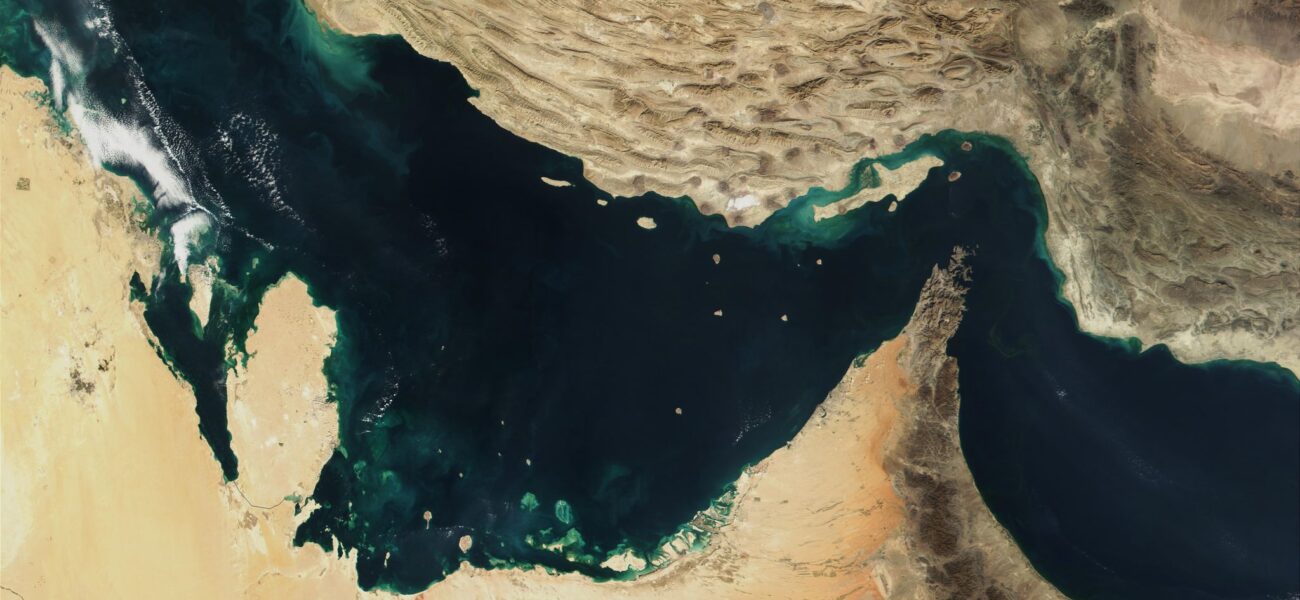
POLICY WIRE — Washington, D.C. — It’s a slim sliver of water, really, a 21-mile gauntlet nestled between Oman and Iran. But through it squeezes an economic lifeline so potent that when its surface ripples with conflict, the world feels it in its gas tank and stock portfolios. We’re talking about the Strait of Hormuz, that enduring powder keg of global trade, now once again flashing red after the United Arab Emirates didn’t just point fingers, but aimed a cannon, right at Iran.
It isn’t news, not really, when tensions simmer in the Persian Gulf. It’s more like an ambient hum, a persistent drone that occasionally ratchets up to a piercing shriek. And now? It’s shrieking. The UAE’s calm, measured accusation—that Iran orchestrated attacks on two tankers operating within the strategic waterway—sends a shiver down the spine of anyone remotely familiar with the region’s penchant for spiraling unpredictability. It’s an old story, sure, but the stakes here? They just keep climbing.
But let’s be straight: this isn’t just about oil tankers, not entirely. It’s about a delicate balance of power, a simmering proxy war, and an international community seemingly caught between condemning acts of aggression and desperately avoiding full-blown kinetic conflict. Because when tankers burn, the implications stretch far beyond insurance claims.
“These reckless provocations, designed to destabilize global commerce and maritime safety, cannot go unanswered,” stated Sheikh Abdullah bin Zayed Al Nahyan, the UAE’s Minister of Foreign Affairs, in what certainly wasn’t an off-the-cuff remark. “We will preserve regional peace through adherence to international law, but aggressors should make no mistake: our patience isn’t infinite.” It’s that careful blend of diplomatic firmness and veiled warning that’s become the diplomatic lingua franca of the Gulf. You get it.
And then there’s Iran, playing its familiar tune of outraged innocence. “These are transparent fabrications, perhaps even a false flag operation designed to demonize our nation and escalate regional tensions further,” countered Javad Zarif, Iran’s then-Foreign Minister, dismissing the allegations as utterly baseless. “The architects of such plots seek to drag the international community into another pointless, devastating war.” It’s a deflection many saw coming, like sunrise, especially given Iran’s long history of denying actions attributed to it by Western and Gulf powers alike. It doesn’t mean it’s true, but you can’t say it’s surprising.
The numbers here tell a brutal tale. According to the U.S. Energy Information Administration (EIA), roughly 21% of global petroleum liquids consumption—nearly 21 million barrels a day—passed through the Strait of Hormuz in 2018 alone. Disrupt that, even a little, — and you’re not just messing with oil prices. You’re messing with literally everything, from food prices to factory output worldwide. And a full-scale shutdown? Don’t even go there. The very notion triggers market tremors across continents.
📄 POLICY WIRE WHITEPAPER PUBLISHED: PAKISTAN'S NATIONAL SECURITY POLICY PRIORITIES
👉 READ BY CLICKING HEREThis incident also reverberates profoundly throughout the wider Muslim world, hitting nations like Pakistan especially hard. An already fragile economy, battling inflation — and energy scarcity, doesn’t need its primary oil artery throttled. Higher crude prices translate directly into steeper import bills, crippling subsidies, and inevitable civil unrest—a truly dangerous concoction. Regional instability here tends to ripple through South Asia, undermining efforts toward economic progress and regional cohesion.
But there’s more to this saga than just dollars — and oil, you see. There’s the grand, grim theater of geopolitical brinkmanship. One side — read: the U.S. and its allies — tries to isolate Iran through sanctions. The other side — read: Iran — seems intent on showing it can, indeed, bite back, and that its leverage, its one big card, is its geographical position, its grip on that maritime choke point. It’s a high-stakes poker game where the chips aren’t money, but global stability.
What This Means
This isn’t just another flare-up in a hot region; it’s a stark reminder that the Persian Gulf remains perpetually on the cusp of wider conflict. The UAE’s direct attribution escalates the diplomatic — and strategic game dramatically. It doesn’t just call out Iran; it tacitly dares the international community, — and especially the United States, to act. Economically, even the specter of sustained attacks could bake in a ‘risk premium’ into oil prices for the foreseeable future, creating inflationary pressures globally. For oil-importing nations, particularly in the developing world like Pakistan and Bangladesh, this means harsher fiscal realities, social discontent, and a scramble for alternative, pricier energy sources—a brutal double whammy for already strained economies. And politically? This incident cements Iran’s pariah status among its Gulf neighbors while simultaneously hardening its resolve against perceived Western aggression. The world might just get used to these episodic disruptions as the ‘new normal,’ but it won’t make them any less dangerous, or any less destabilizing. Trump’s past fiery rhetoric regarding Iran, too, plays into this broader narrative of enduring hostility, making any path to de-escalation a very narrow, rocky one.
No, this isn’t just about two ships — and a splash. It’s about an old rivalry, rekindled with frightening regularity, threatening to engulf an entire region and, quite frankly, impact every last one of us, whether we’re aware of the Strait of Hormuz or not. And that’s the truth of it.