
Europe’s Uneasy Conscience: Kallas Signals High-Stakes Israel Sanctions Debate, Exposing Deep Fault Lines
POLICY WIRE — Brussels, Belgium — It’s a familiar sight, really: the gears of European diplomacy grinding away, each cog a nation with its own priorities, its own history, its own conscience....

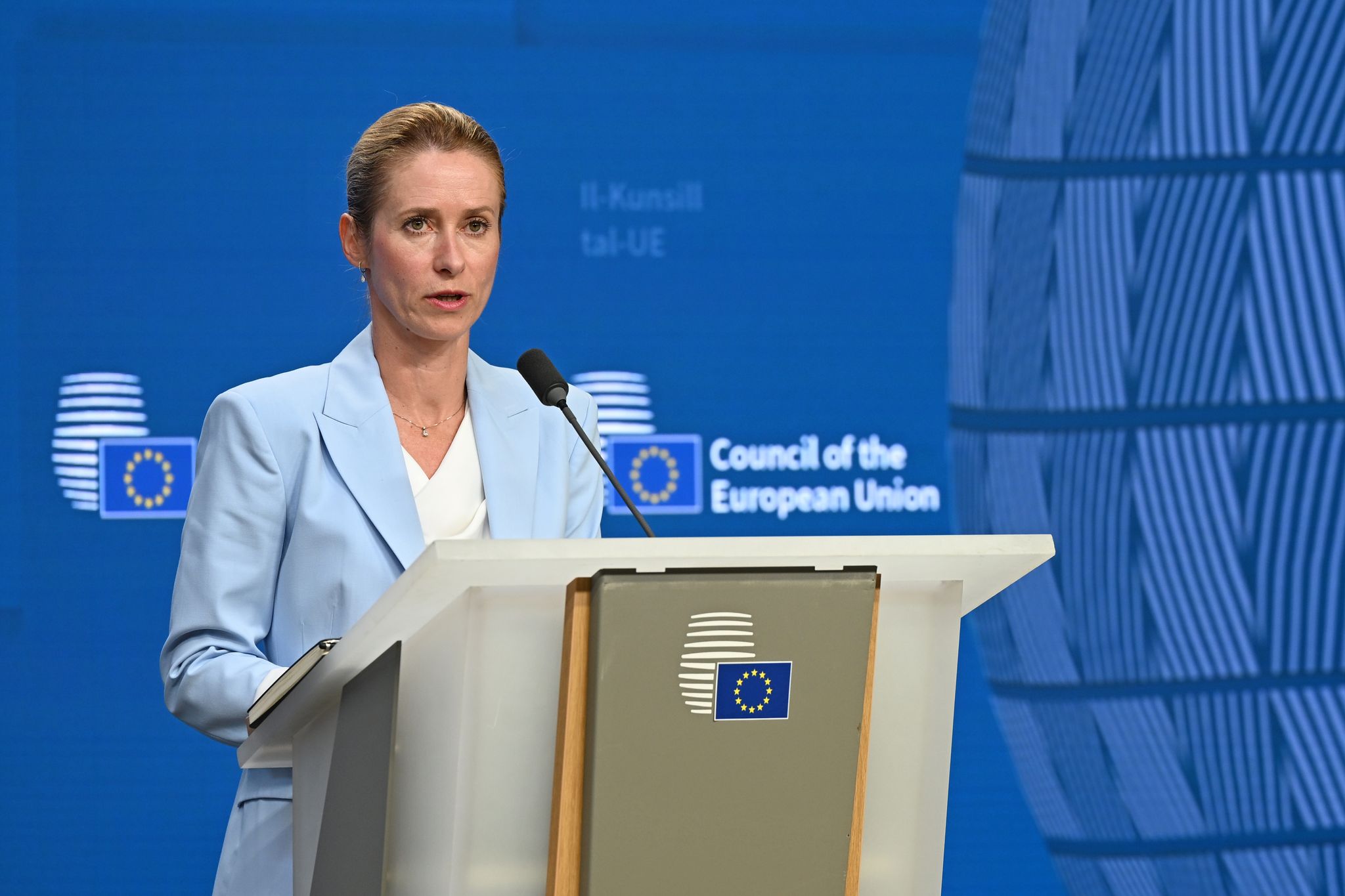
POLICY WIRE — Brussels, Belgium — It’s a familiar sight, really: the gears of European diplomacy grinding away, each cog a nation with its own priorities, its own history, its own conscience. And this week, the process just got a whole lot more visible, potentially more awkward, as the EU foreign policy chief, Kaja Kallas, appears ready to haul the bloc’s foreign ministers into an emergency huddle. The topic? Punitive measures against Israel. You don’t have to be a geopolitical wizard to see this isn’t just another agenda item; it’s a slow-motion car crash of differing viewpoints, domestic pressures, and—let’s be honest—historic allegiances.
It isn’t about some fresh diplomatic breakthrough, mind you. It’s about a reckoning. A moment where the EU, often lauded (or ridiculed, depending on your vantage) for its consensus-driven approach, faces a choice that’s ripped straight from the headlines. Sanctions aren’t exactly an everyday menu item—they signal a dramatic escalation. And Kallas’s contemplation of an extraordinary meeting on Israel sanctions
is less about unanimous condemnation and more about the delicate, often contradictory dance the continent performs on the global stage. It’s political theater, but with very real consequences for all involved. [QUOTE_PLACEHOLDER]
See, this isn’t some abstract concept for much of the world. From Ankara to Islamabad, observers in Muslim-majority nations have been tracking the European response to the Gaza conflict with a blend of expectation and deep skepticism. For countries like Pakistan, a strong voice in the Islamic world and one that’s often been critical of what it perceives as Western hypocrisy on human rights, any EU move—or lack thereof—is dissected. They’ve seen Europe’s swift, unified stance against Russia over Ukraine, for example. And they’re asking, quietly at first, but with increasing volume, why the approach feels different, more hesitant, when it comes to the Palestinian territories. It makes one wonder about the consistency of international justice, doesn’t it?
The push for such a meeting signifies more than just Kallas’s current thinking. It’s a barometer for the frustration simmering beneath the surface across several European capitals. Some members—Spain, Ireland, Belgium among them—have been vocal, advocating for a tougher line, echoing a growing humanitarian concern that’s hard to ignore. Others, however, Germany for instance, maintain a stance rooted deeply in historical guilt and steadfast support for Israel’s security. It’s a tension that always manages to boil over when events escalate in the Middle East. And let’s not forget the financial stakes. In 2023, EU-Israel trade hit approximately 35.8 billion euros, according to Eurostat data, a figure that certainly looms large in discussions about economic pressure.
But the real battle here might be internal, a struggle for the EU’s own moral compass. Because Europe’s leaders, for all their talk of shared values and multilateralism, often find themselves trapped in their national interests, or at least in what they perceive as their nation’s history. Kallas’s job? To try — and herd these very different cats into some semblance of unity. It’s a thankless task, probably. You just can’t please everybody, especially when emotions are running this high.
But this isn’t simply about right or wrong. It’s about political expediency, diplomatic optics, and the slow, agonizing process of building consensus in a union of 27 sovereign states. An extraordinary meeting, if it happens, won’t likely produce an immediate, seismic shift in policy. Instead, it will lay bare the chasm that already exists. It’ll showcase which members are willing to stake their reputations on a tougher stance and which are content to observe from the sidelines, or even actively block. It’s a game of chicken, frankly.
What This Means
The very consideration of an extraordinary meeting on Israel sanctions underscores the profound internal divisions gnawing at the EU’s foreign policy apparatus. Economically, even if enacted, initial sanctions might be symbolic rather than immediately crippling, especially given the established trade ties. But the political fallout could be immense, both within the bloc — and globally. Internally, it could deepen rifts between pro-Palestinian and pro-Israeli member states, hindering future collective action on other pressing issues. Externally, particularly in the Muslim world, such a meeting—or its failure to produce substantial action—will be interpreted through various lenses. For nations like Pakistan, where public sentiment heavily favors the Palestinian cause, European indecision or muted response only feeds into narratives of Western bias. Conversely, meaningful, coordinated EU action could, in the long run, bolster Europe’s standing as an independent actor, though it would undoubtedly strain relations with Israel and, perhaps, the United States. And for all the talk about European unity, sometimes the strongest statements are made in the nuances of deliberation, not just the thunder of agreement.