

New Mexico Braces: Monsoon’s Unsteady Return and the Desert’s Precarious Thirst
POLICY WIRE — Albuquerque, New Mexico — It’s a dry heat, they say, until it isn’t. After weeks of skies as brazenly clear as a banker’s conscience, New Mexico finally stares down the barreling...

POLICY WIRE — Albuquerque, New Mexico — It’s a dry heat, they say, until it isn’t. After weeks of skies as brazenly clear as a banker’s conscience, New Mexico finally stares down the barreling promise of its annual monsoon. But this isn’t some gentle summer shower. Oh no. We’re talking about that temperamental, fickle beast that decides, almost capriciously, where to deliver a life-saving drink and where to unleash absolute havoc.
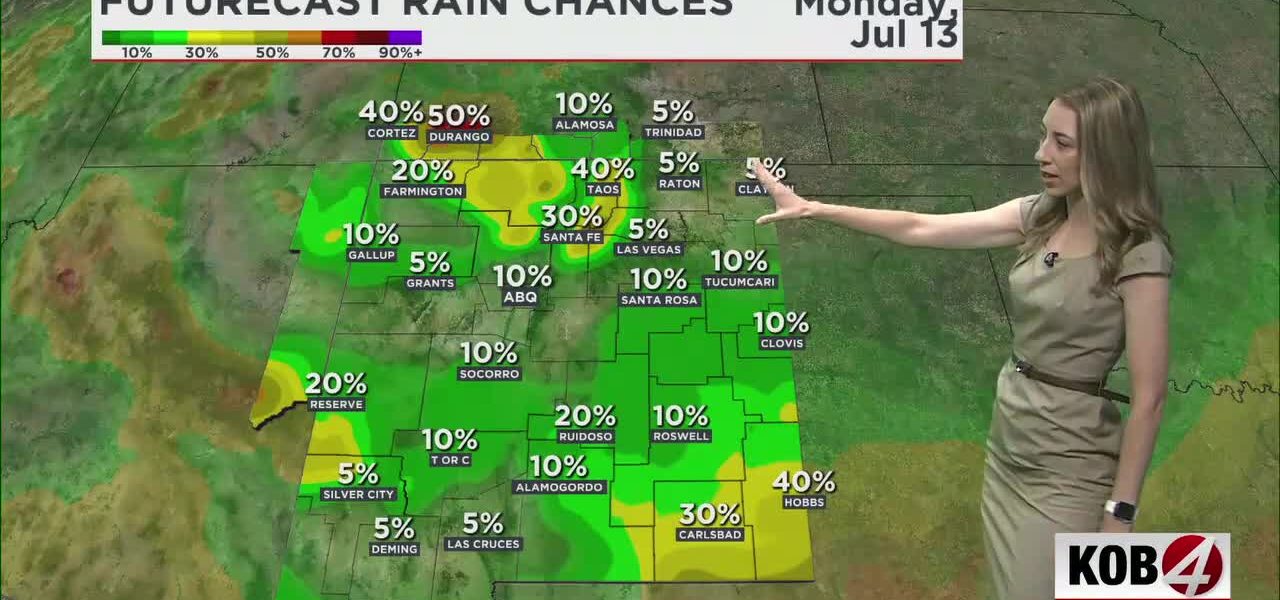
For days, you could feel it coming—that sticky, pre-rain clench in the air. Now, meteorological forecasts, usually delivered with all the verve of a tax audit, are actually buzzing. Expecting widespread, albeit scattered, showers and storms, mainly blanketing the northwestern and southern swathes of the state. That’ll kick off mid-morning, really, — and hang around until sunset, a pretty little light show with a mean punch.
The culprit? Or savior, depending on your perspective: what the wonks call “high precipitable water values,” a fancy way of saying a whole lot of moisture—tropical, even—drifting up from the Gulf. It’s just hanging there, draped across the state’s underbelly, waiting. And because it’s so potent, any one of these burgeoning storms could just let loose, dropping bucket-loads faster than you can say ‘arroyo.’
New Mexico Governor Michelle Lujan Grisham, not one to mince words, issued a stern advisory yesterday. “We understand the relief a good rain brings to our parched lands,” she stated, her voice resonating with an undercurrent of urgency, “but after a prolonged dry spell, the ground is hard. It doesn’t absorb. We’re instructing all emergency services to remain on high alert for flash flooding. Our people know the dance—don’t take unnecessary risks, and always respect the power of these systems.” It’s a tightrope, you see—celebrating the rain while dreading its force.
There’s a reason for that dread, too. A low-end marginal risk of flash flooding hangs over southern New Mexico today, especially come afternoon. But here’s the rub: high pressure stubbornly sitting over the Midwest is muscling in a drier air mass up north. That’s why parts of northeastern New Mexico will likely stay mostly dust, with rain chances plummeting to below 10 percent. Some of that drier air’s even flirting with the Albuquerque metro area, keeping things comparatively dry even as clouds play peek-a-boo overhead. It’s an uneven blessing, always is.
Because New Mexico relies on monsoon rains for roughly 40% of its annual water supply in some regions, a figure highlighted by a recent report from the Southwestern Water Research Institute. That’s a staggering dependency, a seasonal gamble the entire state takes each year. And these aren’t just local weather events; they’re often linked to larger, more intricate global climate patterns.
Dr. Amir Nazari, a climatologist at New Mexico Tech, told Policy Wire that “The oscillation we’re seeing, this dance between sudden saturation and prolonged dryness, is becoming more pronounced. It’s not just a New Mexico story; it’s a global narrative of climate disruption. We’re seeing more extreme ‘boom and bust’ cycles in rainfall worldwide.” His observations echo concerns raised from the Subcontinent to the American Southwest.
📄 POLICY WIRE WHITEPAPER PUBLISHED: PAKISTAN'S NATIONAL SECURITY POLICY PRIORITIES
👉 READ BY CLICKING HEREAnd those extremes—they’re pushing temperatures around the state up. Mostly mid-80s to low-90s, with only higher elevations, like Ruidoso, catching a break in the comfortable 70s. But it’s the consistency of these patterns, or lack thereof, that keeps scientists on edge. They’re finally seeing a ‘better setup’ for the monsoon to properly deliver over the remainder of the week and into the weekend. Better in terms of spread, if not necessarily intensity, promising to pull those mercury levels down to something more respectable.
What This Means
Politically, the monsoon’s arrival, especially after a particularly dry period, isn’t just weather; it’s a referendum on water management and climate preparedness. Governors, like Lujan Grisham, walk a thin line between celebrating a vital natural resource and acknowledging the dire threat it poses when unleashed too fiercely. Funding for infrastructure—dams, flood control, even early warning systems—becomes a high-stakes legislative battle every cycle. Economically, ranching — and agriculture are tethered to these rains. A weak monsoon can spell financial disaster, driving up feed costs — and depleting water tables. Conversely, too much rain can wipe out crops and erode valuable topsoil. Businesses that rely on tourism, from outdoor recreation to desert festivals, find their fortunes tied directly to whether Mother Nature delivers a gentle kiss or a raging torrent.
But the broader context? That’s where things get even more interesting—or terrifying, depending on your disposition. New Mexico’s precarious hydrological balance, oscillating between bone-dry drought and devastating deluge, mirrors similar struggles in arid and semi-arid regions across the globe. Take Pakistan, for instance, a nation grappling annually with the life-giving, yet often catastrophic, power of its own monsoons. Millions there depend on the seasonal downpours for their agricultural livelihood, yet these same rains frequently trigger monumental floods, displacing populations and destroying infrastructure. This isn’t just about water; it’s about global resource security, population resilience, and the sheer audacity of human enterprise against a changing planet. Nations like China are actively acquiring resources globally, foreseeing shifts in supply lines due to precisely this kind of climate volatility. Policy responses, then, must be equally global, — and just as swift.
For now, though, folks here just want enough rain. Not too much. Never too little. Just enough to let out a collective, nervous sigh of relief.