


Santa Fe’s Plaza Parking Gambit: Tradition Versus Progress in the Heart of the City
POLICY WIRE — Santa Fe, N.M. — In the timeless heart of Santa Fe, where adobe whispers history and tourists hunt turquoise, a familiar, ancient dilemma has returned: who owns the streets? It’s...

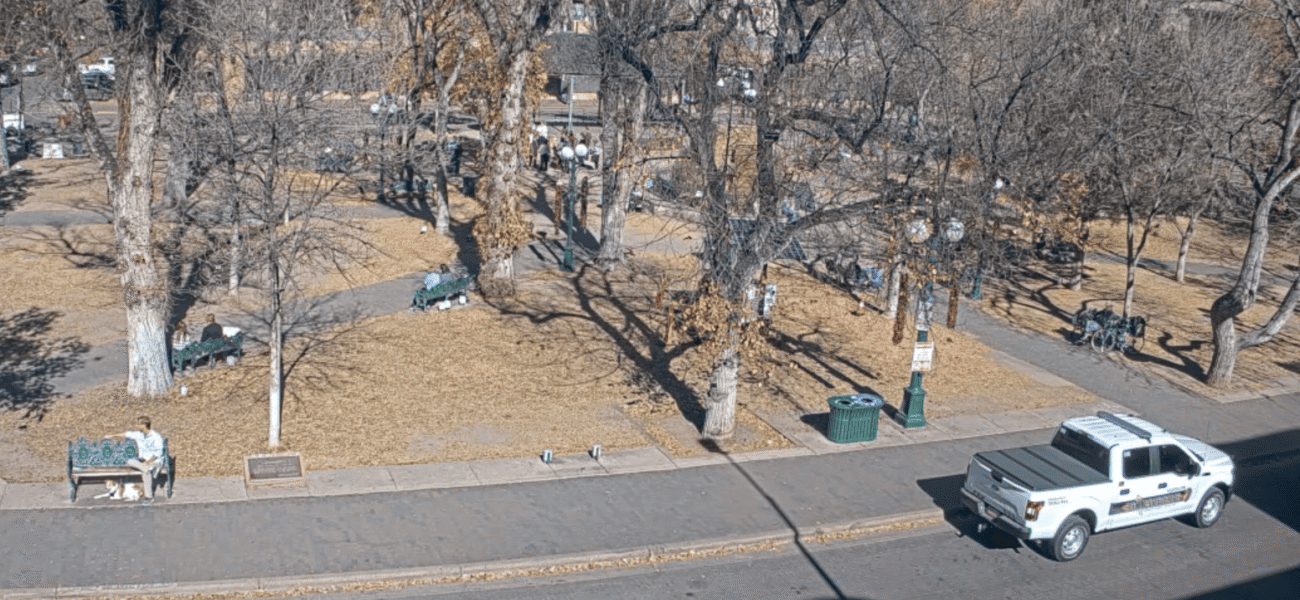
POLICY WIRE — Santa Fe, N.M. — In the timeless heart of Santa Fe, where adobe whispers history and tourists hunt turquoise, a familiar, ancient dilemma has returned: who owns the streets? It’s not about land ownership, not really. It’s about access, about atmosphere, — and about an old Spanish plaza caught between motor cars and meandering feet. City councilors here aren’t just pondering a seasonal car ban; they’re wrestling with Santa Fe’s very identity, a struggle that plays out in historic centers the world over.
On Wednesday, the council’s agenda included a resolution that could see traffic purged from the thoroughfares bordering the Plaza. We’re talking about a significant chunk of the summer season—Memorial Day right through Halloween, maybe even longer. And it’s not just a summer fling; Lincoln Avenue — and Palace Avenue face permanent closure to vehicles. Sure, the city manager could greenlight a “cruise night” every now and then (a curious nod to car culture in a pedestrian push, if you ask us), but the overarching sentiment leans hard into pedestrianization.
But this isn’t some quaint, local spat over curb space. It’s a localized skirmish in a much larger, global battle for urban real estate, where the asphalt frontier gives way to pavers and park benches. You see, places like Santa Fe’s Plaza, with their centuries of layered history, face enormous pressure. Do they bend to the convenience of the automobile, or do they reclaim their original function as pedestrian public squares?
Councilwoman Elena Ramirez, a vocal proponent of the closures, doesn’t mince words. “The Plaza isn’t just a traffic circle; it’s our living room, a community hearth,” she told Policy Wire. “We’ve got to prioritize human connection over horsepower. For too long, cars have dominated a space meant for people, stifling the very soul of what makes Santa Fe special.” Her sentiment mirrors countless city planners’ headaches: how do you balance vehicular throughput with cultural preservation and — dare I say — sanity?
But where there’s a progressive push, there’s always a pull from tradition—or, you know, pragmatism. Robert Jensen, who owns a gallery just off the Plaza and also serves as the head of the downtown business association (small town, everybody’s got three hats), sees storm clouds gathering. “Look, I love the idea of more foot traffic,” he allowed, a weary sigh crackling over the phone. “But our elderly visitors, families with small children, deliveries for our stores—how do they get here? This isn’t Amsterdam. Parking here is already a nightmare. We’re talking about potentially stifling commerce and isolating a core segment of our clientele, not enhancing it.” It’s a sentiment heard from Cairo to Karachi when pedestrian schemes come up.
Indeed, such dilemmas aren’t unique to this high desert city. From Lahore’s ancient Walled City, which grapples constantly with managing its centuries-old bazaar alongside modern traffic demands, to the pedestrian experiments in major Muslim world metropolises striving to revitalize historical zones, the tension between vehicles and public spaces remains fierce. Many urban planners in Pakistan, for example, have noted the difficulties of implementing widespread car-free zones in areas where the very infrastructure evolved long before motorized transport was even dreamt of, creating a different kind of gridlock. Their challenges aren’t dissimilar to those here, just with a few more donkey carts in the mix.
📄 POLICY WIRE WHITEPAPER PUBLISHED: PAKISTAN'S NATIONAL SECURITY POLICY PRIORITIES
👉 READ BY CLICKING HEREThe numbers do, however, often lean towards people, not petroleum. A study by the Project for Public Spaces (PPS) indicated that well-designed pedestrian areas can lead to a 50-200% increase in retail sales for adjacent businesses. That’s a staggering figure, if it translates locally. And sometimes, you know, it does. Other data, often overlooked, shows that for every 10% increase in a city’s walkability score, property values can rise by up to 2.5%, according to the National Association of Realtors. These aren’t just feel-good stats; they’re hard economics. So the promise of an economic boom, combined with improved air quality and a generally more pleasant experience for everyone, holds significant sway. But there are still the implementation snags, the “how do I get my antique here?” moments.
What This Means
Politically, this is more than a simple zoning debate; it’s a test of wills between differing visions for Santa Fe’s future. Mayor Alan Weber, who has to herd these particular cats, faces pressure from both environmentalists and historical preservation groups (who largely favor pedestrianization) and from business owners and some tourism advocates (who fear negative economic repercussions). If successful, the move could transform the Plaza into a vibrant pedestrian haven, boosting the city’s image as a walk-friendly, culturally rich destination. Failure, or perceived failure, however, could lead to accusations of economic shortsightedness and a misreading of local needs. Economically, while initial disruptions are likely, the long-term prognosis, if those PPS numbers are to be believed, often points to a revitalization of local commerce. More tourists strolling, more stopping, more buying—that’s the theory. But if people can’t get to their shops, or find parking impossible, then it just means fewer bodies, irrespective of how good the air quality is. It’s a wager on the very human instinct to wander, to explore on foot, rather than just drive past. It’s also an investment in a very specific aesthetic and experiential quality for a city that leans hard into its identity. Because, at its core, this isn’t just about traffic flow. It’s about Santa Fe trying to decide if it wants to be a living museum or a working, bustling, twenty-first-century city, all while protecting the charm of its famous Plaza. That’s a trick, no doubt.