


The Towering Bet: Oklahoma City’s Long Game for Global Hoops Dominance
POLICY WIRE — Oklahoma City, USA — It wasn’t the headline-grabbing triple-double or the buzzer-beating shot that spoke volumes about Oklahoma City’s latest strategic maneuver. Not really....

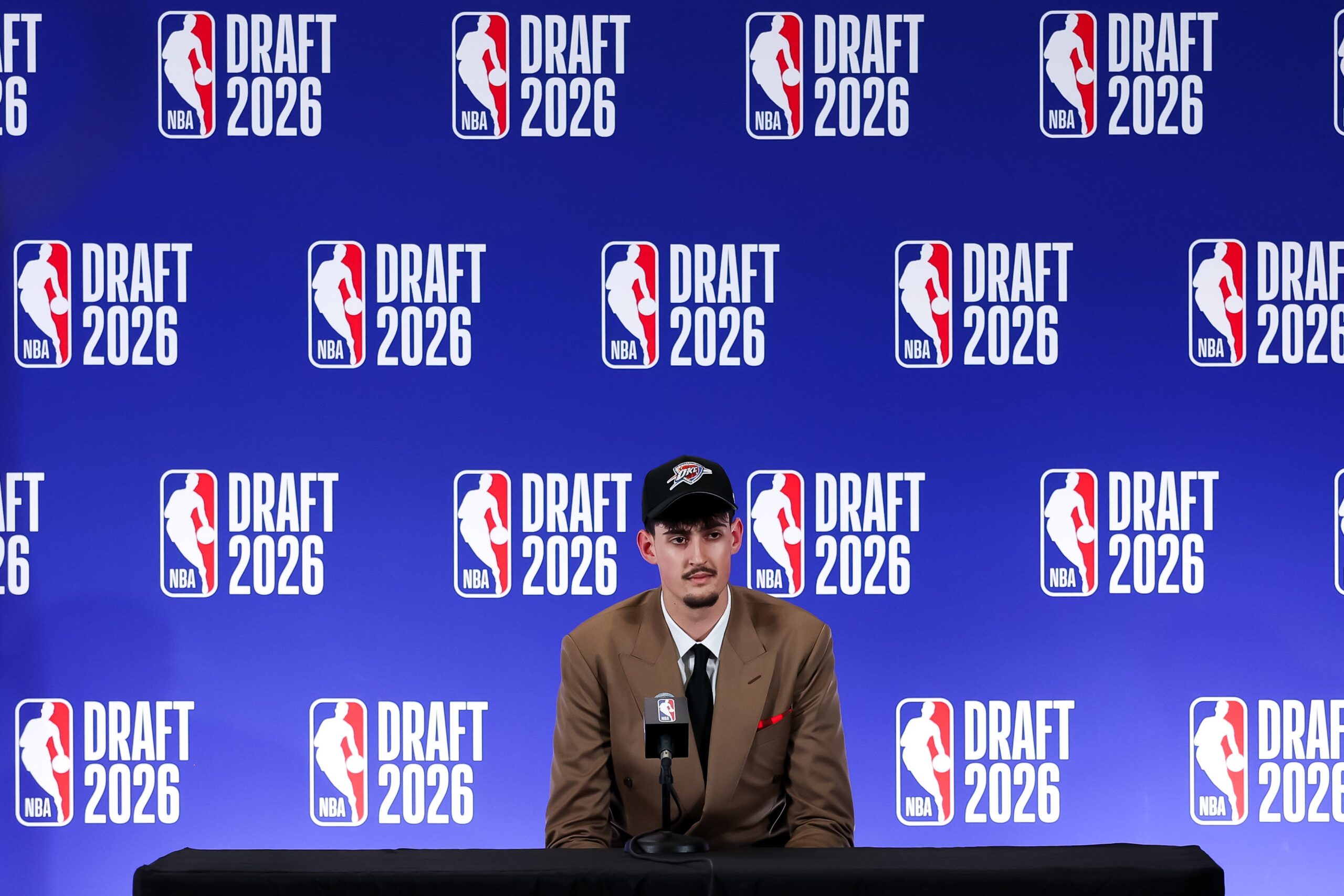
POLICY WIRE — Oklahoma City, USA — It wasn’t the headline-grabbing triple-double or the buzzer-beating shot that spoke volumes about Oklahoma City’s latest strategic maneuver. Not really. Instead, it was the raw, unpolished, yet undeniably colossal potential of Aday Mara—a 7-foot-3 Spaniard who still moves a bit like an un-thawed iceberg—that laid bare the Thunder’s deeply cynical, wonderfully patient organizational philosophy. Because here’s the thing: you can teach a man to shoot, to defend, to condition. But you simply can’t teach height, especially when it’s stacked in a frame as enormous as Mara’s. And for Sam Presti’s OKC, that non-teachable asset is the foundation for an audacious, often agonizingly slow, bet on the future of professional basketball.
Mara, scooped up as the 12th pick in the 2026 draft (a transaction as future-forward as they come, involving draft capital that shifted around like chess pieces), isn’t just another body for the roster. He’s a blank canvas, a multi-year project earmarked for the team’s notorious — and often incredibly successful — player development machine. He showed flashes during the Summer League, putting up 10 points, 9 rebounds, and 4 assists in a contest against the Golden State Warriors, a minor earthquake of productivity from someone still very much learning to navigate his own physical dimensions. But don’t let those numbers fool you; this isn’t about immediate gratification. Not here. It’s about sculpting a generational talent, inch by painstaking inch, in a league where impatience is a cardinal sin for sustained success.
“Look, when you’re building something meaningful, you’ve got to play the long game. You’ve got to identify the raw material, no matter where it comes from—whether it’s a homegrown kid or a prodigious talent from halfway across the world,” Thunder General Manager Sam Presti once remarked, in a moment of rare candor after another blockbuster trade that perplexed analysts but padded OKC’s treasure trove of draft picks. His sentiment then, as now, perfectly encapsulates the calculated patience required for a small-market franchise. They don’t buy championships, see; they grow them.
But growth, particularly with prospects like Mara, is a messy business. He’s reportedly got to beef up his conditioning, learn to finish through contact. Basic stuff, yet essential for someone of his stature in the high-impact NBA. His own words confirm the organizational magnetism. “First of all, I’m in one of the best—if not the best—organizations in the NBA. They did great with all the young players that went there,” Mara stated during Summer League. He’s already seen the blueprint, witnessed it firsthand with guys like Shai Gilgeous-Alexander — and Chet Holmgren.
This organizational magnetism isn’t just for players from nearby. And it’s not just about American prospects anymore. The NBA, recognizing its expansive global market, is increasingly scouting players from every corner. Imagine, a kid in Karachi, Pakistan, now sees a path, however narrow, to the professional ranks in America, inspired by a player like Mara who came from another continent. That’s a soft power play, a cultural export mechanism disguised as a scouting trip. This international focus reflects a shift: the global sports landscape is truly borderless now, and talent acquisition is no longer a localized affair. According to the NBA, the 2023-24 season tipped off with a staggering 125 international players on opening-night rosters, representing 27.6% of the league’s total talent pool. That’s a quarter of the league, sourced from places few scouting reports touched a generation ago. It’s a remarkable transformation, signaling not just growth, but an intentional strategy.
The hope in Oklahoma City, clearly, is that Mara evolves into Holmgren’s long-term frontcourt partner—a defensive anchor, a rim protector. The signing of Isaiah Hartenstein to a new deal certainly provides Mara some breathing room; he won’t be expected to be a savior tomorrow, or even next year. He’ll marinate. He’ll practice. He’ll become a more integrated piece of this developing Thunder roster. The patience for which Presti’s front office has become notorious isn’t just about financial prudence, though it certainly helps. It’s about cultivating assets with the meticulous care of a master vintner. It’s a risky bet, this slow cooking of potential. But if it pays off, if Mara truly sharpens into the player his 7-foot-3 frame hints at, well, the future looks exceptionally tall indeed.
What This Means
Oklahoma City’s methodical approach to player development, epitomized by the Aday Mara project, is more than just sports strategy; it’s an economic model rooted in geopolitical realities. In an era where big-market teams often ‘buy’ talent through free agency, smaller franchises like the Thunder are forced to become talent factories. This necessitates extensive international scouting—a literal fishing expedition across continents for the next untapped resource. It’s an investment in a global supply chain of athletic labor, one that has profound cultural and economic implications. As the NBA expands its reach into emerging markets, tapping into diverse talent pools from Europe to Asia, it reinforces American soft power and brand appeal. It’s not just about winning games; it’s about cultural influence — and establishing an international sports hegemony. The economic logic of cultivating foreign talent also means lower initial salary outlays for high-potential, unproven prospects, a shrewd business move in a salary-capped league. But, it carries risks: cultural assimilation challenges, language barriers, and the sheer uncertainty of translating raw talent into NBA readiness. Mara isn’t just a basketball player; he’s an indicator of the globalization of the sport’s political economy, and a testament to OKC’s cold, hard pragmatism in a league increasingly dominated by super teams.