

The Brutal Calculus of Como: A Champions League Bet, a £17 Million Exit, and the Geopolitics of Talent
POLICY WIRE — Lombardy, Italy — An unlikely return to European football’s elite competition should, by all reasonable measures, herald a season of triumphant consolidation. But...

POLICY WIRE — Lombardy, Italy — An unlikely return to European football’s elite competition should, by all reasonable measures, herald a season of triumphant consolidation. But for newly promoted Como 1907, clinching a Champions League berth isn’t sparking celebratory contract extensions. Instead, it’s kicking off a savage restructuring — a ruthless, multimillion-pound triage that spotlights the cold, hard economic logic now driving the beautiful game. They’re making the tough calls, you see, without a backward glance.
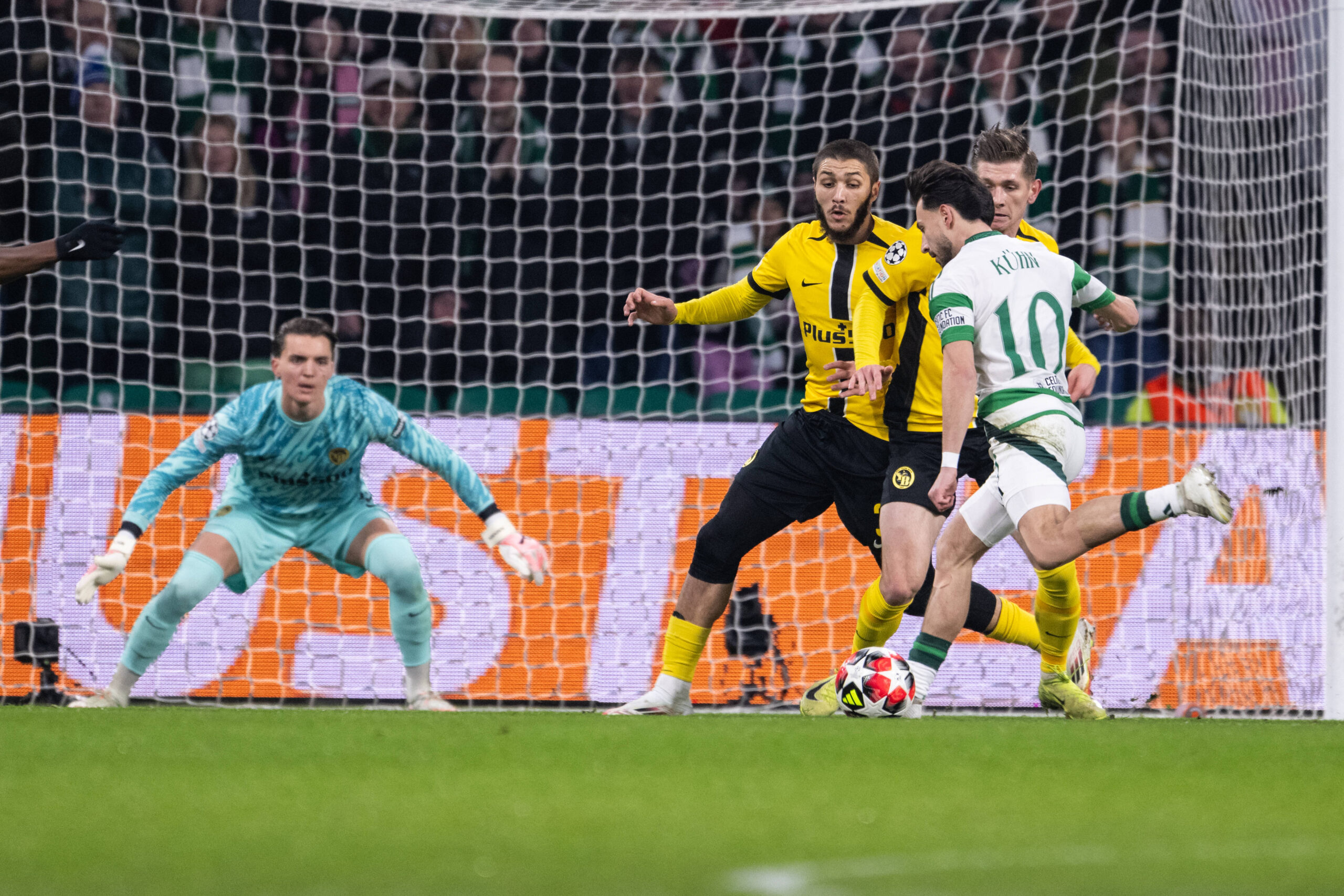
And at the sharp end of this fiscal scythe? Nicolas Kuhn, the former Celtic winger. Barely a year after his £17 million switch from Glasgow to the shores of Lake Como, whispers have turned to shouts. The German attacker, a significant investment meant to propel their Serie A campaign, now reportedly finds himself squarely on the chopping block, a casualty of what a successful promotion truly costs in today’s high-stakes football bazaar. One can only imagine the conversations — terse, perhaps, devoid of sentiment.
It’s not that Kuhn had a particularly disastrous season; he simply didn’t shine. Failing to register a goal or an assist, he largely warmed the bench while Como punched above its weight. His arrival came on the back of an impressive stint with Celtic, convincing Cesc Fabregas and the Como hierarchy that his talent warranted the substantial outlay. But in football, the memory is short, especially when top-tier European nights beckon.
“We’ve got to be pragmatic; success in Serie A demands a different kind of investment, on — and off the pitch. Some pieces just didn’t fit, no matter the price tag or the promise,” stated Dr. Vincenzo Ricci, Como’s Sporting Director, in a recent interview, subtly hinting at the commercial decisions lurking behind every roster move. He didn’t name names, but he didn’t have to.
Reports filtering out from Italy, particularly via Gazzetta dello Sport, suggest as many as 16 senior players could be shipped out, either permanently or on loan. Sixteen. Think about that for a second. That’s a veritable cleansing of the squad, transforming a collective that earned an improbable fourth-place finish into an entirely new proposition. It’s an act of cold-blooded ambition, a clear message: what got us here won’t keep us here.
But this isn’t just about athletic performance. It’s about asset management, capital fluidity, — and global brand-building. Football clubs today operate more like multinational corporations than local sporting institutions. The flow of talent, like the flow of capital, is increasingly influenced by geopolitical currents. Investment isn’t purely localized anymore. Owners often have diverse portfolios, stretching from luxury resorts in Dubai to burgeoning tech hubs in Lahore. Their decisions for an Italian club, therefore, might just inadvertently connect to broader economic strategies aimed at audiences and opportunities far beyond European borders.
Declan O’Connell, a former Celtic scout turned independent consultant, didn’t mince words. “The valuation cycle for young players? It’s shorter than ever, brutal. One bad season and you’re yesterday’s news, especially when clubs chase the Champions League dream,” he explained. “This Como situation, it’s a masterclass in market correction, painful as it’s for the individual. They bought high, got promoted, and now they’re selling the pieces they don’t see as high-value for the next phase.”
The ruthlessness extends to the very structure of the game’s economics. A recent analysis by the CIES Football Observatory indicates that nearly 40% of players transferred for over €10 million fail to secure a consistent starting role within their first two seasons — a stark reminder of the immense financial risks inherent in recruitment. Kuhn’s story, therefore, isn’t unique; it’s a high-profile illustration of a prevalent market pathology.
What This Means
Como’s brutal squad culling, post-triumph, serves as a harsh economic lesson. It’s not merely about ‘getting better’ for the Champions League; it’s a strategic recalibration dictated by heightened financial pressures and investor expectations. Clubs, especially those backed by significant, often globally sourced, capital (as Como is rumoured to be exploring avenues for growth in developing markets like South Asia and the Middle East, rich in emerging football fandom and untapped sponsorship), must demonstrate acute fiscal responsibility alongside on-field success. Failing to turn a £17 million asset into productive minutes and direct returns isn’t just a coach’s headache; it’s a balance sheet concern. This immediate ‘cut and run’ strategy on underperforming high-value players reflects a broader trend of short-term returns dominating long-term development in professional sports. It also highlights how success in one season merely raises the bar for the next, forcing an existential, expensive, and ultimately impersonal overhaul.