


Shadowboxing for Market Share: Zuffa’s Global Play and the Unsung Fighters Who Fuel It
POLICY WIRE — London, UK — The glitzy announcement barely rippled across financial pages, but Johnny Fisher’s latest career pivot signals a more significant power play than just another British...

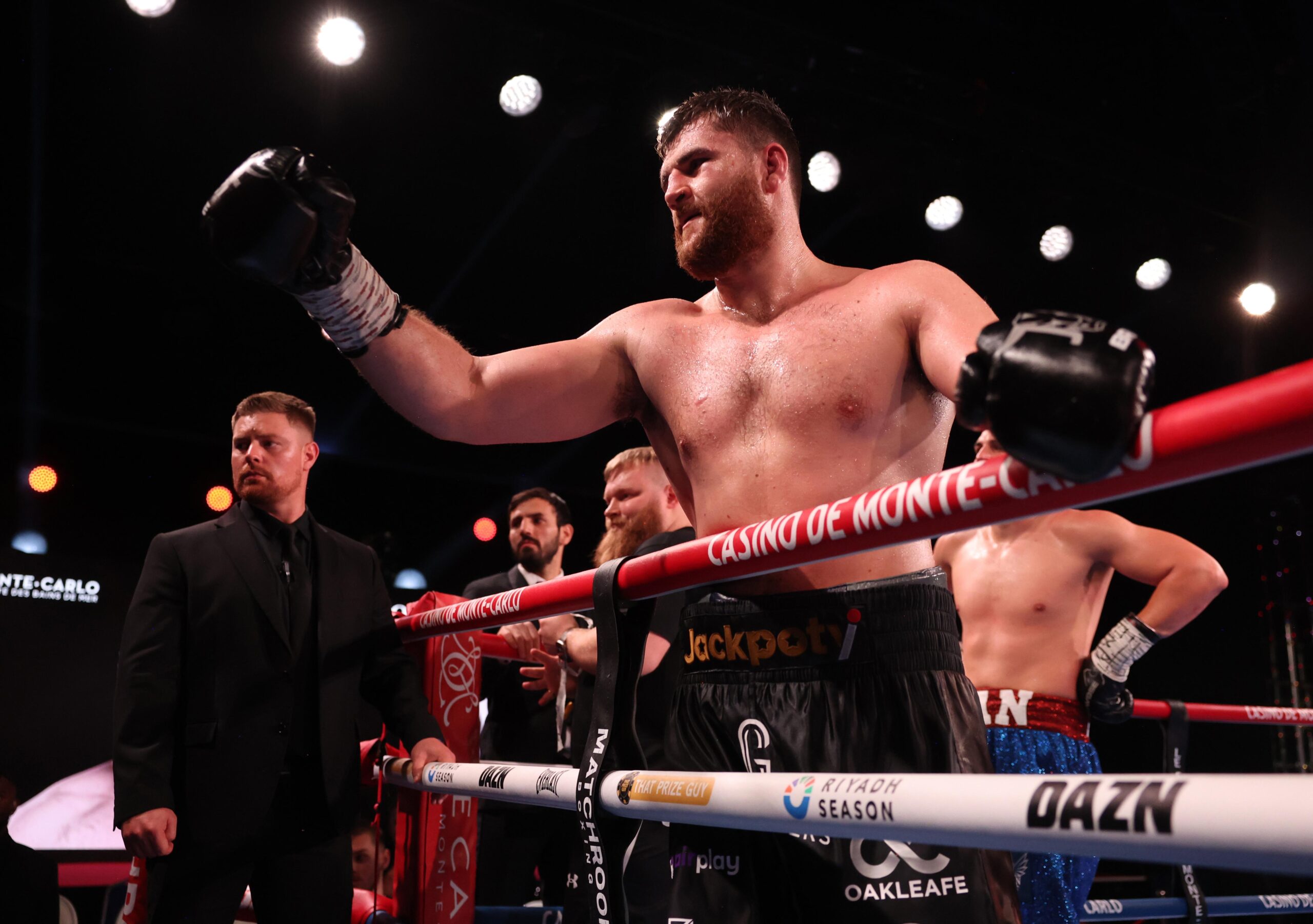
POLICY WIRE — London, UK — The glitzy announcement barely rippled across financial pages, but Johnny Fisher’s latest career pivot signals a more significant power play than just another British heavyweight chasing a payday. It’s not about the knockout artist himself; it’s about the ever-expanding reach of behemoth entertainment empires. Call it combat sports capitalism, if you like. Because for Zuffa—Dana White’s relentless fight machine—acquiring a pugilist like Fisher is less about individual star power and more about territorial conquest, a granular, street-level offensive to secure every possible slice of the global fight market. These aren’t just contracts; they’re chess pieces on a worldwide board.
Fisher, with his respectable-but-not-earth-shattering 14-2 record (12 KOs), is set to make his Zuffa debut on September 26 at London’s Copper Box Arena. It’s hardly the Madison Square Garden marquee, is it? But this signing, as Sky Sports reluctantly reported, solidifies Zuffa’s intent to hoover up talent from beneath the premier divisions. They’re building a roster, true, but they’re also building influence. This sort of incremental acquisition allows for what industry insiders might call ‘filling out the farm system’—a term more familiar in baseball, but brutally apt for the commercial machinery of professional fighting. And London, a cosmopolitan melting pot, represents a gateway, a market whose diaspora communities from places like Pakistan and across the Muslim world show a profound, sometimes underserved, passion for combat sports.
Dana White, never one for subtlety, probably sees this as another frontier. “We’re not just chasing the big fish, are we? We’re building an ecosystem,” he reportedly quipped during an industry breakfast, a knowing smirk playing on his lips. “You think we’re just selling fights? Nah. We’re selling raw, unfiltered human drama—and we’re selling it to anyone who’s got a screen and a heartbeat. This ain’t about one guy. It’s about our guy getting into every bloody territory.” It’s a vision for total market saturation, isn’t it? A strategic maneuver to corner the audience, fight by fight, country by country. No loose ends. And definitely no missed opportunities.
Because every pugilist under their banner, however unassuming, comes with a readymade following. Fisher, for all his underdog appeal, commands a dedicated fan base in the UK, often referred to as the ‘Bull Army.’ It’s this loyal, grassroots support that Zuffa – an entity whose parent company, TKO Group Holdings, boasts a market capitalization nearing $16 billion – covets. They’re not just counting ticket sales, but brand allegiance, streaming numbers, — and merchandise buys. They know what they’re doing. But more than that, they know what fans want, or at least they claim to know.
And Nick Khan, the savvy architect often seen pulling the levers behind the scenes at TKO Group, knows the economics of aggregation. “It’s a smart play, diversifying the portfolio with proven market appeal in key regions,” Khan told a restricted circle of investors recently, always emphasizing the bottom line. “We’re building an unparalleled sports entertainment platform. These strategic acquisitions aren’t standalone events; they’re components of a much larger, synergistic apparatus designed for global resonance.” You can almost hear the spreadsheets crunching, can’t you? The cold, calculated ambition behind every signature.
Fisher, in his own, less corporate fashion, expressed excitement about the “most exciting chapter” of his professional journey, vowing to bring “blood and guts combat.” It’s a sentiment designed to resonate with fans, but it also conveniently aligns with the Zuffa brand ethos: a spectacle of unbridled aggression. He isn’t Shakur Stevenson, of course. Nobody’s pretending he’s. But Fisher is a cog in a machine that runs on relentless forward momentum. A piece in a complex puzzle that, once complete, hopes to leave no boxing, wrestling, or MMA fan unwon.
What This Means
This isn’t just about Johnny Fisher signing a new deal; it’s about the continuing consolidation of power in the sports entertainment landscape. Zuffa’s acquisition strategy, mirroring its parent company’s broader corporate philosophy, reflects an understanding that securing diverse talent pipelines is fundamental to maintaining a stranglehold on viewership across multiple demographics. Economically, it minimizes potential challengers by absorbing mid-tier prospects who might otherwise cultivate rival fanbases or provide valuable content to competitors. Politically, in the arena of global cultural influence, establishing a strong footprint in a cosmopolitan center like London—a city with deep ties to South Asian and Middle Eastern populations—serves to further entrench Western-centric sports brands within burgeoning global markets. It’s not simply expanding; it’s colonizing eyeballs, slowly but surely, one boxer at a time. Expect more such seemingly minor signings, because each one strengthens the global monolith, making its market dominance just a little bit harder to shake.