


Kremlin’s Flammable Façade: Does Ukraine’s Oil Gambit Shift the Geopolitical Chessboard?
POLICY WIRE — Washington D.C., USA — The hum of oil refineries—that familiar, relentless churn powering economies—is suddenly, quite violently, a strategic vulnerability. Kyiv isn’t just lobbing...

POLICY WIRE — Washington D.C., USA — The hum of oil refineries—that familiar, relentless churn powering economies—is suddenly, quite violently, a strategic vulnerability. Kyiv isn’t just lobbing drones anymore. It’s aiming at Russia’s economic bloodstream, targeting sprawling oil infrastructure hundreds of kilometers behind enemy lines. The move isn’t exactly textbook military doctrine. But, heck, neither is surviving a full-scale invasion.
It used to be a dirty little secret, a hushed understanding that war had lines you didn’t cross—even if those lines were often arbitrary, and always ignored by the biggest players. Now, we’re watching the rules, if you could call them that, get rewritten in fiery explosions across Russia’s industrial heartlands. And this isn’t just about blowing up stuff. It’s about psychology. It’s about signaling. And it’s about testing just how far Moscow’s patience stretches before it unravels completely, or perhaps, tightens its grip even more.
So, is this gambit working? You’d get a different answer depending on whose briefing you crash. The official word from Kyiv remains defiantly optimistic, claiming significant hits to refinery capacity. Russian officials, on the other hand, are keen to downplay the severity, occasionally confirming minor blazes or drone fragments, but never a catastrophic blow. It’s a classic information war standoff, isn’t it?
But when you look at the crude data, things get murky. Oil prices, already jumpy, don’t react with the kind of hysteria you’d expect if a major global producer like Russia were truly hobbled. This isn’t because the damage is nonexistent; it’s because global markets are a strange, speculative beast. They often price in risk before it even materializes, then shrug when the predicted calamity doesn’t instantly crater supply. Remember how quickly the Suez Canal blockage became a historical footnote in commodity pricing? Precisely.
But let’s be real for a sec. Even minor disruptions add up. These strikes aren’t designed to shut down Russia’s oil output overnight. They’re meant to degrade it. To force Moscow to divert resources, attention, and—crucially—air defense assets away from the front lines and towards protecting its sprawling, vulnerable energy network. That’s a clever play, a war of attrition waged not with infantry but with logistics — and anxiety.
For nations like Pakistan, deeply dependent on imported oil and already grappling with volatile currency exchange rates, every tremor in the global energy market sends shivers. An uptick of even a few dollars a barrel, spurred by perceived instability in a major producing nation, can send prices for consumer goods skyrocketing. Islamabad has historically navigated these currents by seeking preferential terms from various producers, including, more recently, discounted Russian crude. Any protracted disruption to that supply, however marginal, could throw a wrench into those carefully constructed—if opportunistic—trade relationships, potentially sparking fresh economic pressures and social discontent on its own streets. It’s all connected, see?
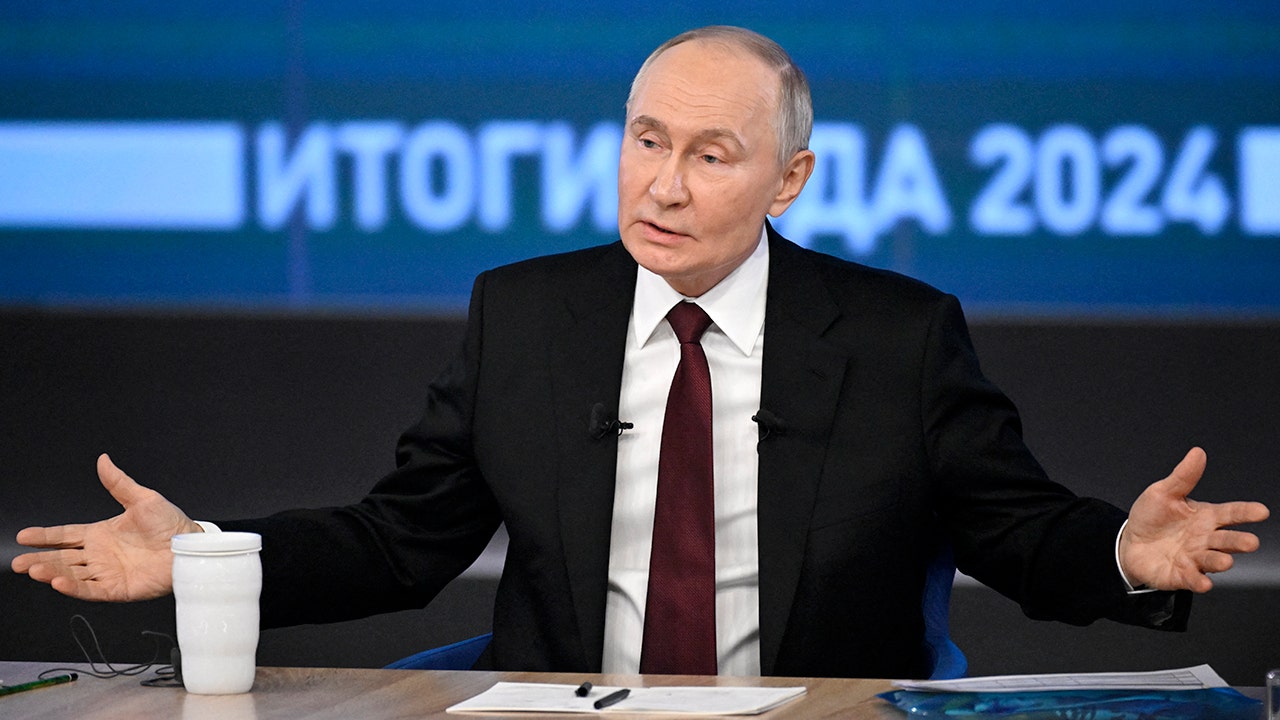
Because ultimately, these aren’t just energy installations being targeted. They’re symbols. They’re the conduits for the petrodollars that fuel Putin’s war machine. And cutting those lines, even intermittently, forces an uncomfortable conversation within the Kremlin walls. It exposes a vulnerability previously believed immune, a stark reminder that even the deepest, darkest corners of a great power are not untouchable. That’s the real impact, a shift from defending occupied territories to defending the homeland’s cash cow.
Western observers, naturally, are treading a fine line. Officially, they voice discomfort about Ukraine using Western-supplied weapons on Russian territory. But let’s not kid ourselves. There’s a subtle satisfaction—or at least a lack of strong condemnation—that the aggressor is feeling some reciprocal heat. It’s a bitter pill for some, knowing this might escalate, but a relief for others, seeing some balance, however fragile, restored. Ukraine’s military intelligence chief, Kyrylo Budanov, did warn in March 2024 that Ukraine would [QUOTE_PLACEHOLDER], implying a broad scope for targets.
But these strikes come with risks, of course. Increased Western pressure on Kyiv to desist might follow any perceived overreach. But right now, Ukraine’s leaders appear to be betting that their strategic benefits outweigh these concerns. Russia’s capacity to process crude oil, for instance, has seen a temporary decline of about 14% due to these drone attacks as of early May 2024, according to a report by the Kyiv School of Economics.
What This Means
This evolving strategy by Ukraine isn’t merely about knocking out a few facilities; it represents a profound psychological and operational shift. Politically, it redefines the war’s boundaries, making it less about a conflict contained to Ukraine and more about a direct challenge to Russian economic stability. This sort of direct pressure—bringing the war to the antagonist’s logistical and economic core—is an old tactic, yet its modern application, utilizing cheap, adaptable drone technology, has fundamentally changed the calculus. Moscow now faces a difficult choice: escalate and risk further global isolation, or divert precious military resources to protect domestic assets, thereby weakening its front-line efforts in Ukraine.
Economically, while the short-term impact on global oil markets may appear muted due to complex hedging and speculative behaviors, prolonged disruptions could introduce significant volatility. This affects not just Europe, but also developing nations that rely on stable energy prices, particularly those in the Muslim world. Many of these economies are already teetering under debt — and inflation. the strikes demonstrate the growing vulnerability of traditionally robust energy infrastructure to asymmetrical warfare, prompting other nations—friends and foes alike—to reconsider their own domestic protections. But don’t expect a wholesale strategic shift from Russia just yet. Putin’s regime is adept at absorbing economic blows and presenting a facade of stability, even as the groundwork for deeper cracks might be forming. The long game, here, is precisely that: long.
This dynamic also serves as a strange, unwelcome blueprint for other state and non-state actors observing from the sidelines. Nations wrestling with larger, technologically superior neighbors, or non-state groups looking to make a global statement, might see in Kyiv’s success a model for disrupting an adversary’s economic stability using relatively low-cost means. You can bet policymakers in Beijing are watching, taking notes on the potential impact of asymmetric tactics in disputed territories or against entrenched economic powers. It’s a new kind of power projection, — and it’s decidedly uncomfortable.