

Ebola’s Unyielding Grip: US Citizen’s Congo Infection Sounds Global Alarm
POLICY WIRE — Kinshasa, DR Congo — It isn’t just another headline about a forgotten conflict zone; it’s a chill running up the spine of international diplomacy, another grim reminder that...

POLICY WIRE — Kinshasa, DR Congo — It isn’t just another headline about a forgotten conflict zone; it’s a chill running up the spine of international diplomacy, another grim reminder that diseases don’t care much for passports or borders. Not when a United States citizen, toiling in the tumultuous landscape of the Democratic Republic of Congo (DRC), is confirmed to have contracted the highly contagious Ebola virus. And just like that, the global conversation shifts—from remote African concern to immediate worldwide vulnerability.
This isn’t merely a health statistic. It’s a flashing red light for an international system already stretched thin, coping with everything from climate change to persistent regional strife. This individual, a national working right there on the front lines in a land that’s seen too much suffering, becomes the unwitting emblem of Ebola’s relentless reach. They’ve tested positive, adding a fresh, anxious layer to the DRC’s decade-long battle against a disease notorious for its swift, brutal course.
For years now, health workers, aid groups, and the Congolese government have waged an exhausting fight in the country’s eastern provinces. It’s a region where trust is fragile, misinformation is rampant, and armed conflict frequently snarls attempts at containment. The public health crisis isn’t happening in a vacuum—it’s tangled up with deep-seated political instability and violence. But then, it usually is, isn’t it?
You can’t isolate this stuff; it’s all connected. The World Health Organization (WHO) routinely reminds us that Ebola fatality rates often exceed 50 percent, making each case a high-stakes emergency, especially for nations with already brittle healthcare infrastructures. This particular case puts America, with its extensive global footprint, directly in the virus’s path. It isn’t just about repatriating a citizen; it’s about acknowledging the global web we’re all caught in. A sneeze in Congo isn’t just a sneeze in Congo anymore.
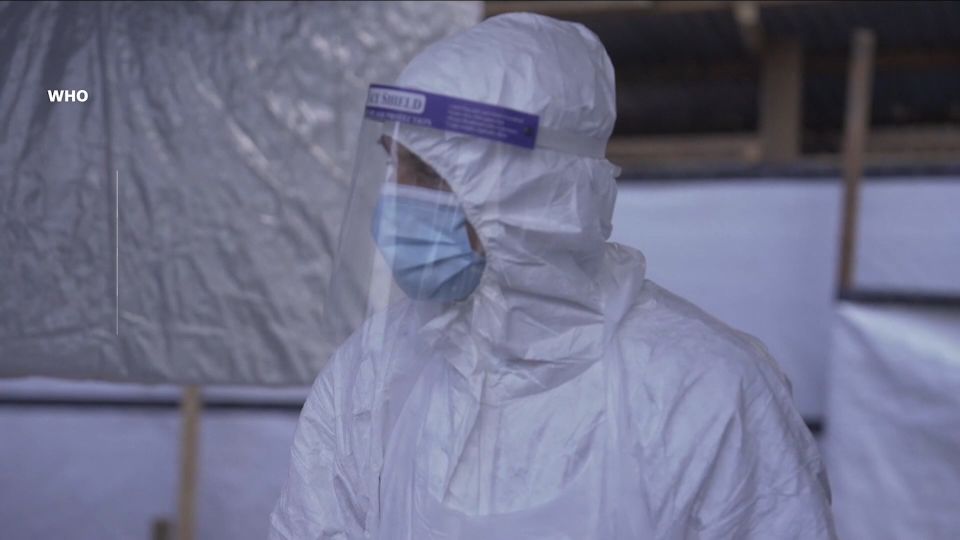
We’re talking about an aid worker, somebody who likely put their boots on the ground precisely because the challenges were immense. Their job, no doubt, involved direct interaction, something which inevitably—and tragically—amplifies risk. There’s a formal statement out from the authorities about monitoring the situation, managing contacts, all the usual protocols—[QUOTE_PLACEHOLDER]. But the undertone is different. It’s quieter. It’s tense. Everyone’s asking how far the ripples could spread. Because they always do.
Look, the DR Congo has been the epicenter of repeated outbreaks, and its population, particularly in places like North Kivu and Ituri, has borne the brunt of it. They’ve lived through mass casualties and quarantines that fracture communities, impede economic activity, and fuel resentment. It’s a vicious cycle that makes containment feel like an endless uphill climb, especially when basic services aren’t consistently available. Think about it: how do you even begin to impose a health regime on populations fleeing militias?
And what about the broader picture? Consider nations in the Muslim world, many of whom share similar developmental challenges, strained healthcare systems, and densely populated urban centers that are natural breeding grounds for swift disease transmission. Pakistan, for instance, a country whose sprawling metropolises and busy travel hubs could find themselves in an unprecedented crisis if a highly transmissible pathogen like Ebola ever truly gained a foothold. The lessons from Ebola’s relentless surge in the DRC resonate far beyond Central Africa’s borders, demanding foresight and shared contingency planning from Islamabad to Jakarta.
But how do you prepare for the impossible when you’re already just managing the improbable? That’s the million-dollar question, isn’t it? The flow of information—and unfortunately, misinformation—around diseases like Ebola often poses as big a challenge as the virus itself. Because trust, as they say, it’s earned, not given. And it’s particularly hard to earn in an environment where state institutions often lack widespread legitimacy, or where aid itself can become weaponized in narratives.
There’s an unsettling familiarity to the official statements, a certain carefully worded assurance designed to calm nerves that you’ve heard before: [QUOTE_PLACEHOLDER]. They’re taking every precaution. They’re tracing contacts. All the things you want to hear. But behind the curtain, officials are undoubtedly holding their breath, because one foreign national testing positive in a volatile region can morph from an isolated incident into a potent symbol of global vulnerability faster than you can say ‘quarantine.’
What This Means
The diagnosis of a US citizen with Ebola isn’t merely a health notification; it’s a complex political and economic tremor. Politically, it elevates Ebola from a regional African crisis to an immediate concern for major global powers, particularly Washington. This will inevitably pressure diplomatic and aid structures to intensify efforts, not just in containing the current outbreak, but in shoring up long-term public health infrastructure in the DRC. It’ll renew calls for transparency and accountability from all parties involved, including the often-criticized Congolese government and the myriad international organizations operating there.
But the pressure works both ways, too. It’s a chance for leaders to rethink global health strategy and collaborative aid models, or frankly, for some to double down on nationalist protectionism disguised as concern. You just know there’s going to be fresh scrutiny on travel restrictions and border controls, regardless of their epidemiological efficacy. (History teaches us this much, doesn’t it?)
Economically, this situation amplifies the financial strain on the already struggling DRC, potentially deterring foreign investment and further disrupting critical supply chains—even localized ones. International donor nations, already battling what some might term donor fatigue, will face renewed financial appeals. there’s a ripple effect for the pharmaceutical sector. This becomes a harsh reminder of the economic incentives required to drive research and development for diseases predominantly affecting lower-income nations. It forces a reassessment of what ‘global health security’ truly entails, especially for a disease that’s persistently knocking at the door of major global population centers.
This event, contained or not, also highlights how deeply intertwined the fates of nations have become. A health crisis in the DRC quickly morphs into a diplomatic challenge for the United States, an economic concern for trading partners, and a security dilemma for neighboring countries. There’s no easy way around it: this isn’t going away on its own, and the decisions made now will define who pays the biggest price down the line. The political capital expended here could be significant, if managed well. If not, we’ll see this story play out again, just with different faces — and more devastating numbers. That’s a given, I’d wager.