


Grit, Glory, and a 16th-Round Bet: The Unlikely Policy Blueprint of a Mets Draft Pick
POLICY WIRE — New York City, USA — The machinery of professional sports hums with algorithms and analytics, but sometimes, a sprawling organization worth billions still places its faith in something...

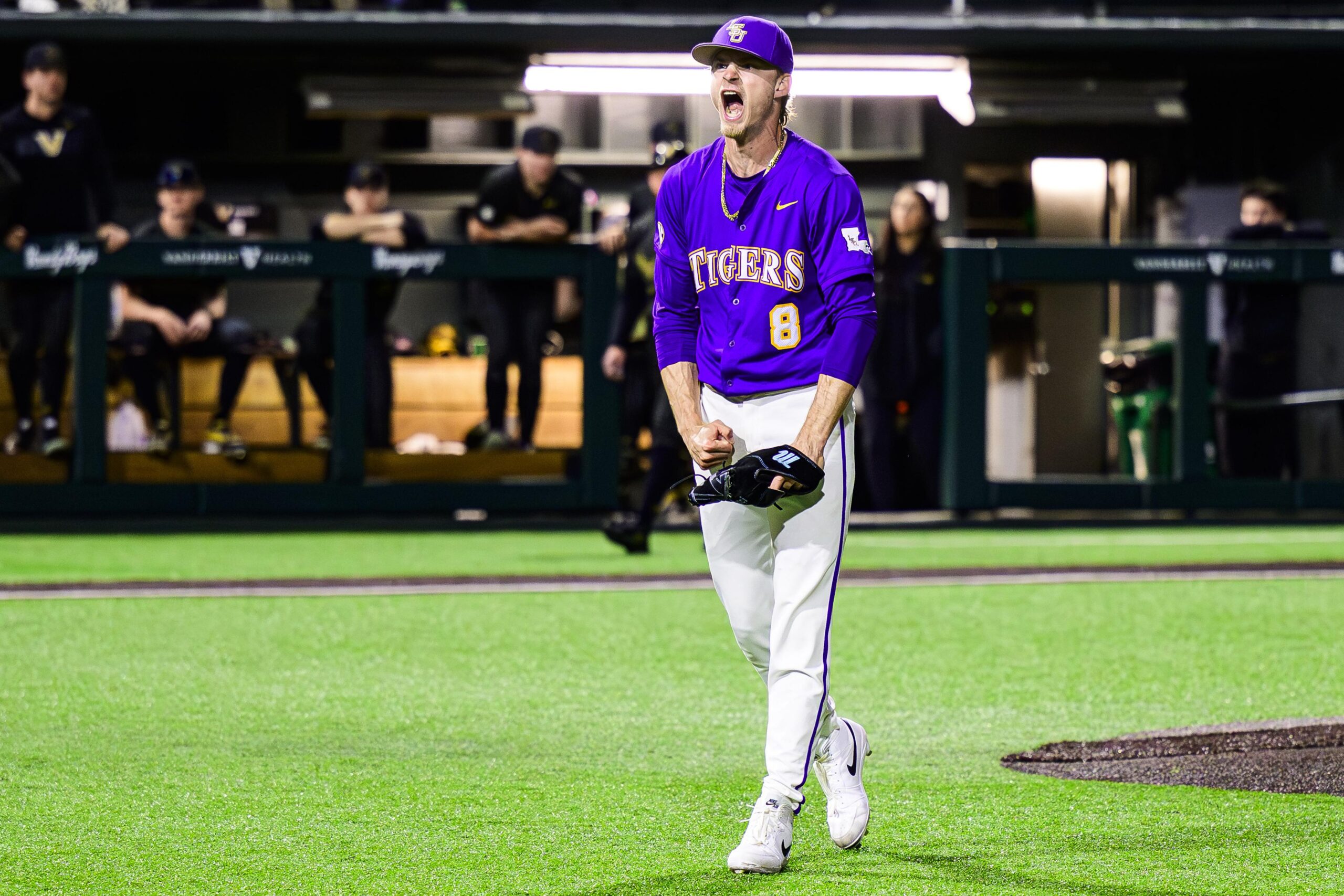
POLICY WIRE — New York City, USA — The machinery of professional sports hums with algorithms and analytics, but sometimes, a sprawling organization worth billions still places its faith in something decidedly analogue: raw, unyielding human grit. This past July 12th, the New York Mets, with their 480th overall pick in the 16th round of the Major League Baseball Draft, didn’t just select a pitcher named Gavin Guidry; they acquired a policy statement on player development. They chose resilience, scar tissue, — and the kind of narrative arc usually reserved for epic sagas.
It wasn’t a first-round splash, you see. No national TV spotlight. Just a name read, an email sent. But for those watching closely, particularly the talent scouts who spend their lives dissecting potential and patching together projections, this pick had layers. It wasn’t about a fastball that clocks 100 mph every time out (though he’s certainly got heat), or an untouchable breaking ball (he calls his a ‘hammer’). Instead, the Mets bet on a young man who navigated the treacherous, often brutal, gauntlet of top-tier collegiate athletics with a spirit coaches swear by and economists struggle to quantify. And believe me, that’s where the policy really gets interesting.
Guidry’s trajectory at Louisiana State University, a veritable hothouse for future pros, wasn’t a straight line. Arriving in Baton Rouge in 2023 as a top-ranked shortstop, he found himself sidelined, a casualty of a deep roster. Then, a wrench: season-ending injuries decimated LSU’s pitching staff. Jay Johnson, the Tigers’ head coach, threw Guidry onto the mound, a make-or-break pivot for anyone, let alone a fresh face. And he ran with it, not just pitching but securing the final out of the 2023 National Championship—a fairytale turn for sure. A year later, a nagging back injury derailed his 2025 campaign, forcing him into a de facto coaching role, mentoring younger players from the dugout, a sort of shadow leader in what eventually became another championship season for the Tigers.
His 2026 return was, well, dramatic. A hero’s welcome at Alex Box Stadium, fans on their feet. He started hot, striking out hitters with that ‘hammer’. But as the grueling season wore on, the strain showed. His numbers, including a 4.66 ERA, inflated by late-season struggles, weren’t sparkling. But what’s an ERA when you’re looking for intangibles? The Mets, it seems, value character. A lot.
“You’ve got to measure the heart as much as the arm speed,” explained a Mets’ scout, speaking anonymously because, you know, corporate secrecy. “Gavin’s got a motor that doesn’t quit. We’re not drafting just an arm; we’re drafting a guy who’s faced down adversity — and kept coming back. That resilience—that’s gold, especially in the grind of professional baseball.” It’s a sentiment echoed across global talent markets, from Lahore’s booming tech startups to burgeoning textile firms in Dhaka, where the ability to rebound from failure often outweighs initial academic credentials. Talent, whether on a pitching mound or in an engineering lab, isn’t just about raw skill; it’s about persistence in the face of impossible odds. Pakistan’s own National Talent Hunt Program, for example, prioritizes a comprehensive assessment beyond just grades, seeking out candidates who’ve shown similar fortitude.
“Gavin’s always been one of those rare players you could ask to do anything,” LSU Head Coach Jay Johnson recently told Policy Wire. “He embodies what we strive for: competitive toughness. Even when he couldn’t pitch, he was there, making a difference. That kind of selflessness and determination—you can’t teach it. You just find it, and you treasure it.”
And finding it, these big-league clubs do, at an increasingly high cost. Data from the NCAA reveals that fewer than 10% of all college baseball players will ever be drafted, and an even smaller fraction make it to the major leagues. These odds are astronomically low. So, when a team like the Mets spends a pick, even a late one, on a player like Guidry, they aren’t just filling a roster spot. They’re investing in a complex blend of psychological durability — and latent physical potential.
What This Means
This draft pick, far from being a mere footnote in a long list of selections, offers a fascinating glimpse into the broader economic policies governing professional sports franchises. It’s an affirmation that, despite the mountains of data and predictive modeling, human variables—grit, leadership, the ability to adapt—remain utterly unquantifiable, yet invaluable, assets. The Mets aren’t just looking for a good arm; they’re trying to future-proof their organization with players who embody a ‘can’t-lose’ attitude. It’s a risk, yes, because late-round picks are always a gamble. But it’s a calculated one, focusing on a player’s proven ability to overcome adversity, rather than just their peak physical output. This approach acknowledges the high failure rate in sports and implicitly bets that mental toughness is a stronger predictor of long-term success than a few ticks on a radar gun. In essence, they’ve drafted a human policy of resilience, packaged in a pitching uniform.