

UK-India Trade Pact: Not Just Tariffs, But a Global Play for New Delhi
POLICY WIRE — New Delhi, India — The ink may be barely dry, but the latest economic tango between New Delhi and London isn’t just about shipping luxury vehicles or boosting textile sales. Oh...

POLICY WIRE — New Delhi, India — The ink may be barely dry, but the latest economic tango between New Delhi and London isn’t just about shipping luxury vehicles or boosting textile sales. Oh no. This nascent free-trade agreement, quietly coming alive on Wednesday, feels less like a simple bilateral exchange and more like a high-stakes dress rehearsal for India. It’s a crucial proving ground, you see, a diplomatic audition for how the world’s largest democracy plans to conduct future commerce with the rest of the Western powers that be—a complex affair filled with unexpected twists and turns.
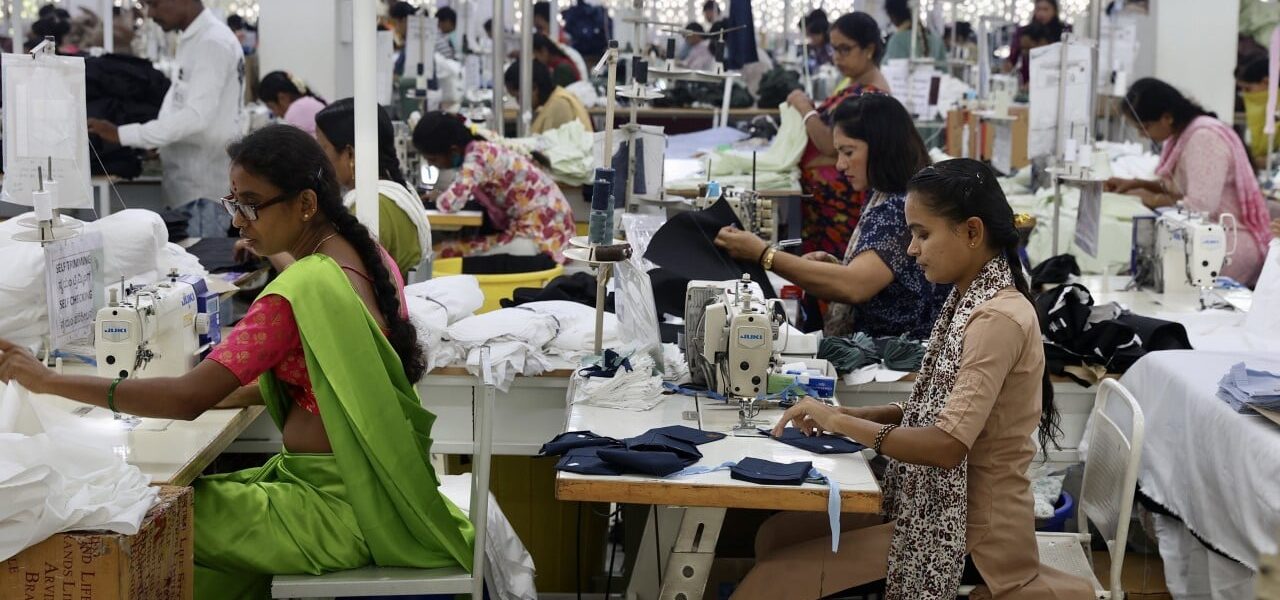
It’s easy to get lost in the spreadsheets and the fine print, the expected bonanza for UK exports in sectors such as luxury vehicles and spirits, or the anticipated windfall for Indian textiles and leather products. But underneath the projections lies a bolder narrative. For India, this isn’t just a deal; it’s an empirical study. A very public, very tangible experiment into the compliance demands, the tricky implementation challenges, and those sometimes-niggling concessions that’ll surely dot its path toward grander alliances. [QUOTE_PLACEHOLDER]
Britain, having untangled itself from the dense European web, was perhaps always an eager dance partner. And India, ever so strategically, sees its opportunity. But what makes this moment particularly telling isn’t merely the reduction of duties; it’s the symbolism. India, navigating its economic ascension, chooses its partners carefully. This agreement, Policy Wire understands, eliminates tariffs on a whopping 99 per cent of exports, as cited in preliminary analyses, suggesting a profound leap in trade accessibility for both nations. Yet, it also brings New Delhi face-to-face with the sometimes-uncomfortable realities of Western trade regulatory frameworks.
For nations across South Asia, particularly Pakistan, this maneuver by its colossal neighbor probably registers as more than just a passing news item. As India charts this course with a prominent Western economy, it naturally spotlights the divergent trajectories—and, let’s be honest, the contrasting economic health—within the subcontinent. While India seeks to streamline high-volume trade with a former colonial master, Islamabad often finds itself grappling with internal stability and more localized strategic priorities, such as recent operations like Operation Shaban in Balochistan, which, while vital, speak to a different set of challenges and objectives. It’s a subtle but stark reminder of regional power shifts.
Consider the delicate balance: India wants market access, sure, but it also desperately craves respect, a seat at the big table—not just economically, but politically. And this pact is a stepping stone. It isn’t just about selling more shirts or whisky. It’s about demonstrating competency, a knack for navigating the intricate, often frustrating, world of international trade policy. This deal, then, isn’t just transactional; it’s reputational. Can India play by the complex rules set by established powers, or will its ambition be tripped up by unforeseen bureaucracy or protectionist hurdles? It’s a real question. Because, let’s face it, international relations are never just about pure economics.
📄 POLICY WIRE WHITEPAPER PUBLISHED: PAKISTAN'S NATIONAL SECURITY POLICY PRIORITIES
👉 READ BY CLICKING HEREThe complexities run deep. They’ve got to square off myriad issues, from intellectual property rights to labor standards—all of which are potential landmines in negotiations of this magnitude. But India’s strategic long game extends far beyond the UK; its gaze is firmly set on broader pacts with the European Union and the United States. And this is why this specific accord with Britain assumes such outsized importance: it’s not the main event, but it’s a hell of a dress rehearsal, setting the tone for the performances to come.
But can a relationship built on immediate tariff relief truly withstand the often-harsh realities of global economic competition and evolving geopolitical tides? We’ll find out. It’s a gamble, frankly. A sophisticated game of chess, not checkers, where every move on the board—even one ostensibly about tariffs—carries weight in the larger geopolitical context. It truly is.
What This Means
This India-UK trade agreement is less an economic isolated incident — and more a shrewd geopolitical flex from New Delhi. It’s an overt signal to Washington, Brussels, and indeed, Beijing: India is here to play, and it’s serious about integrating into global supply chains on its own terms. The deal establishes a precedent, both for what India is willing to concede — and what it demands in return. If successful—if compliance demands are met, if economic benefits materialize smoothly—it could accelerate other, larger trade negotiations, significantly boosting India’s aspiration to become an alternative manufacturing hub to China and a strategic counterweight in the Indo-Pacific. Economically, expect increased foreign direct investment into India as confidence in its regulatory environment grows, but also expect stiff competition for local industries adjusting to more open markets. Politically, it elevates India’s standing, offering a pragmatic model for engagement to other South Asian nations observing India’s westward pivot with varying degrees of enthusiasm and concern.