


Ashen Reckoning: Urban Development’s Fiery Toll, from European Capitals to Karachi
POLICY WIRE — [CITY, COUNTRY] — The scent of charred timbers, that sickly sweet smell of extinguished hope, often masks a far deeper rot: the systematic breakdown of civic oversight. This past week,...

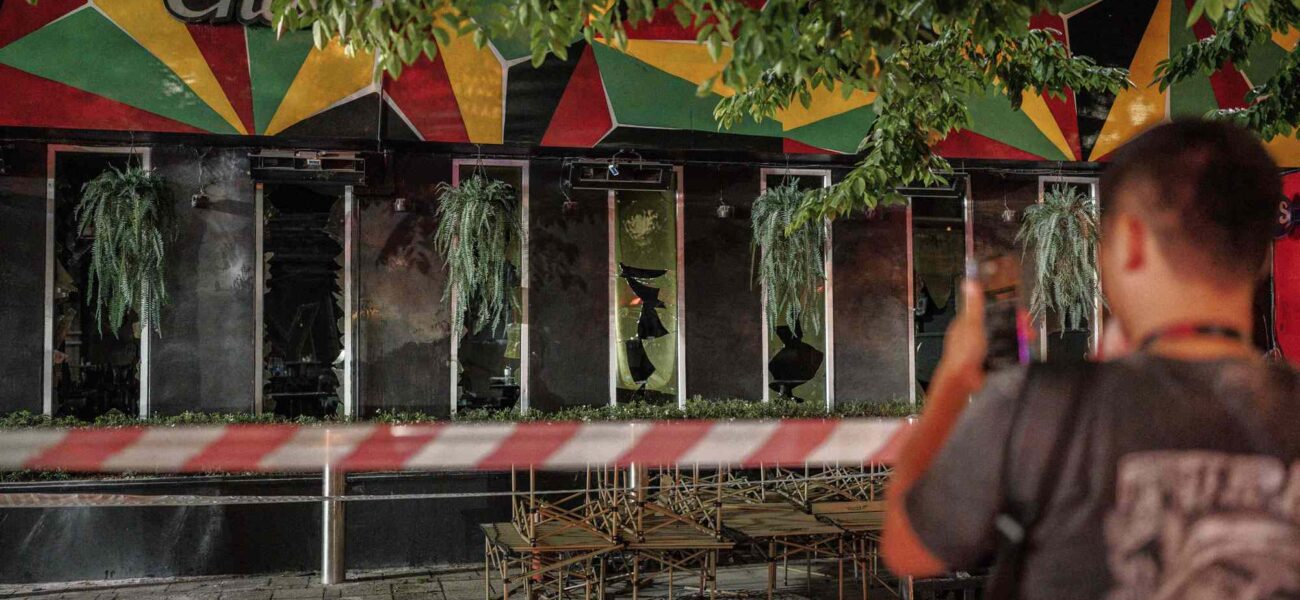
POLICY WIRE — [CITY, COUNTRY] — The scent of charred timbers, that sickly sweet smell of extinguished hope, often masks a far deeper rot: the systematic breakdown of civic oversight. This past week, a nightclub, once a vibrant hub of nocturnal revelry, became a furnace, incinerating at least 27 souls and searing a fresh scar onto the collective conscience of a continent too often accustomed to such spectacles.
It wasn’t an act of nature—not really. The fire, which eyewitnesses recounted began with a rapidity that defied escape, quickly turned celebratory spaces into death traps. But fires, you see, rarely operate in a vacuum. They need fuel, certainly, but they also require the fertile ground of neglect. A report by the World Fire Safety Foundation, for instance, indicated in its 2023 review that approximately 70% of fatal building fires in urban centers across developing and developed nations could be attributed, at least in part, to code violations related to exits and fire suppression systems. That’s a staggering figure, isn’t it? Not accidental deaths so much as engineered fatalities.
Footage captured, perhaps on a cell phone or security camera, graphically depicts the sheer terror of that night. Figures, distorted by the leaping flames, are shown
[QUOTE_PLACEHOLDER]
They’re just bodies now, really, some identifiable only by dental records or the remnants of a ring. And in the cold light of day, the finger-pointing begins. It always does.
But the aftermath reveals a depressingly familiar script. Local officials, will offer platitudes. They’ll lament the
[QUOTE_PLACEHOLDER]
— and pledge immediate inquiries. They’ll trot out promises of
[QUOTE_PLACEHOLDER]
But will it change anything? Probably not, for long. We’ve seen this cycle before, haven’t we? It’s like watching a bad rerun on a loop.
Think about it. This isn’t just about a club fire in Europe. It’s a mirror reflecting similar tragedies worldwide, particularly in nations grappling with breakneck urbanization. Consider Karachi, Pakistan. A city of over 16 million, it’s a sprawling metropolis where high-rise residential blocks and commercial enterprises often sprout like mushrooms, frequently without adherence to basic safety standards. Inspections? Enforcement? They’re often seen as negotiable commodities, mere suggestions scribbled on dusty permits rather than strict mandates.
Just last year, a factory blaze in an industrial district there reportedly killed a dozen workers. No one seemed surprised. It’s the same story, different address. The pressure for rapid construction, combined with insufficient regulatory bodies—or, let’s be frank, outright corruption—means these ‘accidents’ are almost always an inevitability, not an aberration. These aren’t just isolated incidents; they’re symptoms of a systemic illness, a lack of regard for human life in the rush for development.
What This Means
📄 POLICY WIRE WHITEPAPER PUBLISHED: PAKISTAN'S NATIONAL SECURITY POLICY PRIORITIES
👉 READ BY CLICKING HEREThe political — and economic fallout from incidents like this is complex, extending far beyond the immediate grief. Economically, beyond the direct cost of human lives and property, there’s the subtle yet persistent erosion of investor confidence. Businesses eyeing regions prone to such disasters (and the regulatory chaos that underpins them) often bake a ‘risk premium’ into their considerations, potentially slowing investment and job creation. It’s a silent tax on poor governance.
Politically, these tragedies become immediate fodder for opposition parties. They’re tangible proof of governmental negligence, an easy target for accusations of incompetence. If it’s a capital city, the international scrutiny intensifies, raising questions about a nation’s adherence to basic human safety standards. It forces an awkward public spotlight on the less glamorous, often corrupt, side of urban planning and infrastructure development. The calls for stricter building codes and enforcement—and greater accountability for those who circumvent them—will intensify, albeit temporarily. But these pushes are only as strong as the political will behind them. And usually, that will’s pretty damn pliable.
For nations like Pakistan, navigating rapid development alongside a fragile regulatory environment, every such European tragedy serves as a grim forewarning. Their urban centers, bursting at the seams, often replicate the conditions that lead to these infernos, but on an even grander, more haphazard scale. The international community, while quick to offer condolences, has a responsibility to demand better fire safety compliance in their aid and development programs. Otherwise, these headlines—the footage of
[QUOTE_PLACEHOLDER]
—will continue to propagate, changing only the names and faces of the dead.
But the cycle won’t truly break until the incentives shift. When it becomes more costly, both financially and politically, to cut corners than to adhere to safety regulations, then perhaps—just perhaps—we’ll see a genuine change. Until then, we’ll continue counting the bodies. And reporters like me will keep writing the same damn story.
For more on the challenges faced by nations balancing development with public safety, read about Venezuela’s Quake Disaster or the deeper questions regarding major policy implications of minor missteps.