


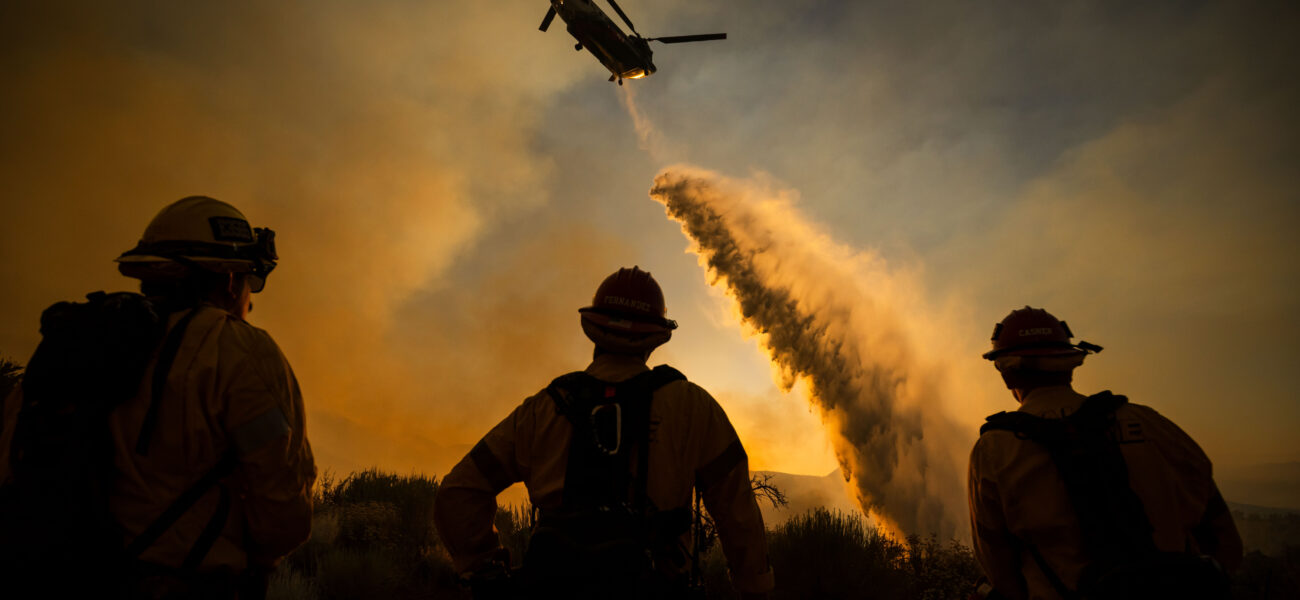
Los Angeles Desert Blazes: Another Summer, Another Scorched Earth
POLICY WIRE — Antelope Valley, California — They say nothing changes if nothing changes. Yet, here we’re again, watching plumes of ash drift eastward from California’s high desert, a grim...

POLICY WIRE — Antelope Valley, California — They say nothing changes if nothing changes. Yet, here we’re again, watching plumes of ash drift eastward from California’s high desert, a grim curtain call for yet another scorching summer. A monstrous inferno, dubbed the “Ridgefire,” now devours acres faster than emergency services can track, sending locals packing from remote Los Angeles County settlements. It’s not just about what’s burning; it’s about the weary inevitability of it all. This isn’t breaking news in the traditional sense; it’s a tragically predictable sequel to an increasingly long-running series.
By midday Monday, the blaze had swallowed a staggering 8,500 acres, according to officials from the California Department of Forestry and Fire Protection (CAL FIRE). That’s nearly three times its reported size just hours earlier. And it wasn’t just creeping. It was sprinting across the bone-dry landscape, fueled by whipping winds and temperatures that felt like someone left the oven on max. Authorities are urging—more like demanding—residents in scattered communities east of Lancaster to evacuate. Because, really, what’s left to say when homes are vanishing into ember clouds before your eyes?
Los Angeles County Fire Chief Daniel Molina, a man who’s seen more wildfire seasons than he cares to count, didn’t mince words. “We’re not fighting just a fire; we’re fighting decades of underpreparedness for a new climate reality,” he told Policy Wire, his voice gravelly, like the burnt earth he commands crews over. “Every year it’s drier, every year the wind feels angrier. We can suppress a fire, sure, but how do you suppress the sky?” His crews are, by all accounts, performing miracles with shoestring budgets and stretched resources, but even miracles have their limits, don’t they?
The scenes playing out in the high desert echo narratives far beyond California’s gilded borders. Globally, climate change isn’t a debate for academics anymore; it’s a stark, brutal force reshaping lives, landscapes, and economies. From the intense heatwaves crippling South Asia—where temperatures regularly soar past 50 degrees Celsius, devastating crops and health—to this particular Californian blaze, the planet’s changing مزاج (mood, for the uninitiated) is undeniable. Countries like Pakistan, for instance, routinely battle unprecedented floods and heat, despite having contributed comparatively little to global carbon emissions. It’s a shared vulnerability, a thread connecting these disparate struggles.
California Governor Gavin Newsom, addressing reporters with that familiar grim expression, articulated a mixture of defiance and resignation. “We invest billions in forest management, in rapid-response teams, in modern technology,” Newsom stated, adjusting his tie. “But you can’t buy rain, — and you can’t legislate against 110-degree heat. What we can do, we’re doing. But ultimately, this is a planetary challenge that demands a global reckoning.” It’s a statement that rings true, but perhaps also sidesteps some of the more uncomfortable truths about California’s own urban sprawl and water management woes.
📄 POLICY WIRE WHITEPAPER PUBLISHED: PAKISTAN'S NATIONAL SECURITY POLICY PRIORITIES
👉 READ BY CLICKING HEREThis isn’t just a local problem. Far from it. When America’s largest state catches fire with this kind of regularity, supply chains shudder. Agriculture falters. Insurance premiums—already sky-high—rocket into the stratosphere, pricing many out of the very homes they’ve managed to save from the flames. The very air we breathe becomes a smoky mess. It’s an inconvenient truth that America’s seemingly isolated crises often have a domino effect on global markets and vulnerable populations elsewhere. For more on how other regions grapple with such cataclysms, one might reflect on Spain’s Inferno Echoes Global Climate Desperation Amidst Tragic Loss.
What This Means
The relentless barrage of these megafires in what were once considered remote, undesirable tracts of land presents a fascinating (and deeply disturbing) political and economic dilemma. On one hand, you have the immediate, desperate need for emergency services and federal aid, which will inevitably swell national coffers and deepen budgetary deficits. On the other, there’s the longer-term question of property values — and land use in these now-precarious zones. Are these homes insurable? Should new developments even be permitted in areas so prone to immolation? Insurers are already pulling out of California, refusing coverage for what they deem an unsustainable risk. This isn’t just about trees burning; it’s about the financial viability of entire communities, a quiet shift in economic gravity away from fire-prone zones. Politicians, naturally, will promise both robust immediate response — and long-term climate solutions. But balancing the perceived short-term political costs of radical environmental policy with the crushing, self-evident long-term economic and human costs of inaction? That’s a tightrope act nobody seems to be mastering. The question isn’t whether California will burn again; it’s whether we’ll bother to learn anything between now and the next inferno. But that’s a whole other ball game, isn’t it?