


Ashes and Aftershocks: A Blazing Infernal Exposes a City’s Rot
POLICY WIRE — San Isidro, Metropolitan District — It wasn’t the searing flames, not really, that finally burned away the pretense. It was the frantic scramble, the raw panic of bodies spilling out of...

POLICY WIRE — San Isidro, Metropolitan District — It wasn’t the searing flames, not really, that finally burned away the pretense. It was the frantic scramble, the raw panic of bodies spilling out of a conflagration—their screams echoing on cell phone footage—that ripped the curtain back on decades of bureaucratic indifference. At least 27 people, by last count, are gone. Snuffed out. Another forgotten toll in a city always in a hurry.
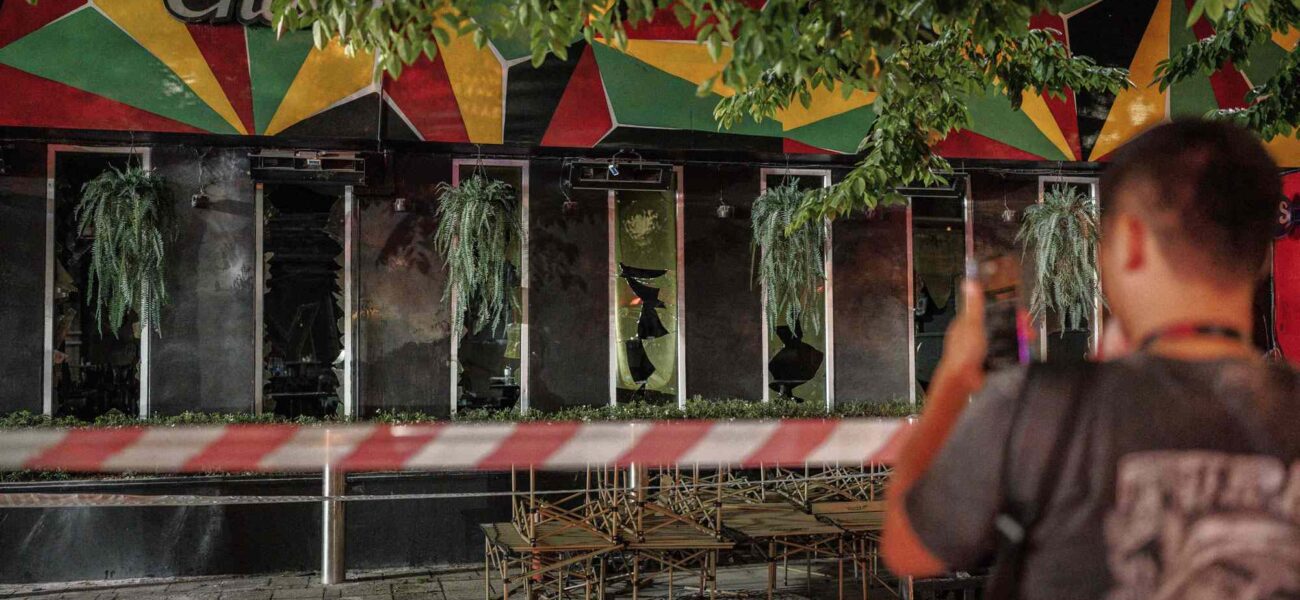
The ‘Flamingo Feather,’ a place known more for its clandestine card games and cheap pours than its charm, stood on a narrow lane in San Isidro, a district that hums with life, and occasionally, with unregulated chaos. Monday night—or more accurately, early Tuesday morning—it simply became an inferno. Because, for all the talk of modernization, it was built on a foundation of structural compromises and, many allege, graft.
Emergency services, they’ve said, arrived quickly. But what could they do? The building, an architectural nightmare of jerry-rigged extensions — and barred windows, had trapped its clientele. They couldn’t get out. We’ve seen these scenes before, haven’t we? It’s a cruel loop. The footage, grainy and terrifying, captures the last, desperate moments: shadowy figures clawing at exits, engulfed in a hellish glow, then tumbling into the street—if they were lucky enough to reach one.
Mayor Ricardo Vargas, usually one for verbose pronouncements, seemed visibly shaken at a hastily convened press conference. “This isn’t just an accident; it’s a tragedy born of negligence, an utter betrayal of public trust,” he mumbled, his voice tight. “We’ll tear down every illegally modified structure in this city. Every single one. There must be accountability.” A nice sentiment. But history shows, accountability’s often a scarce commodity around here.
But the flames didn’t just consume a ramshackle bar; they scorched deeper. This is about policy failure. It’s about inspector inaction, about building codes treated as suggestions rather than strictures. For years, critics have warned about the perilous state of public buildings, especially those operating under the radar—establishments catering to the working class, often including a significant population of migrant workers from across South Asia and the Muslim world, people who often don’t have the leverage to demand safer conditions. They simply need the work, the camaraderie, the momentary escape a place like the Flamingo Feather might have offered.
And so, we get a statistic: according to a 2022 report by the International Labor Organization, nearly 60% of all fire-related workplace deaths in developing economies occur in unregistered or informally regulated establishments. Just think about that. It’s not an anomaly; it’s a pattern. A deadly, grinding pattern of neglect where the poorest pay the highest price. People just trying to get by, y’know?
📄 POLICY WIRE WHITEPAPER PUBLISHED: PAKISTAN'S NATIONAL SECURITY POLICY PRIORITIES
👉 READ BY CLICKING HEREA national official, Minister of Urban Development, Dr. Anika Sharma, weighed in cautiously. “While local regulations are key, there’s a broader systemic issue with informal enterprises evading national safety standards. We’ve offered support to municipalities repeatedly,” she stated, a subtle deflection in her tone. It’s easy to point fingers, of course, when the bodies are still cooling.
What This Means
This inferno isn’t merely a headline about a horrible incident; it’s a raw indictment. It peels back the layers of a regulatory system that’s either asleep at the wheel or actively complicit. Economically, San Isidro’s local government now faces not only the human cost but the very real expense of heightened inspections, potential demolition of non-compliant structures—which could stall local commerce—and the blow to its already fragile international reputation. It’s a mess.
Politically, Mayor Vargas’s promise to crack down might win him some immediate goodwill, but actual, sustained reform is another beast entirely. It means challenging deep-seated corruption, it means upsetting local power brokers who benefit from the status quo. His administration will have to prove it’s not just a knee-jerk reaction but a genuine, long-term commitment. Anything less would render his promises hollow, simply another footnote in a tragic saga. This blaze, in its brutal efficiency, has revealed how a minor misstep ignites major policy questions. And the fallout, unfortunately, will linger far longer than the smell of smoke.