

As Sacaton Fire Smolders, New Mexico Confronts a Bleaker Future, Inch by Burnt Inch
POLICY WIRE — GLENWOOD, N.M. — The stench of burned pine, thick and acrid, still hangs heavy in the thin air above the Mogollon Mountains. It’s a scent that tells a story—not just of acres consumed,...

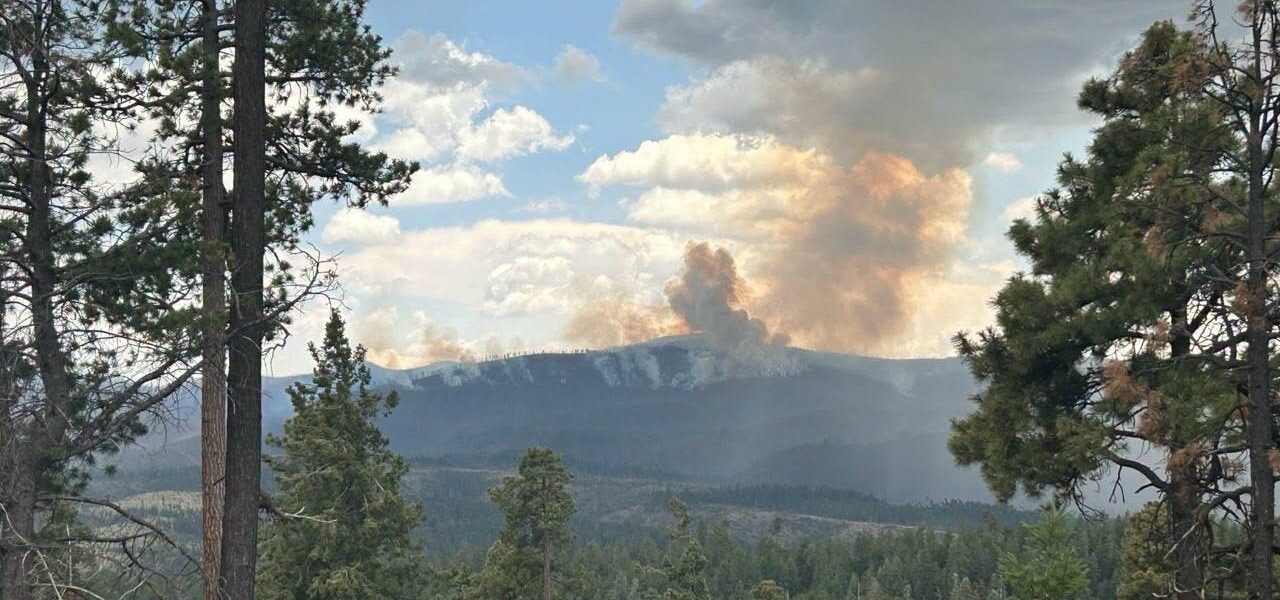
POLICY WIRE — GLENWOOD, N.M. — The stench of burned pine, thick and acrid, still hangs heavy in the thin air above the Mogollon Mountains. It’s a scent that tells a story—not just of acres consumed, but of exhausted crews, political platitudes, and a landscape quietly giving up its fight. For weeks, the Sacaton Fire has etched its furious mark across New Mexico’s Gila National Forest, pushing closer to ten thousand scorched acres even as official reports tout progress. Progress, they say. But what does that really mean when the earth itself seems to be expiring?
It’s Sunday, — and the figures are in: an estimated 9,848 acres now, up from the last tally. Yet, the word from the front lines — that ever-optimistic spin — is that containment has nudged past the halfway mark, now sitting at 52 percent. Firefighters are beginning to dismantle structure protection around the thankfully evacuated Willow Creek subdivision. And they’re hauling out “slash” (the leftovers from firebreaks, basically), chipping and transporting debris. Cleanup, then. A quiet admission of the permanence of what once was.
And yes, nature herself, in a rare moment of mercy, decided to play a hand. Wetting rain—half an inch in places like Turkeyfeather Mountain, where the fire had made its most recent aggressive advances—helped damp down the east flank. The west got a tenth, a mere spit in the face of such ferocity. Managers were even “expecting more moisture” today. It’s a temporary reprieve, of course, a momentary pause in what many now see as an endless, accelerating cycle.
But make no mistake, the optimism is a thin veneer. This fire, sparked back on June 21, is just one more grim chapter in a long-running, increasingly disastrous series. The closure of Bursum Road/NM-159 east of Mogollon to Willow Creek isn’t just an inconvenience; it’s a scar on the regional infrastructure. This isn’t merely about putting out a fire anymore; it’s about coming to grips with a changed normal.
“What we’re witnessing here isn’t just a fire; it’s a profound transformation of our ecosystem, fueled by climate shifts we can no longer ignore,” stated New Mexico Governor Michelle Lujan Grisham in a recent address, her voice tinged with an obvious weariness. “We’re throwing everything we have at these blazes, but the truth is, we’re managing symptoms, not the illness itself. The federal government has got to recognize the existential threat facing our Western states and step up in a major way.” It’s a sentiment that rings increasingly hollow the more these seasons drag on, year after unrelenting year. Resources get poured in, communities get evacuated, — and the cycle continues.
Mike Williams, the U.S. Forest Service’s Incident Commander on the ground, offered a more operational, yet equally stark, perspective. “You talk about containment percentages, — and yes, they’re important for public morale. But out here, every tree, every acre, represents a micro-ecosystem we might not ever get back. The cumulative stress on the landscape? It’s immense. And our people? They’re spent.” One hundred and sixty-one personnel on the job, Sunday’s numbers confirmed—a mere fraction of what feels necessary, a human wave against an inferno often larger than cities.
📄 POLICY WIRE WHITEPAPER PUBLISHED: PAKISTAN'S NATIONAL SECURITY POLICY PRIORITIES
👉 READ BY CLICKING HEREWhat This Means
This endless campaign against a burning Western frontier isn’t just a regional headache; it’s a microcosm of a larger, global environmental and governance challenge. Politically, the sheer cost of wildfire suppression—which for federal agencies alone exceeded an astounding $4.4 billion in 2021, according to the Congressional Research Service—is bending budgets and diverting funds from preventative measures or other infrastructure needs. It forces a reactive posture that seems destined to fail, repeatedly. Economically, communities like those around Glenwood face a devastating double-whammy: the immediate destruction of property and livelihoods, coupled with the slow, almost imperceptible erosion of tourism and the outdoor recreation industries that sustain them.
But the ramifications ripple far beyond state lines, highlighting a disquieting global trend. Consider how nations grappling with severe climate impacts or resource scarcity in the developing world often find their foundational structures buckling. In places like Pakistan’s Balochistan province, similar environmental stresses, albeit in different forms like drought or flash floods, exacerbate pre-existing political tensions and complicate governance, often drawing military attention away from other priorities. Indeed, Islamabad’s recent Operation Shaban, nominally a security initiative, implicitly acknowledges the region’s broader challenges, which are inextricably tied to resource control and environmental degradation. The scale might differ, but the underlying mechanisms of nature exposing systemic weaknesses are alarmingly similar, whether it’s an American forest ablaze or a parched landscape across South Asia. Because when the land burns, or simply dries up, political friction tends to ignite right along with it.
We’re moving beyond simple fire seasons, moving into an era of perpetual crisis. And the policymakers in Washington, or even Santa Fe, aren’t just battling blazes; they’re trying to contain the future. It’s an uphill struggle, one where the victories are often temporary and the losses, like the charred skeleton of the Gila National Forest, appear increasingly permanent. Even in the wilderness, politics are always present. Just look at how climate change reshapes boundaries, as discussed in the context of Quebec’s Wilderness: A Political Chessboard.