

Germany’s Drowning Crisis: Beyond Summer Heat, a Chill in the Integration Effort
POLICY WIRE — Berlin, Germany — The shimmering heatwave that recently broiled central Europe wasn’t just melting asphalt; it seems it melted something else, too: decades of incremental progress...

POLICY WIRE — Berlin, Germany — The shimmering heatwave that recently broiled central Europe wasn’t just melting asphalt; it seems it melted something else, too: decades of incremental progress in Germany’s public safety — or at least, the perception of it. Summer’s siren call to cool off in local waterways, always present, took a distinctly grimmer turn this past June. We’re looking at something more complicated than just a spike in temperatures, folks. This isn’t just about hot days; it’s about a society grappling with underlying fissures, an evolving climate, and — maybe most tellingly — the slow, grinding machinery of integration that simply can’t keep pace with its own demands.
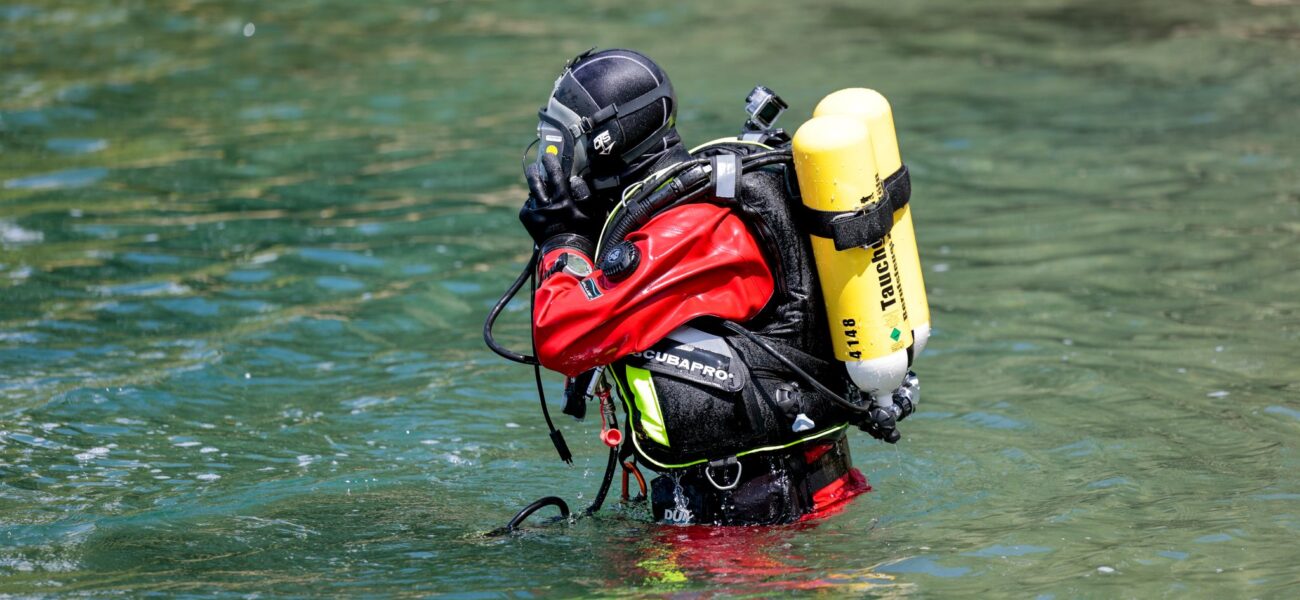
It’s easy, almost reflexive, to blame the sun, isn’t it? Long, sweltering days drive everyone to the nearest cool embrace of a lake or river. But numbers, stubborn things that they’re, tell a more nuanced, — and frankly, a more unsettling tale. The raw fact: Germany registered its highest June drowning count in 23 years, with 77 recorded fatalities. This figure, reported by the German Life Saving Association (DLRG) in their provisional June assessment, points to a distressing uptick, a sharp reversal from what many had assumed was a trajectory of declining incidents through sustained public awareness campaigns. [QUOTE_PLACEHOLDER]
And so, we’re left to sift through the aftermath. But for how many of these tragedies could proactive measures have made a difference? That’s the bitter question lingering over public pools that are too often understaffed or lakes that are, let’s be honest, unpatrolled. There’s a palpable disconnect, an observable chasm, between public health guidance and the realities of leisure for many urban and recently arrived communities. It’s a gap that’s got to be shrinking, not expanding.
But consider this, for a moment, through a different lens. What if this isn’t just a German problem? Germany, like much of Europe, is in a profound demographic recalibration, with large-scale immigration from regions like the Middle East and South Asia becoming a settled fact. Many arriving individuals — adults and children alike — simply haven’t had the same opportunities to learn to swim or understand the particular dangers of open, often cold and deep, European waterways compared to, say, the more managed beach culture of their homelands or the generally shallower, warmer rivers of many South Asian nations.
In Pakistan, for instance, a 2017 study by the National Institute of Health, quoted by Policy Wire, found that child drowning is the second leading cause of accidental death in rural areas, often linked to open-water hazards like irrigation channels and ponds, yet formal swimming instruction and regulated aquatic environments are far less ubiquitous than in wealthy European nations. It’s a very different hydrological literacy being acquired there. And that’s just one data point, illustrating a broader, often unacknowledged cultural — and infrastructural gap.
Because the issues here go beyond individual responsibility. They touch on state capacity, public funding priorities, and how well new populations are genuinely integrated into safety nets. Drowning prevention isn’t just about warning signs; it’s about accessible, affordable swimming lessons. It’s about a cultural osmosis, where the unspoken rules of a new land become internalized.
📄 POLICY WIRE WHITEPAPER PUBLISHED: PAKISTAN'S NATIONAL SECURITY POLICY PRIORITIES
👉 READ BY CLICKING HEREYou can’t just tell someone who’s grown up around calm, shallow river systems that an inland lake here might have powerful undertows or sudden, chilling drops in temperature. It requires sustained, culturally sensitive outreach. The DLRG acknowledges this implicitly, often issuing appeals to immigrant communities, but their resources are stretched thinner than a worn swimsuit elastic.
And let’s not ignore the broader climate conversation, the one that makes these extreme heat events, which trigger dangerous behaviors, increasingly commonplace. It’s a vicious feedback loop. Climate change fuels heatwaves. Heatwaves drive people to unpatrolled waters. A lack of structural support for water safety in diverse communities leads to tragedy. Rinse — and repeat, unless something systemic shifts.
What This Means
The elevated drowning toll in Germany isn’t merely a regrettable statistic; it’s a canary in the coal mine for several critical policy fronts. Economically, a higher fatality rate affects public health resources, insurance costs, and ultimately, labor force participation. Socially, it highlights the challenges of effective immigrant integration—not just in terms of language or employment, but in understanding local environmental hazards and accessing fundamental safety skills like swimming. Political leaders, frequently focused on grand declarations, often neglect the granular realities of public welfare and community assimilation. This string of summer tragedies screams for a reevaluation of federal and municipal budgets allocated to public safety initiatives, especially those targeting culturally diverse populations and under-resourced public facilities.
It means Germany — and by extension, Europe — can’t afford to treat integration as a solely economic or linguistic challenge. It’s a holistic endeavor, demanding attention to everything from housing to recreation, from job training to basic survival skills. Neglecting these details, as the June figures chillingly suggest, comes at a devastating human cost. We’re talking about lives, of course. But also about the erosion of trust in public institutions, which is a far more dangerous form of systemic flooding than any mere river could cause. The quiet tragedies playing out in German rivers and lakes should serve as a stark reminder: societal resilience is only as strong as its weakest, most overlooked link.