

Octagon’s Bleary-Eyed Epilogue: The Raw Business of UFC 329’s Late-Night Media Ritual
POLICY WIRE — Las Vegas, Nevada — The desert floor of Las Vegas hums with a different sort of current once the main event’s roar fades, an electric hum that has little to do with the clashing of...

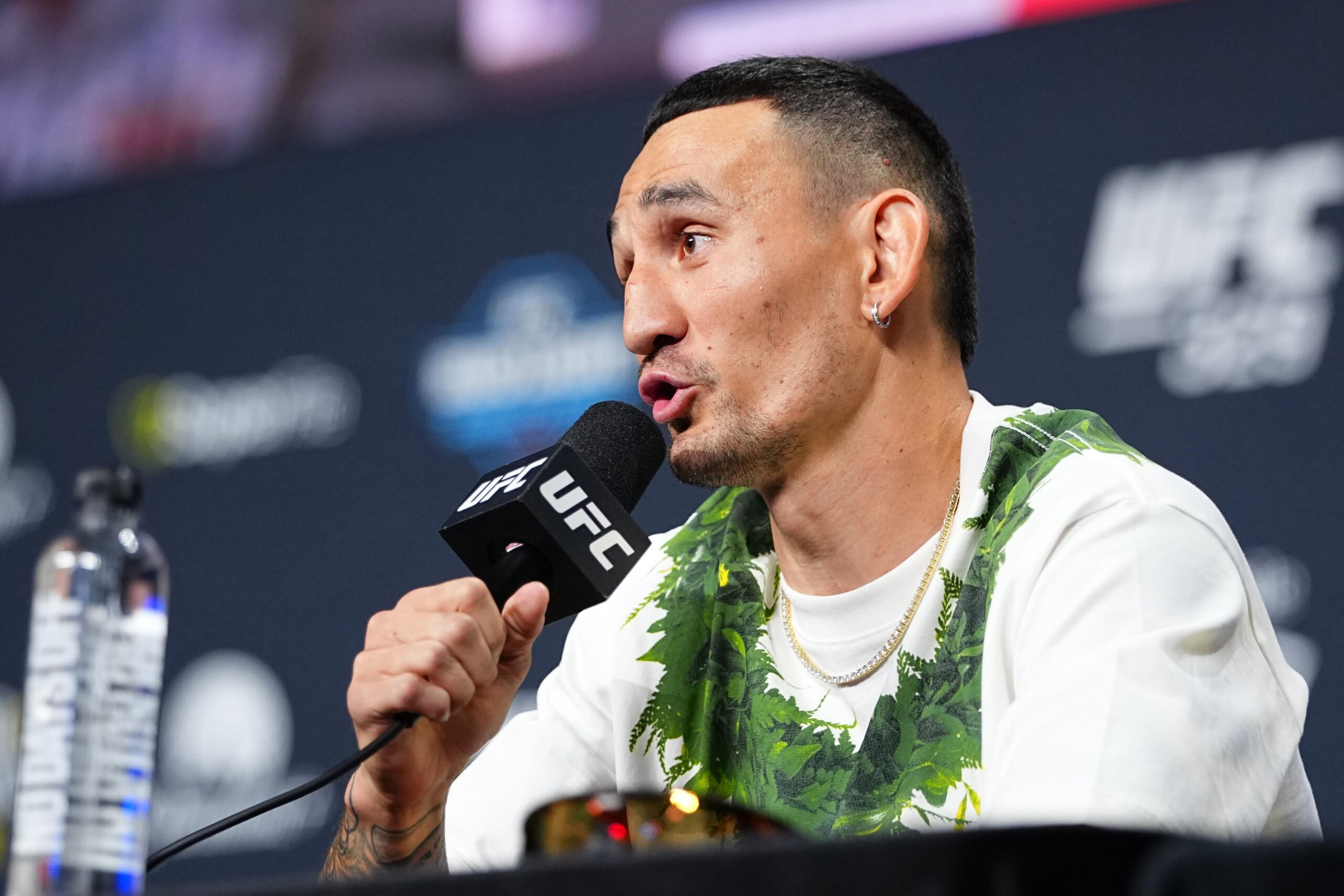
POLICY WIRE — Las Vegas, Nevada — The desert floor of Las Vegas hums with a different sort of current once the main event’s roar fades, an electric hum that has little to do with the clashing of gladiatorial titans. Long after the last gasp of adrenaline dissipates from the T-Mobile Arena—and often well past midnight on the East Coast—the real work begins. It’s not just about who won or lost, it’s about framing the narrative, patching up the damage, and—most importantly—setting the stage for the next financial windfall. Max Holloway speaks to media during the UFC 329 press conference, a familiar scene in this nocturnal, high-stakes ballet. That particular July 09, 2026, was no different.
It’s a peculiar ritual, isn’t it? The furious kinetic energy of a thousand-dollar kick to the head replaced by the stilted politeness of a media scrum. But here, in these unglamorous late hours, is where fortunes are shaped, where the grit meets the grindstone of corporate sports. The fighters, often bruised, battered, and still reeling from the violent art they’ve just performed, face a battery of questions. Their responses, however mundane, carry weight; they inform future odds, build hype, and even alter career trajectories. This isn’t simply an interview; it’s a critical piece of the brand’s infrastructure, connecting the raw spectacle to the wider, hungrier audience that demands a story.
And because the sheer financial outlay on these events demands every ounce of engagement, no stone—or microphone—is left unturned. This is why the UFC 329 post-fight press conference is the last piece of business to take care of after the action is over in the Octagon. Officials, it seems, can’t let the sweat dry before the soundbites are secured. It’s less a post-mortem, more a pre-announcement of what’s coming next—be it bonuses, grudges, or the faint whiff of another multi-million dollar showdown. You’ve gotta keep the machine greased, right?
The global audience, by the way, factors heavily into this equation. Think of a die-hard fight fan in Lahore, Pakistan. That 1 a.m. ET start time translates to roughly 10 a.m. PST, right as many are starting their day, perhaps looking for the very footage now made available. Or maybe they’re just checking the morning headlines. The immediate dissemination of press conference content, often broadcast via services like live video above at MMAFighting.com, means that the Octagon’s drama plays out asynchronously across time zones, sustaining interest and keeping the global betting markets churning. It’s not merely North America watching; it’s everyone, from Casablanca to Karachi, tuning in—even if it means a very different temporal experience.
UFC officials will announce the winners of the “Fight of the Night” and the “Performance of the Night” bonuses, giving immediate, tangible rewards to those who delivered the most aesthetically pleasing (or brutal) performances. These aren’t just feel-good moments. These are cash infusions that resonate not just with the fighters, but with their trainers, their families, and even their national sports programs. Winning fighters will meet the media after their fights, providing those raw, unrehearsed—or perhaps, carefully rehearsed—insights into their victories or defeats.
But the true puppeteer of this spectacle, UFC President Dana White, will also wrap up the event. His ‘scrum with the media’ isn’t just idle chat. It’s a strategic performance, an opportunity to discuss star’s performances, address controversies, and possibly talk about what’s next on the UFC calendar. It’s part master storyteller, part shrewd businessman. He’s selling fights, always. His words carry significant weight, impacting stock prices, pay-per-view buys, and the general buzz around a sport that some critics still dismiss as mere barbarity. But they aren’t watching the revenue stream, are they?
It’s fascinating, when you think about it, how carefully calibrated this rough-and-tumble sport actually is. Every punch, every clinch, every post-fight quote, it all serves a larger commercial ecosystem. The event takes place about 30 minutes after the main event ends, meaning it will start around 1 a.m. ET. For media — and fight personnel, that’s just another graveyard shift. But for the business of combat sports, it’s peak content production. A significant portion of online sports content, in fact—some analyses suggest upwards of 35% of all sports-related articles and videos on a fight week—derives directly from these immediate post-event proceedings and press conferences. It’s a goldmine of quick turnaround stories, ready to feed the insatiable appetite of the internet, before anyone can even get a full night’s sleep.
What This Means
The seemingly trivial act of holding a late-night press conference carries considerable political and economic heft, especially in an era of globalized sports entertainment. It’s a critical hinge point where the raw, physical spectacle of combat transitions into packaged narrative, ready for worldwide consumption. Economically, this immediate content creation drives engagement, fuels betting markets that now span continents—yes, even places like the burgeoning betting scenes in certain Gulf states or within online communities across Southeast Asia, where regulations are often a grey area—and perpetuates the lifecycle of fighter brands. It’s where nascent rivalries get their first verbal sparring, where next season’s blockbuster fights are first hinted at, all long before formal announcements.
Politically, the imagery and statements from these events subtly shape perceptions of a sport that frequently grapples with legitimacy concerns. A dignified, articulate fighter can transform public opinion. A charismatic president, even one known for his bluntness like Dana White, maintains control of the narrative, steering public discourse away from critiques of violence towards the competitive spirit and athletic prowess. This constant production of immediate, high-value media content acts as a bulwark against stagnation, ensuring that even moments after a definitive victory or defeat, the conversation—and the revenue—continues flowing. It isn’t just about sports anymore; it’s a global media enterprise, constantly optimizing its delivery, even when it demands sleepless nights from its participants. You can’t just throw a bunch of people in a cage, you know? There’s an art to the whole brutal enterprise.