


Argentina’s Economic Play: How a Football Star’s Boot Kicks More Than Just a Ball
POLICY WIRE — Kansas City, USA — For the casual observer, it was just another quarterfinal, another step in Argentina’s march, or potential stumble, toward a World Cup title. Lionel...

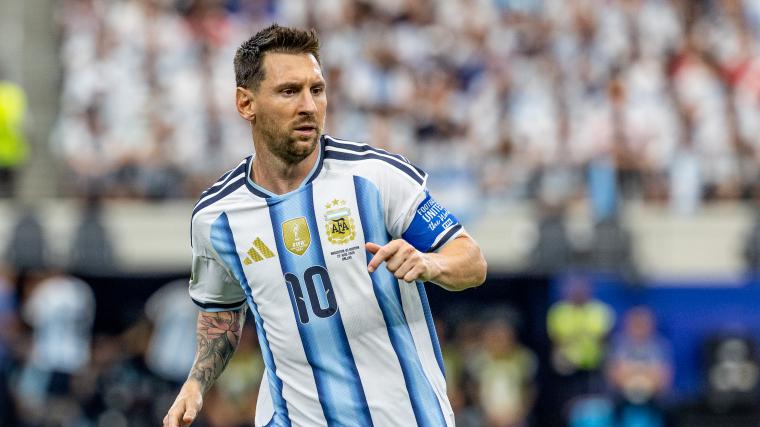
POLICY WIRE — Kansas City, USA — For the casual observer, it was just another quarterfinal, another step in Argentina’s march, or potential stumble, toward a World Cup title. Lionel Messi, the pint-sized maestro, once again danced – mostly – through opposition lines. But beneath the roar of the crowd in Kansas City, the carefully manicured turf, and the multi-million dollar sponsorships, something far more substantial was at play than a mere sporting contest. This wasn’t just football; it was Argentina’s very solvency on a global stage, personified in one man’s elegant yet pragmatic stride. Messi, it seems, isn’t just carrying a team; he’s carrying a nation’s anxious aspirations.
No, he didn’t score today against a resilient Switzerland squad – not in regulation, anyway – though his deft corner kick, precise as a diplomat’s handshake, set up Alexis Mac Allister’s opening header. He logged 45 minutes with a respectable 85% pass completion rate, contributing an assist and generally conducting the flow of a match that ended 1-0 at halftime in Argentina’s favor. It was efficient, almost bureaucratic, football. The sort of performance that, while lacking fireworks, sends a clear message: business first. For a country perpetually teetering on the edge of economic crises, the business of heroism — of global adoration — isn’t merely lucrative; it’s a strategic national asset.
And what an asset it’s. The global sports market, a behemoth generating hundreds of billions annually, makes Messi an economic linchpin. We’re talking more than just merchandise — and TV rights here; we’re talking about brand Argentina. Tourism, foreign investment, international soft power – all hinge, to an alarming degree, on the performance of a single athlete. Because when Messi plays, the world watches. We saw it in the last World Cup, — and we’re seeing it now.
Consider the remarks of Argentine Minister of Economy, Luis Caputo, albeit prior to this particular match. “Every Lionel Messi goal isn’t just three points for the team; it’s a burst of positive sentiment, a wave of hope that resonates through our financial markets,” he once dryly observed. “You can’t quantify patriotic fervor, but its effect on investor confidence? That’s real, believe me.” And he’s not wrong. That kind of global spotlight, that collective gasp from Jakarta to Jeddah when he steps onto the pitch, is PR gold a cash-strapped government could never afford.
His counterpart in Bern, Swiss Minister of Sport Viola Amherd, would probably tell you something equally pragmatic, if a bit more reserved. “Our team represents precision, discipline. Whether we win or lose, it reflects our values on the world stage. It’s about participation, about healthy competition, not – strictly speaking – about our GDP,” she’s been quoted saying. One nation selling hope — and a hero; the other selling stability and a good game. Both understand the international optics of these grand spectacles.
This widespread devotion isn’t limited to traditional footballing strongholds. Walk through the bustling streets of Karachi or Dhaka — a world away from Argentina’s pampas — and you’ll see Messi jerseys outnumbering local club kits. For millions across the Muslim world and South Asia, places deeply connected to global diaspora and digital currents, Messi is an almost spiritual figure, a symbol of impossible achievement against the odds. His games are shared experiences, sparking conversations that transcend cultural and linguistic barriers, proving football’s uncanny ability to knit together disparate communities. It’s not just a sport; it’s a global communal ritual, ripe for commercial — and political exploitation.
This match, a relatively quiet one for the Golden Boot contender in terms of personal scoring heroics, didn’t diminish his colossal influence. After all, the stat sheet still shows an assist, an architect’s touch – precisely what a captain does. It isn’t just about goals; it’s about control. And his team, the defending champions, moves on, propelled by that single, early goal. Argentina stands now on the precipice of another semi-final appearance, a stage upon which narratives – both sporting and economic – are spun for billions.
What This Means
The quarter-final victory isn’t just a sporting triumph for Argentina; it’s an economic sigh of relief. Each progression in the World Cup means sustained global visibility, more tourists eyeing future trips to Buenos Aires, and crucially, an influx of remittances and media revenue. Argentina’s economy, chronically volatile, receives an intangible yet potent boost from this prolonged attention. Think about it: a sustained presence in the global sports limelight offers soft power projection that even the most meticulously planned diplomatic initiatives often fail to achieve. Because if a nation’s top footballer isn’t firing on all cylinders, doesn’t it make you wonder about the gears turning in its economy? It’s an uncomfortable thought, but one that subtly underlies much of the narrative. The World Cup, particularly when featuring such monumental figures as Messi, ceases to be merely entertainment. It becomes a proxy war for national prestige and, however implicitly, financial health.