
Nevada’s Gilded Cages: The Economic and Political Power Plays Behind Las Vegas Combat
POLICY WIRE — LAS VEGAS, NV — Another weekend, another gladiatorial spectacle under the shimmering lights of this city’s gilded cage, T-Mobile Arena. We’re not just talking about another fight card;...

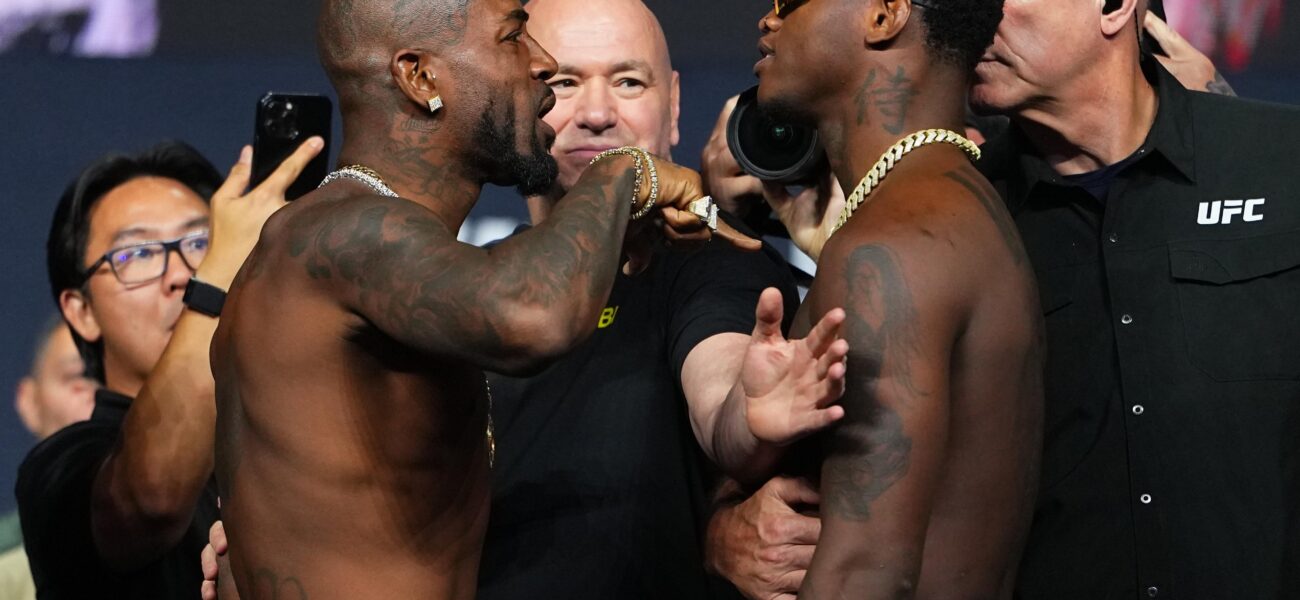
POLICY WIRE — LAS VEGAS, NV — Another weekend, another gladiatorial spectacle under the shimmering lights of this city’s gilded cage, T-Mobile Arena. We’re not just talking about another fight card; we’re examining the relentless, often unvarnished, machinery of Las Vegas’s tourism-entertainment complex. Because, make no mistake, every clenched fist and sweat-drenched canvas represents a torrent of dollars, tax revenues, and intricate policy negotiations. This isn’t just sport; it’s a precisely orchestrated economic engine, honed to a savage edge. A main card lightweight bout between King Green and Terrance McKinney might seem like a mere footnote to some, but for the local economy, it’s another valuable piece of the perpetual motion machine.
They rolled out the usual pageantry, didn’t they? Two men, veteran King Green (35-17, 1 NC) and the explosive Terrance McKinney (18-8), facing off, all bluster and controlled aggression. Green, the cage-worn pragmatist, a fighter who’s seen it all and recently started stacking wins like poker chips against opponents half his road mileage. McKinney, though, he’s pure chaos. He’s a human tornado – an eight-for-eight first-round finish rate in the UFC says plenty, but it’s also a double-edged sword, seeing as his recent losses ended just as quickly. The sheer unpredictability of McKinney’s approach, always hunting the finish, means you’re almost guaranteed a short, violent affair. It keeps folks glued to screens and, crucially, to stadium seats here in Nevada, paying the freight.
But the true policy implications stretch beyond the arena’s footprint. They extend to how jurisdictions manage high-stakes entertainment, how athlete welfare is balanced against monstrous revenue, and how these spectacles shape a city’s—and even a nation’s—global image. Consider the remarks of Nevada Governor Joe Lombardo. “These events, frankly, keep our state’s lights on,” Lombardo noted dryly to local press earlier this year. “It isn’t just ticket sales; it’s hotel occupancy, restaurant patronage, the ride-share economy. We regulate it tightly, but we also acknowledge its essential role.” And, of course, they rake in the cash from it all.
The echoes of such fierce contests now reverberate far beyond Nevada’s neon-drenched confines, even captivating audiences across the subcontinent and the broader Muslim world, a region increasingly — and conspicuously — eyeing the global sports market as a soft power play. It’s not just about what happens in the octagon, it’s the global broadcast rights, the massive endorsement deals, and the proliferation of grassroots gyms even in places like Pakistan, where youth once dreamed almost exclusively of cricket fame. But times change, don’t they?
📄 POLICY WIRE WHITEPAPER PUBLISHED: PAKISTAN'S NATIONAL SECURITY POLICY PRIORITIES
👉 READ BY CLICKING HEREThe global appeal of mixed martial arts isn’t accidental; it’s meticulously cultivated. And because of this widespread, almost evangelical, push, events like UFC 329 garner international eyes and significant investment. Think about it: reports indicate the global mixed martial arts market hit over $2.3 billion in 2022, per Statista data, a figure that continues its relentless upward trajectory. This isn’t a cottage industry anymore. It’s a full-blown behemoth, demanding attention from policymakers who must grapple with its various economic and social impacts.
One senior official with the International Combat Sports Federation, speaking on background during a recent regulatory conference, put it rather succinctly. “The raw, unfiltered competitive spirit, it translates across every language, every culture. You don’t need an interpreter to understand a knockout. And that makes it a powerful export for us, culturally — and economically.” It’s hard to argue with that logic, isn’t it? That visceral reaction is precisely what generates those colossal viewership numbers and, you guessed it, those billions of dollars.
What This Means
This event, much like countless others staged annually in jurisdictions vying for entertainment dollars, highlights the delicate balance states must strike between regulating a high-impact, potentially dangerous sport and capitalizing on its immense economic yield. We’re witnessing an evolution where sports entities aren’t merely content with being athletic competitions; they’re integral components of national and regional economies, generating jobs, attracting tourism, and shaping international perceptions. The future isn’t just about who lands the next punch; it’s about which jurisdiction best leverages these spectacles to their financial and political advantage. States that ignore the evolving landscape of global sport as a significant economic driver, well, they’ll find themselves on the wrong side of the scorecards, just like a fighter who fails to adapt. It’s all about the margins now, — and the margins in this business are absolutely staggering.
📖 GET YOUR FREE COPY NOW OF POLICY WIRE DIGITAL MAGAZINE JULY 2026 EDITION
👉 READ & DOWNLOAD FREE MAGAZINE